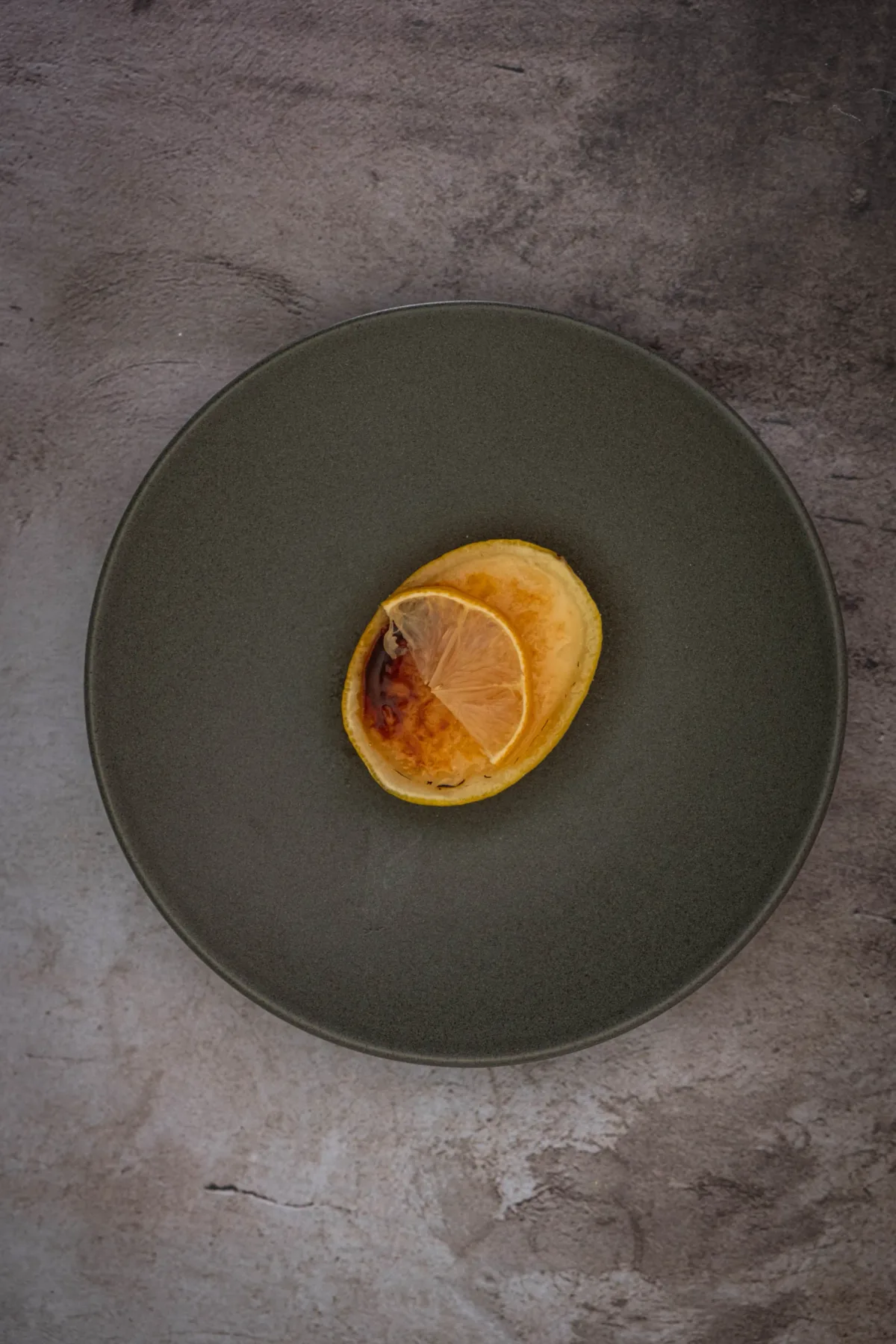
Lemon Posset Brulee (Easy 3-Ingredient No-Bake Dessert)
A 3-ingredient no-bake lemon posset served in lemon shells with a caramelized brulee crust. Effortlessly elegant.
Lemon posset brulee is the dessert that looks like you spent hours in the kitchen but takes barely 15 minutes of active work. Three core ingredients, cream, sugar, and lemon juice, transform into a silky, set custard served inside hollowed lemon shells with a shattering brulee crust on top. No eggs, no gelatin, no baking. Just pure citrus elegance.
What Makes a Posset Different
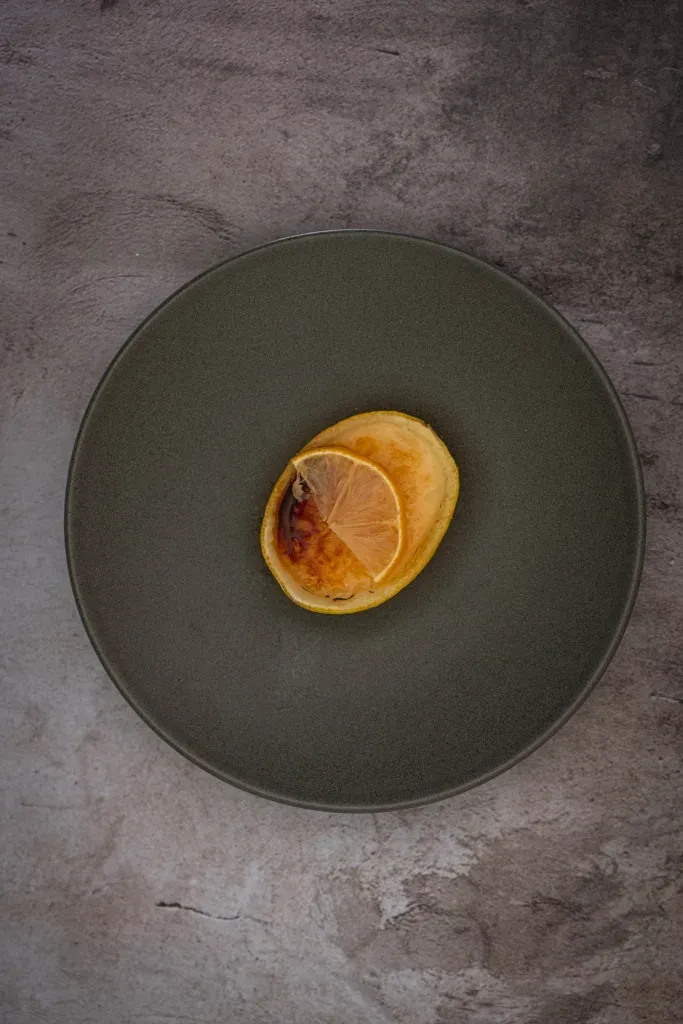
A posset is a traditional British dessert dating back to medieval England, where it was originally made with curdled milk and ale. The modern version is far more refined. Heavy cream is heated with sugar until boiling, then lemon juice is stirred in. The citric acid reacts with the proteins in the cream, causing it to thicken and set into a texture somewhere between a mousse and a panna cotta.
The beauty of a posset is its simplicity. There are no temperamental egg yolks to worry about, no water baths, and no precise temperature monitoring. If you can boil cream and squeeze lemons, you can make a flawless posset every single time. It is the most forgiving dessert technique in existence.
The Science Behind the Set
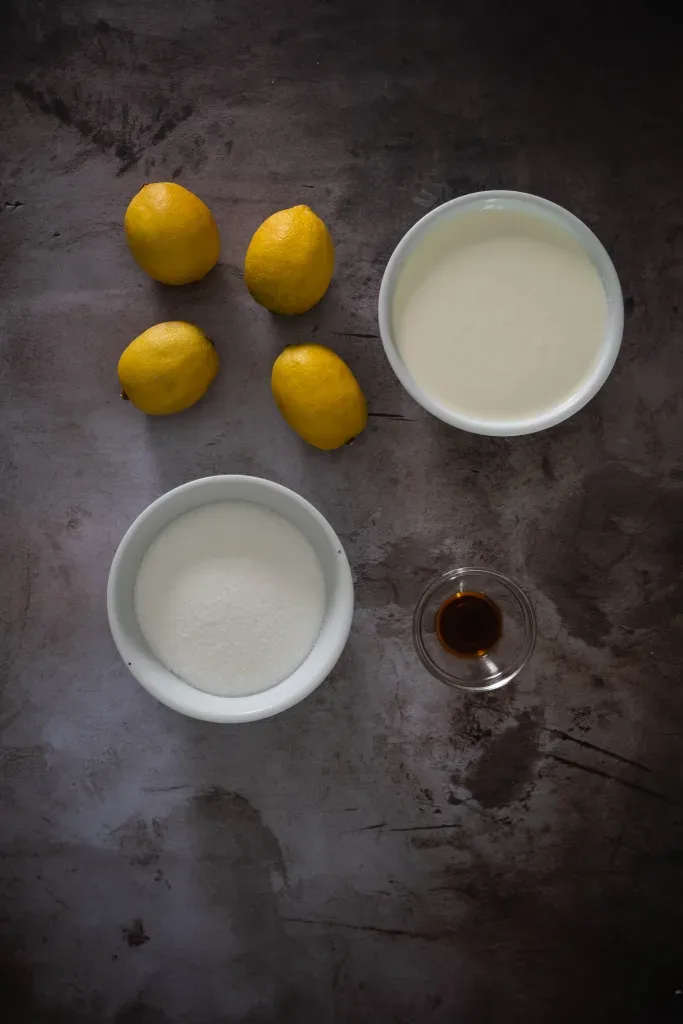
Understanding why a posset works helps you nail it consistently. When cream reaches a boil, the proteins begin to denature and unfold. Adding acid at this stage causes those unfolded proteins to bond with one another, forming a network that traps the fat and liquid in place. The result is a stable, spoonable set that holds its shape without any gelling agent.
The ratio matters. Six tablespoons of lemon juice to two cups of heavy cream is the sweet spot. Too little acid and the posset stays liquid. Too much and it can become grainy or overly tart. Stick to the measurements and you will get a perfectly smooth, creamy set with a bright citrus finish.
Preparing the Lemon Shell Vessels
Serving posset in lemon shells is a presentation choice that transforms a simple dessert into a conversation piece. Slice each lemon lengthwise rather than crosswise. This gives you a more stable, boat-shaped vessel that holds a generous portion of posset.
Use a sharp spoon or grapefruit spoon to scoop out every bit of pulp and membrane. Work carefully to avoid puncturing the rind, as even a small hole will cause the liquid posset to leak before it sets. A cupcake tin is the perfect holder. Each cavity cradles a lemon half upright, preventing any wobbling or tipping during the chill time.
From four lemons, you get eight halves but only need six tablespoons of juice. This gives you plenty of juice with some left over. If your lemons are particularly small, have an extra one on hand to ensure you reach the full six tablespoons.
The Brulee Finish: From Simple to Spectacular
A lemon posset on its own is a lovely, understated dessert. Adding a brulee crust elevates it to something truly special. The contrast between the cold, creamy posset and the warm, crackling caramelized sugar is pure textural magic. Your spoon breaks through the glassy crust and sinks into the soft citrus cream beneath.
Sprinkle a thin, even layer of granulated sugar over the surface of each chilled posset. Evenness is the key to a uniform brulee. Use a kitchen torch held about two inches from the surface, moving in slow, steady circles. The sugar will bubble, darken, and then harden into amber glass within seconds.
After torching, a 10 to 15 minute rest in the refrigerator sets the crust firmly while keeping the posset cold. Serve within 30 minutes of torching for the best contrast between the hard crust and soft filling. Wait too long and the moisture from the cream softens the sugar.
Tips for a Perfect Posset Every Time
Use heavy whipping cream. This is non-negotiable. Heavy cream with at least 35% fat content provides the protein and fat needed for a proper set. Light cream, half-and-half, or coconut cream will not work as substitutes in this recipe.
Simmer the cream for a full two minutes. This brief reduction concentrates the cream slightly and ensures the proteins are fully denatured before the acid goes in. Rushing this step leads to a softer, less stable set.
Stir the lemon juice gently. Aggressive whisking incorporates air bubbles that mar the smooth surface of the finished posset. A gentle fold with a spatula is all you need. The acid does the work on its own.
Cool before pouring. Letting the mixture rest for 15 minutes before pouring into the lemon shells prevents the hot liquid from cooking the lemon rind and releasing bitter oils. It also gives the thickening process a head start.
Make-Ahead Strategy for Entertaining
Lemon posset brulee is a dream dessert for dinner parties because nearly all the work happens well in advance. Make the posset and fill the lemon shells up to two days before your event. They sit happily in the refrigerator, covered with plastic wrap, developing an even firmer set over time.
The only last-minute task is the brulee step itself, which takes under five minutes for six servings. This means you can focus entirely on your main course and simply torch the sugar before bringing dessert to the table. Few desserts offer this combination of visual impact and minimal stress.
Serving Suggestions and Pairings
Place each bruleed lemon half on a small plate with a sprig of fresh mint or a few raspberries alongside. The colors pop beautifully against the golden crust and pale yellow lemon shell. A thin shortbread cookie or biscotti adds a complementary crunch.
For a complete menu, consider starting with a savory course like our cauliflower steak with romesco sauce or a hearty penne alla vodka before finishing with this bright, palate-cleansing dessert. The acidity of the lemon posset cuts through the richness of a heavy main course beautifully.
A Dessert That Punches Above Its Weight
Three ingredients. No oven. Fifteen minutes of hands-on time. And yet the result is a dessert that earns genuine gasps when it arrives at the table. The lemon shell presentation, the glassy brulee crust, and the impossibly smooth filling all suggest a level of skill and effort that far exceeds the reality. That is the magic of lemon posset brulee. It is the smartest dessert in your entire repertoire, elegant enough for a celebration and easy enough for a Tuesday night.
Lemon Posset Brulee (Easy 3-Ingredient No-Bake Dessert)
Instructions
Prepare the Lemons
-
Slice lemons lengthwise. Juice them and set aside 6 tablespoons of lemon juice.
-
Scoop out all pulp from lemon halves. Place cut-side up in a cupcake tin for stability.
Make the Posset
-
Combine cream and sugar in a saucepan. Heat over medium-high, stirring continuously until boiling. Simmer for 2 minutes.
-
Remove from heat. Add lemon juice and vanilla extract. Stir gently. Cool for 15 minutes.
Set and Chill
-
Pour cooled mixture into prepared lemon halves. Refrigerate for a minimum of 4 hours or overnight.
Brulee and Serve
-
Sprinkle 1-2 teaspoons of sugar evenly over each posset.
-
Use a kitchen torch to caramelize the sugar until golden and crackling.
-
Refrigerate 10-15 minutes to set the brulee crust, then serve.
Ingredients
Lemon Posset Brulee
Nutrition(Per serving)
325 kcal
Calories
22g
Fat
32g
Carbs
2g
Protein
Date Night Tips
Wine Pairing
A late-harvest Riesling or Sauternes for a luxurious pairing
Set the Mood
Soft French café music — Carla Bruni or Madeleine Peyroux
Plating Tip
Serve in clear glass ramekins with a fresh raspberry on top for a pop of color

Victor Vu
Victor creates date night recipes designed to impress. Based in Montreal, he believes great food brings people closer together.
About the author →Frequently Asked Questions
What is the difference between a posset and a panna cotta?
A posset sets using the acid from citrus juice reacting with heated cream, requiring no gelatin at all. Panna cotta relies on gelatin to achieve its set. Posset has a denser, silkier texture, while panna cotta is lighter and more wobbly. Both are no-bake, but posset is the simpler technique.
Can I make lemon posset without the brulee topping?
Yes, lemon posset is a complete dessert on its own without the brulee step. Simply chill until set and serve with fresh berries or a small shortbread cookie. The brulee crust adds a dramatic textural contrast, but the creamy lemon filling is delicious unadorned.
Why did my posset not set properly?
The most common cause is not enough lemon juice. The acid is what thickens the cream, so measure carefully. The cream must also reach a full boil and simmer for two minutes to reduce slightly before adding the juice. Using light cream instead of heavy whipping cream will also prevent a proper set.
Can I use ramekins instead of lemon shells?
Absolutely. Pour the posset into small ramekins or espresso cups for a more traditional presentation. You will get the same creamy set and the brulee step works identically. The lemon shells are purely for presentation and add a subtle extra citrus aroma.
How far in advance can I prepare lemon posset brulee?
Make the posset base up to two days ahead and keep it refrigerated. The brulee step should be done no more than 30 minutes before serving, as the caramelized sugar softens over time from the moisture in the cream. This makes it an ideal dinner party dessert with minimal last-minute work.
Do I need a kitchen torch for the brulee crust?
A kitchen torch gives the most even and controlled caramelization. If you do not own one, place the chilled possets under a very hot broiler for one to two minutes, watching constantly. The broiler method is less precise, so rotate the possets if your broiler has hot spots.