Polenta is one of those versatile dishes you reach for when you don’t want rice or pasta. It’s made from cornmeal and used across different countries. In Italy, it’s a northern staple served with everything from braised meats to seafood. In parts of Eastern Europe, similar cornmeal porridges like Romanian mămăligă are everyday comfort food. Latin American countries have their own versions with dishes like Colombian or Venezuelan arepas made from cornmeal. What makes polenta great is how it adapts to whatever you’re serving. It can be creamy and soft as a base for saucy dishes, or cooled and grilled for something with texture. It’s simple to make but needs attention while cooking to get it right.
Quick Overview
- Prep Time: 10 minutes
- Cook Time: 40 minutes
- Total Time: 50 minutes
- Servings: 6
- Difficulty: Easy
Why You’ll Love This Creamy Polenta
- Italian comfort food at its simplest—just five ingredients create incredible flavor
- Creamy and smooth texture like very soft mashed potatoes but with more body
- Subtle sweet corn flavor enhanced with butter and Parmigiano-Reggiano
- Super versatile—serve soft and creamy, or cool and grill for different textures
- Perfect base for braised meats, sautéed mushrooms, or ragu
- Restaurant-quality results that are forgiving for beginners
Ingrédients
Main Ingredients
- 4 cups water (1L) – The base liquid for cooking the polenta
- 1 teaspoon fine salt – Dissolves better than coarse salt in the water
- 1 cup polenta (170g) – Coarsely ground cornmeal; don’t use fine cornmeal or instant polenta
- 3 tablespoons butter (45g), divided – Use good quality butter; it’s one of only five ingredients
- ½ cup freshly grated Parmigiano-Reggiano cheese (50g), plus more for garnish – Fresh grated melts smoothly and has better flavor than pre-grated
Instructions
Step 1: Bring Water to a Boil
In a large, heavy-bottomed saucepan, bring the water and salt to a rolling boil over high heat. The heavy bottom prevents scorching during the long cooking process.
Step 2: Add the Polenta
Reduce heat to medium. Pour the polenta into the boiling water in a slow, steady stream while whisking constantly with your other hand. This is crucial—if you dump it all in at once, you’ll get lumps. Keep whisking until all the polenta is incorporated and there are no lumps visible.
Step 3: Initial Simmer
Reduce heat to low and continue whisking often until the polenta starts to thicken, about 5 minutes. At this point it should still be slightly loose and pourable. Don’t walk away—keep whisking every 30 seconds or so to prevent lumps from forming.
Step 4: Long Simmer
Cover the pot and cook for 30 minutes, whisking every 5 to 6 minutes. Set a timer so you don’t forget. Each time you whisk, scrape the bottom and sides of the pot to prevent sticking. As the polenta thickens, it will become too thick to whisk easily. When this happens, switch to a wooden spoon and stir instead.
Step 5: Check for Doneness
The polenta is done when the texture is smooth and creamy, and the individual grains are tender, not gritty. Taste a small spoonful to check. If it still feels grainy or raw, cook for another 5 to 10 minutes. Cooking time varies depending on the grind of your polenta.
Step 6: Add Butter and Cheese
Turn off the heat. Add 2 tablespoons of the butter and stir gently until it’s partially melted and incorporated. Add the ½ cup of grated Parmigiano-Reggiano and stir until the cheese has completely melted into the polenta. The polenta should be glossy and rich.
Step 7: Rest
Cover the pot and let the polenta stand for 5 minutes. This allows it to thicken slightly and the flavors to meld together beautifully.
Step 8: Serve
Stir the polenta one final time. It should flow like lava—thick but pourable. Transfer to a serving bowl. Top with the remaining 1 tablespoon of butter and about 1 tablespoon of freshly grated Parmigiano-Reggiano as garnish. Serve immediately while hot and creamy.
Expert Tips
- Add polenta slowly—this is the number one rule; a slow, steady stream while whisking constantly prevents lumps
- Whisk and stir regularly—polenta sticks and burns easily; set a timer and don’t skip your stirring intervals
- Use a heavy-bottomed pot—this distributes heat evenly and prevents scorching on the bottom
- Taste for doneness—don’t rely on time alone; the polenta should taste smooth and cooked, not gritty
- Adjust consistency—if your polenta is too thick, whisk in a little hot water; if it’s too thin, cook it a bit longer uncovered
- Grate cheese fresh—pre-grated Parmesan doesn’t melt as smoothly and has less flavor
What to Serve With Creamy Polenta
- Braised meats—the classic accompaniment to braised short ribs, osso buco, or any long-cooked meat in sauce
- Sautéed mushrooms—simple mushrooms with garlic and thyme over creamy polenta is a perfect vegetarian meal
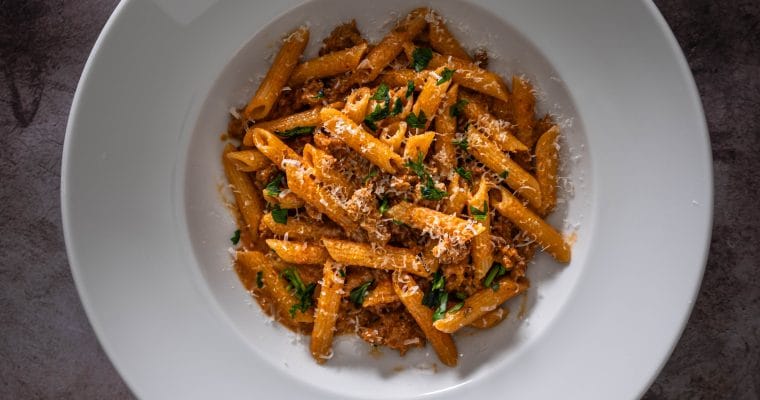
- Ragu or Bolognese—serve polenta as an alternative to pasta with your favorite meat sauce
- Roasted vegetables—top with roasted vegetables and a drizzle of good olive oil for a hearty vegetarian dinner
- Fried eggs—a runny fried egg on top of polenta makes an incredible breakfast or brunch
Questions fréquemment posées
What’s the difference between polenta and cornmeal?
Polenta is a specific type of coarsely ground cornmeal. Regular cornmeal is finer and won’t give you the same creamy texture or authentic Italian result. Look for packages specifically labeled “polenta” for best results.
Can I use instant polenta?
Instant polenta cooks in 5 minutes but doesn’t have the same creamy texture or depth of flavor as traditional polenta. If you’re short on time it works in a pinch, but traditional polenta is worth the extra effort for special meals.
Why is my polenta lumpy?
You added the polenta too fast or didn’t whisk enough at the beginning. Next time, pour it in a slower, steadier stream while whisking constantly. If you do get lumps, keep whisking vigorously—many will break down with continued stirring.
Can I make polenta ahead of time?
You can make it a few hours ahead and reheat it gently on the stove with a splash of water or broth to loosen it up. Stir frequently while reheating to restore the creamy consistency.
How do I store and use leftover polenta?
Pour leftover polenta into a greased container and refrigerate. It will firm up completely. You can slice the firm polenta and pan-fry or grill it for a completely different preparation—crispy on the outside, creamy on the inside. This is a delicious way to repurpose leftovers.
Recipe Card
Creamy Parmesan Polenta Recipe (Italian Comfort Food Made Easy)
Prep Time: 10 minutes
Cook Time: 40 minutes
Total Time: 50 minutes
Servings: 6
Difficulty: Easy
Ingrédients:
- 4 cups water (1L)
- 1 teaspoon fine salt
- 1 cup polenta (170g)
- 3 tablespoons butter (45g), divided
- ½ cup freshly grated Parmigiano-Reggiano cheese (50g), plus more for garnish
Instructions:
- Bring water and salt to boil in large heavy-bottomed saucepan over high heat.
- Reduce to medium heat. Pour polenta in slow steady stream while whisking constantly until incorporated.
- Reduce to low heat. Whisk often until polenta thickens, about 5 minutes.
- Cover and cook 30 minutes, whisking every 5-6 minutes. Switch to wooden spoon when too thick to whisk.
- Cook until creamy and tender, not gritty. Taste to check doneness.
- Turn off heat. Stir in 2 tablespoons butter until partially melted.
- Stir in ½ cup Parmigiano-Reggiano until completely melted and glossy.
- Cover and let stand 5 minutes to thicken.
- Stir one final time. Transfer to serving bowl.
- Top with remaining 1 tablespoon butter and 1 tablespoon grated cheese for garnish. Serve immediately.