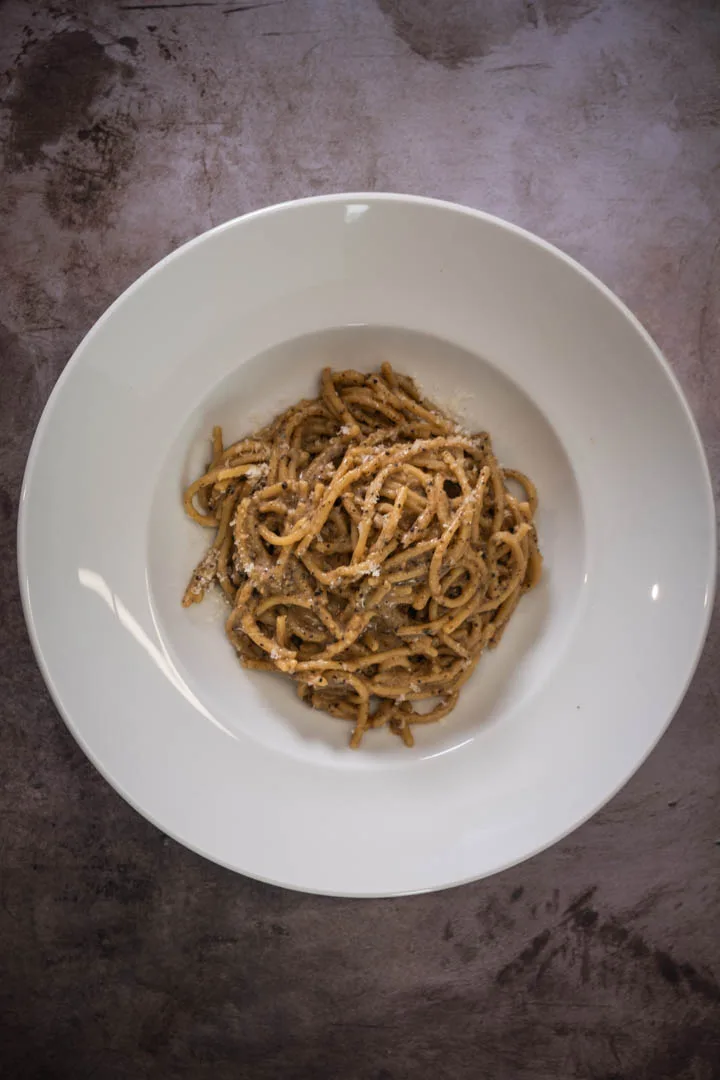
Authentic Cacio e Pepe (Roman Cheese and Pepper Pasta)
Classic Roman cacio e pepe with Pecorino Romano, toasted peppercorns, and starchy pasta water emulsion in just 5 ingredients.
Cacio e pepe is one of the most revered pasta dishes in all of Italian cooking. With just five ingredients — spaghetti, Pecorino Romano, Parmigiano-Reggiano, black peppercorns, and pasta water — this Roman classic delivers an astonishing depth of flavor. The name translates literally to “cheese and pepper,” and mastering this deceptively simple recipe is a true test of technique over complexity.
Why Cacio e Pepe Demands Respect
This dish belongs to the holy trinity of Roman pastas alongside carbonara and amatriciana. What sets cacio e pepe apart is its absolute minimalism. There is no cream, no butter, and no garlic. The sauce is built entirely from the emulsion of starchy pasta water and finely grated cheese, bound together by the heat of the pasta itself. Get the technique right and you produce a velvety, glossy coating that clings to every strand. Get it wrong and you end up with clumps of melted cheese sitting in greasy water.
The difference between a mediocre cacio e pepe and a transcendent one comes down to three variables: the starchiness of the pasta water, the temperature at which you add the cheese, and the speed of your tossing. Every step in this recipe is designed to give you control over those three variables.
The Role of Toasted Black Pepper
Black pepper is not a background seasoning in cacio e pepe — it is a co-star alongside the cheese. Toasting whole peppercorns in a dry pan before crushing them transforms their character entirely. The heat activates aromatic compounds that raw pepper lacks, producing a warm, almost floral fragrance that permeates the finished dish. Coarsely grinding the toasted peppercorns rather than using a fine grind ensures you get pockets of bold, spicy crunch in every bite.
Blooming the pepper in hot pasta water creates a pepper-infused liquid that serves as the foundation of the sauce.
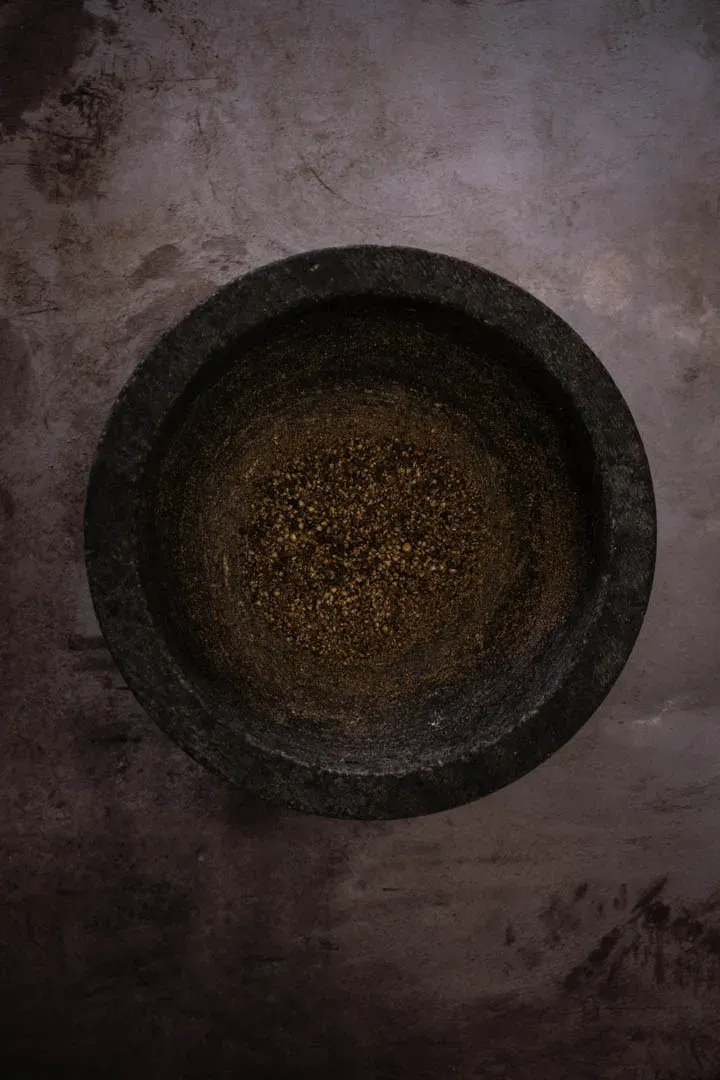
This step is often skipped in shortcut versions of the recipe, but it makes a measurable difference in the final flavor.
Choosing the Right Cheese
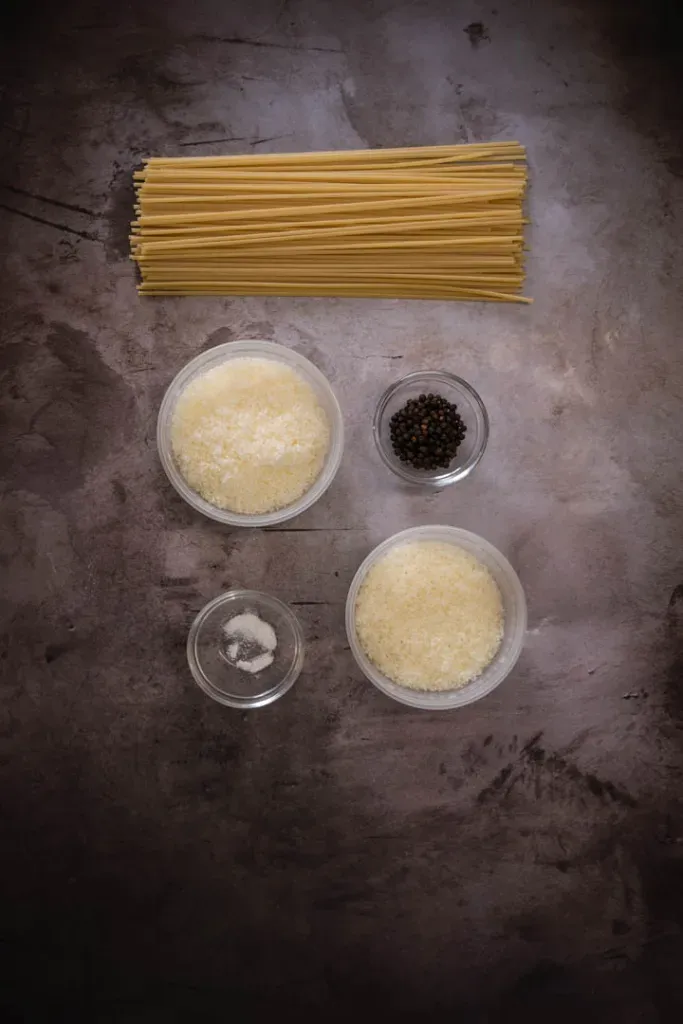
Authentic cacio e pepe from Rome uses only Pecorino Romano, a hard sheep’s milk cheese with an assertive, salty bite. This recipe tempers that intensity by blending in an equal amount of Parmigiano-Reggiano, which contributes a creamier, nuttier dimension. The combination produces a more balanced sauce that appeals to a wider palate without sacrificing authenticity.
Grate both cheeses as finely as possible using a microplane or the smallest holes on a box grater. Finely grated cheese melts more evenly and resists clumping, which is critical for achieving a smooth emulsion. Pre-grated cheese from a bag contains anti-caking agents that interfere with melting — always grate your own.
The Pasta Water Secret
The single most important element in cacio e pepe is starchy pasta water. This cloudy, salt-seasoned liquid contains dissolved starch from the cooking pasta, and that starch acts as a natural emulsifier. It bridges the gap between fat and water, allowing melted cheese to form a stable, creamy sauce instead of separating into greasy clumps.
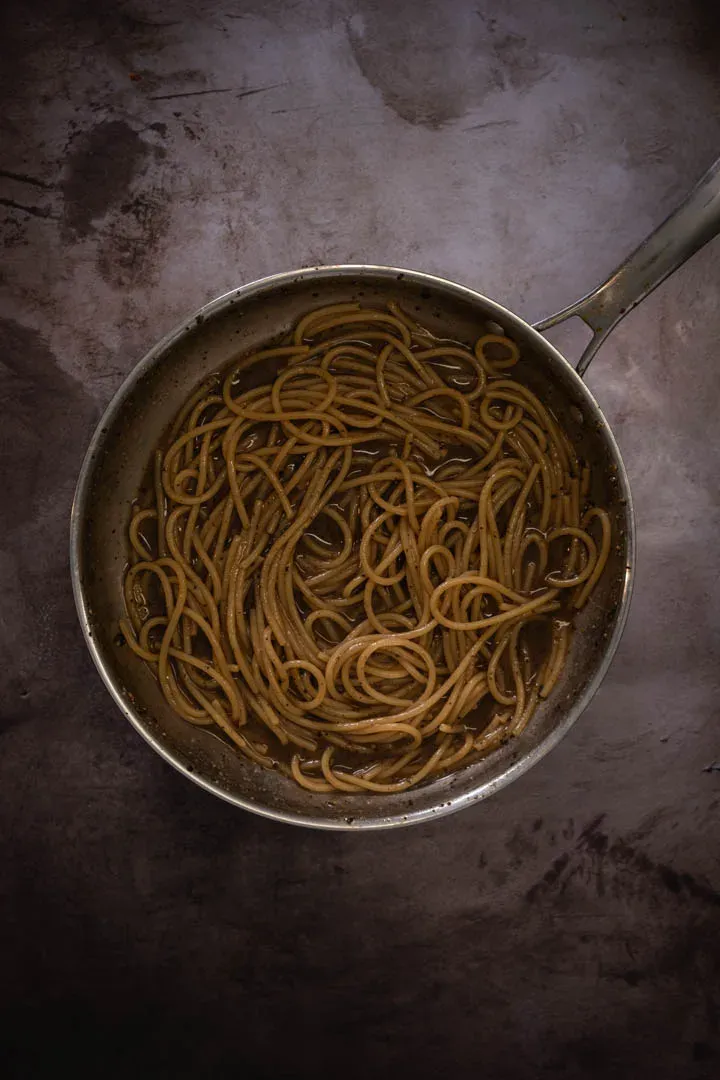
To maximize starch concentration, cook the pasta in less water than you normally would. A smaller volume of water means a higher ratio of starch, giving you a more potent emulsifying agent. Pulling the pasta out three minutes early and finishing it directly in the pepper sauce allows even more starch to transfer into the final dish.
Mastering the Emulsion Technique
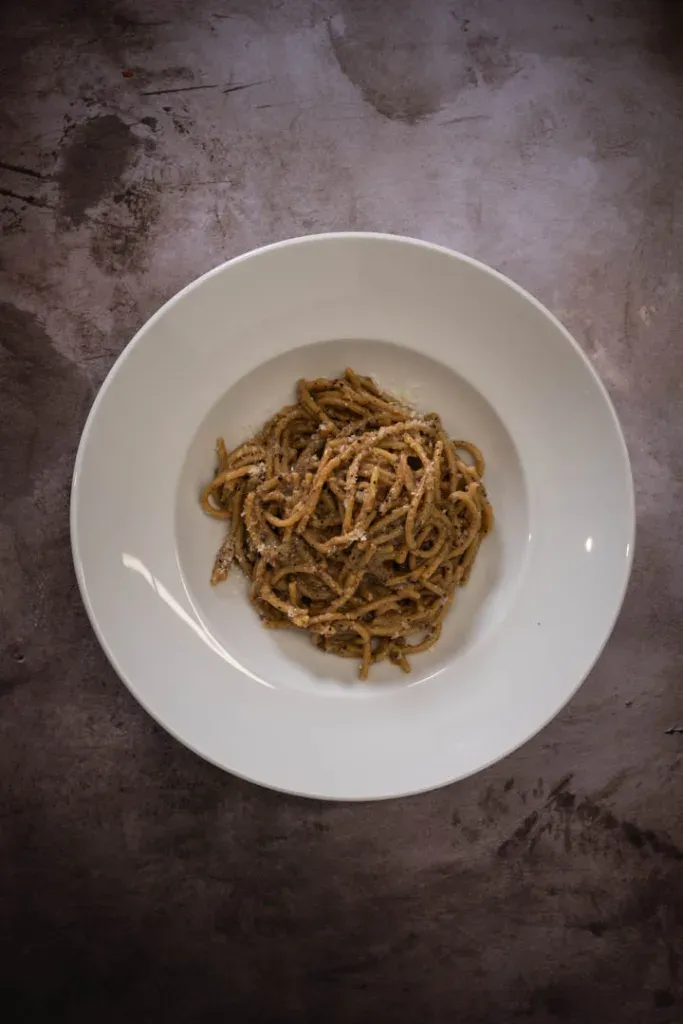
The most critical moment in making cacio e pepe is the cheese addition. If the pan is too hot, the proteins in the cheese seize up and form rubbery clumps. If the pan is too cool, the cheese does not melt at all and sits in dry granules on the pasta. The sweet spot is a temperature warm enough to melt cheese but cool enough to prevent it from breaking.
Remove the pan from heat entirely and wait roughly three minutes before adding the cheese. Sprinkle it in gradually — a small handful at a time — while tossing the pasta vigorously with tongs and adding small splashes of reserved pasta water. The constant motion and incremental additions give the starch time to stabilize each addition of cheese before the next one arrives. Patience at this stage is everything.
Serving and Plating
Cacio e pepe waits for no one. The emulsion begins to tighten the moment it stops moving, so plate the pasta immediately after the sauce comes together. Twirl it into a nest using tongs and a ladle, then finish with an extra shower of grated Pecorino and a generous crack of black pepper on top.
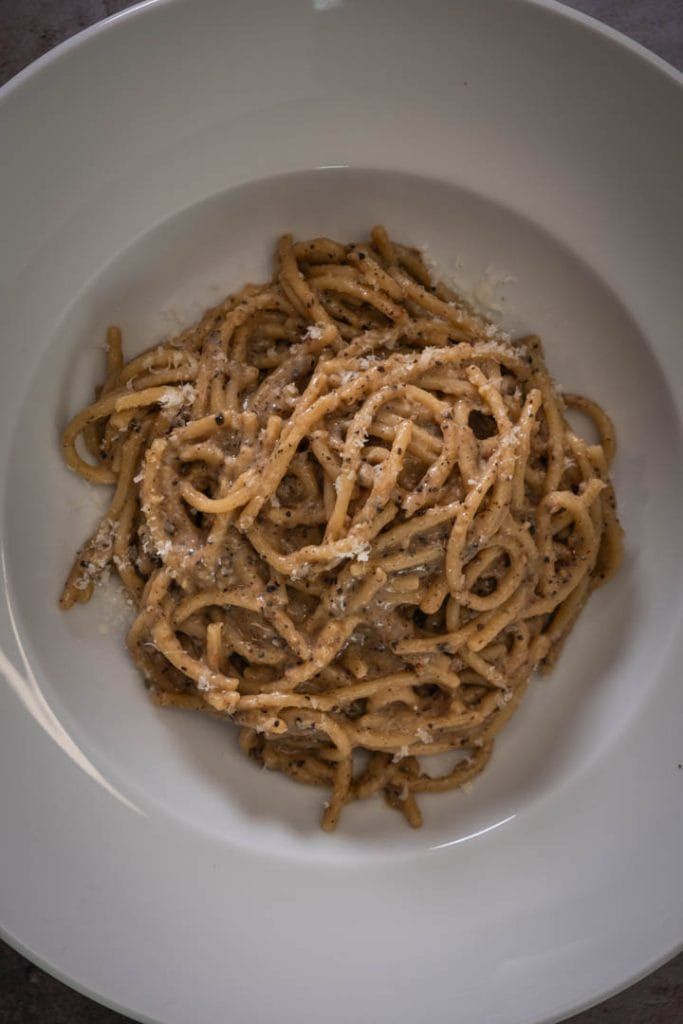
Pair this with a crisp white wine like Frascati or a light red like a young Chianti. Keep the accompaniments minimal — a simple arugula salad dressed with lemon and olive oil is all you need. For a heartier Italian meal, start with a light appetizer before this satisfying main course. If you enjoy Italian pasta, try our beef ragu pappardelle for a slow-cooked alternative, or explore more dinner recipes for weeknight inspiration.
Common Mistakes to Avoid
Many home cooks add cream to salvage a broken cacio e pepe. While this produces an edible result, it masks the clean, sharp flavor of the cheese and pepper that defines the dish. If your sauce breaks, add a generous splash of hot pasta water and toss aggressively off heat — the starch will often re-emulsify the sauce without any dairy intervention.
Another frequent error is using too much pepper. Six grams of whole peppercorns may seem modest, but once toasted and cracked, the flavor intensifies dramatically. Start with the amount listed and adjust upward on subsequent attempts once you know your preference. The goal is a dish where cheese and pepper exist in equal harmony, not one where the heat overwhelms everything else.
Cacio e pepe rewards precision and punishes improvisation. Follow the technique exactly, respect the simplicity of the ingredients, and you will produce a dish that rivals anything served in the trattorias of Rome.
Authentic Cacio e Pepe (Roman Cheese and Pepper Pasta)
Instructions
-
Bring a large pot of generously salted water to a boil.
-
Toast whole black peppercorns in a dry pan over medium-high heat for approximately 4 minutes until fragrant.
-
Grind toasted peppercorns coarsely using a mortar and pestle or spice grinder.
-
Cook spaghetti 3 minutes less than package instructions. Reserve approximately two ladles of starchy pasta water.
-
Add reserved pasta water to the pepper pan and simmer gently.
-
Transfer drained pasta directly to the pepper sauce using tongs, adding more pasta water as needed.
-
Cook over high heat while stirring constantly until pasta is fully al dente.
-
Remove from heat, cool for approximately 3 minutes, then gradually stir in both cheeses with small amounts of pasta water.
-
Stir vigorously to create a creamy, silky sauce that clings to every strand.
Ingredients
Nutrition(Per serving)
415 kcal
Calories
10g
Fat
56g
Carbs
18g
Protein
Date Night Tips
Wine Pairing
A crisp Frascati or dry Trebbiano complements the rich Pecorino
Set the Mood
Italian jazz — try Stefano Bollani or Paolo Conte
Plating Tip
Twirl pasta into a tight nest using tongs and serve on a warm plate

Victor Vu
Victor creates date night recipes designed to impress. Based in Montreal, he believes great food brings people closer together.
About the author →Frequently Asked Questions
Why is my Cacio e Pepe too dry?
The secret to a creamy sauce is in the pasta water. Make sure to reserve enough starchy water and add it gradually while tossing the pasta off heat. The starch acts as an emulsifier, binding the cheese into a smooth, creamy coating.
Can I use different pasta besides spaghetti?
Long pasta like linguine or bucatini work well, though sauce texture may vary slightly. Tonnarelli is the traditional Roman choice. Avoid short pasta as it doesn't create the same tossing action needed for proper emulsion.
Is using both cheeses necessary?
Yes. Pecorino Romano provides sharp, salty intensity while Parmigiano-Reggiano adds creamy, nutty richness. Using only Pecorino can make the sauce overly salty, while only Parmigiano lacks the authentic Roman flavor profile.
Why did my cheese clump instead of forming a smooth sauce?
Cheese clumping happens when the pan is too hot. Always remove the pan from heat and let it cool for a few minutes before adding cheese. Add the cheese gradually in small handfuls, stirring constantly and adding splashes of pasta water to maintain the emulsion.
Should I toast the peppercorns or use pre-ground pepper?
Always toast whole peppercorns. Toasting blooms the essential oils and creates a deeper, more complex flavor that pre-ground pepper simply cannot match. Freshly cracked pepper also provides the coarse texture that defines authentic cacio e pepe.
How important is the pasta water starch content?
Extremely important. The starch in pasta water is the key emulsifier that binds cheese and fat into a creamy sauce. Use less water in the pot than usual so the starch concentration is higher. This gives you a thicker, more effective binding liquid for the sauce.
You might also like
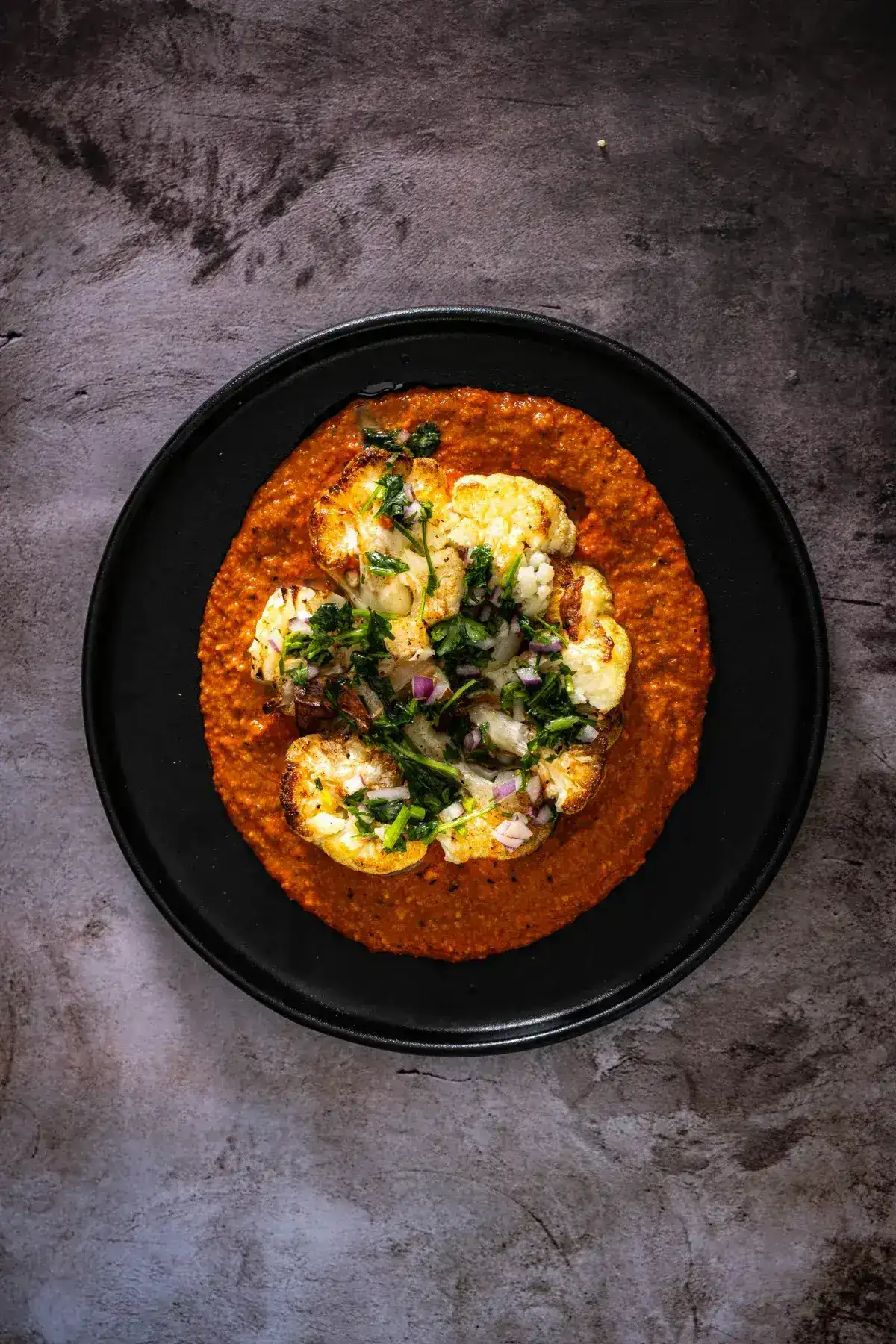
Roasted Cauliflower Steaks with Smoky Romesco Sauce
Thick-cut roasted cauliflower steaks topped with smoky Spanish romesco sauce and fresh parsley dressing. A stunning vegan main.
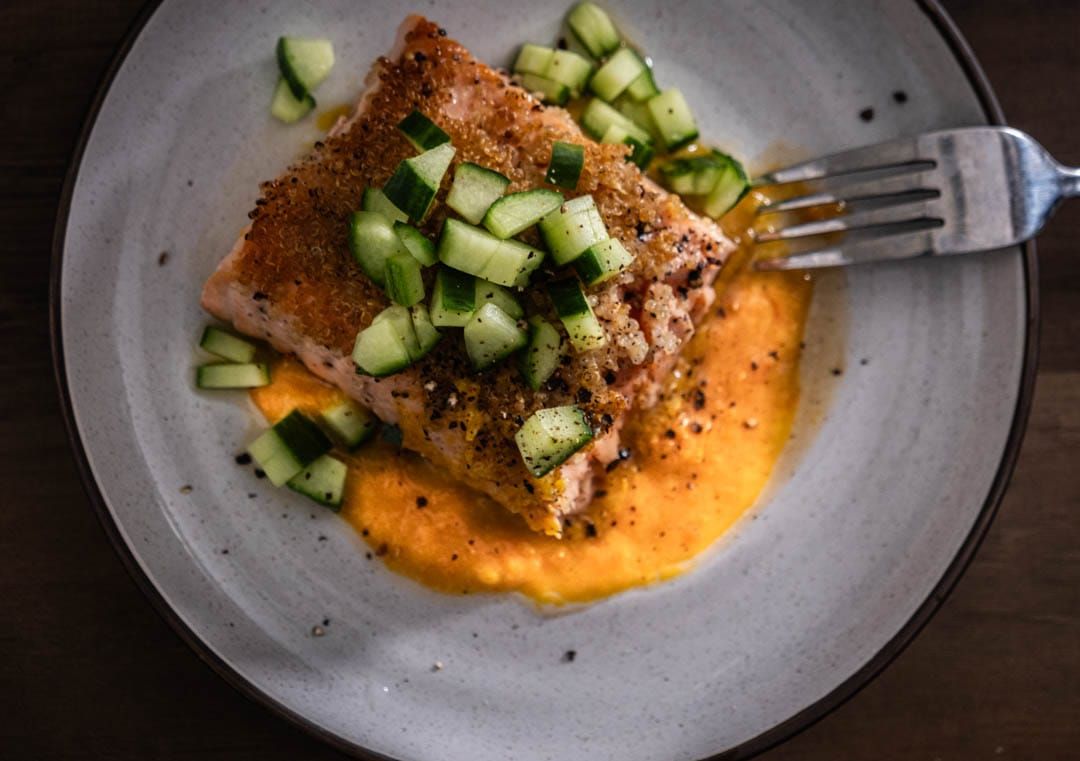
Quinoa-Crusted Salmon with Spicy Orange Miso Sauce
Quinoa-crusted salmon with spicy orange miso sauce featuring aji amarillo and citrus. A stunning Nikkei fusion dish.
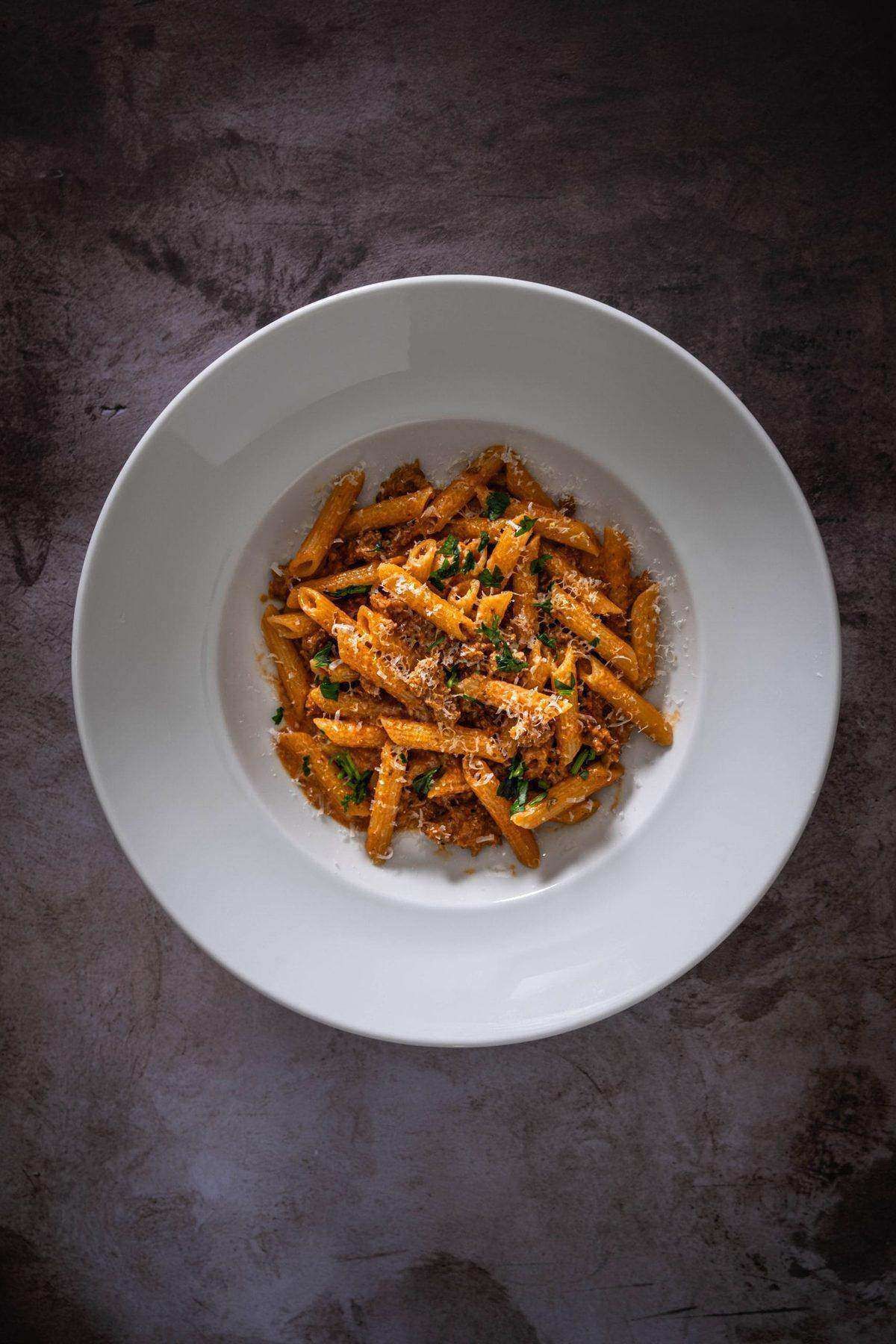
Creamy Penne alla Vodka with Italian Sausage
Creamy tomato-vodka sauce with Italian sausage and penne pasta. A rich one-pan dinner ready in 40 minutes.