Slow-Cooked Beef Ragu with Pappardelle Pasta
The slow-cooked ragu that says 'I've been thinking about you all day.' Chuck roast, red wine, and pappardelle worth every minute.

Prep
15 min
Cook
2h 30 min
Total
2h 45 min
Difficulty
Medium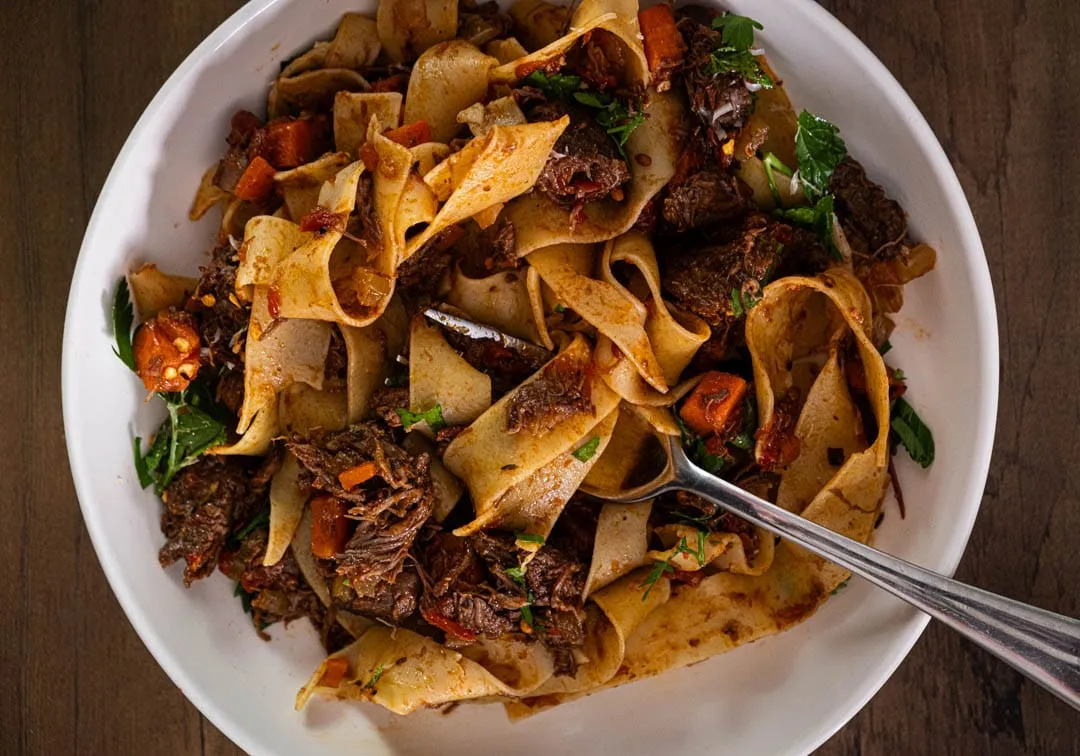
“Slow-cooked beef ragu is an Italian braise made by searing chuck roast, then simmering it for over two hours with crushed tomatoes, red wine, and aromatics until the meat shreds into a rich, glossy sauce. Tossing it with wide pappardelle ribbons and starchy pasta water creates a coating that clings to every fold.”
I started making this ragu because I wanted to impress someone. I kept making it because the apartment fills with the kind of warmth that makes people take off their coat and stay a while. Two and a half hours of low, patient simmering turns a cheap cut of chuck into the most seductive thing on the table. No reservation required. No culinary school diploma. Just a heavy pot, a bottle of red wine (most of it goes in the sauce, I promise), and the kind of evening where you’re not in any rush to be anywhere else.
Why chuck roast wins every time
I’m not being precious about the cut. Chuck is the one you want because it’s loaded with collagen, that tough connective tissue that sounds unappetizing until you learn what heat does to it. Two hours at a lazy simmer and all that collagen melts into gelatin, turning your braising liquid into something thick, glossy, and rich without a drop of cream. The meat itself goes from resistant to fork-tender, shredding into silky strands that disappear into the sauce like they were always meant to be there.
Brisket can work if that’s what the butcher has. Short ribs bring even more richness, though you’ll be skimming fat for a while. For the price, the forgiveness, and the way it falls apart right on schedule, chuck is the answer. Buy it in one or two large pieces rather than pre-cut stew meat. You want broad surfaces to sear, not little cubes that steam and turn grey. If you love this style of slow-cooked Italian cooking, our pork osso buco takes the same patient approach with shanks and a bed of creamy polenta.
The quiet magic of soffritto
Onion, carrot, celery. Three humble vegetables that have no business being this important, and yet here we are. Cooked gently in olive oil until soft and sweet, the soffritto builds a foundation underneath everything else. You won’t bite into the finished ragu and think “I taste carrot.” What you’ll notice is a rounded warmth that smooths out the acidity of the tomatoes, softens the tannins from the wine, and gives the beef something to lean on.
Five minutes over medium heat is all the soffritto needs. You want the vegetables translucent and fragrant, not browned. Browning introduces a toasty flavor that competes with the sear on the beef, and this sauce already has enough going on. Keep the heat gentle and let them do their quiet work.
Searing is where the flavor starts
Dry the beef thoroughly before it touches the pan. This is not optional. Wet surfaces steam instead of searing, and steamed meat turns sad and grey. Pat each piece down with paper towels until the surface feels almost tacky, season generously with salt and pepper, and lay it into a very hot, lightly oiled heavy-bottomed pot.
You’re looking for a deep, dark brown crust on every side. This takes about three minutes per face, longer than most people expect. Resist the urge to move the meat around. If it’s sticking, it’s not ready to flip. When the crust forms properly, the beef releases from the pan on its own, clean and caramelized.
Those dark, sticky bits clinging to the bottom of the pot after searing are not a mess to scrub away. They’re the best part. When the wine hits the hot pot, it lifts all of that concentrated flavor right into the sauce. Every good braise starts with those fond bits, and skipping the sear means you lose them entirely.
Building the braise, then walking away
Once the soffritto is soft, the wine goes in first. It hits the hot pot and dissolves everything stuck to the bottom in one fragrant rush. Let it bubble for a minute so the raw alcohol cooks off, then add the crushed tomatoes, tomato paste, water, thyme, and bay leaf. Nestle the seared beef back in. The liquid should come about halfway up the sides of the meat. This is a braise, not a soup.
A quick word about the tomato paste: one and a half tablespoons doesn’t sound like much, but it punches well above its weight. Pure concentrated umami that gives the finished sauce its deep brick-red color and savory backbone. Crushed tomatoes alone can’t get you there.
Bring everything to a gentle simmer, drop the heat as low as your stove allows, cover the pot, and walk away. Two hours. That’s it. Check once or twice to make sure the liquid level is holding and nothing is catching on the bottom, but otherwise, leave it alone. This is the part where you set the table, pick the playlist, open the wine, and let the kitchen do the work for you.
Pappardelle: the only pasta wide enough for the job
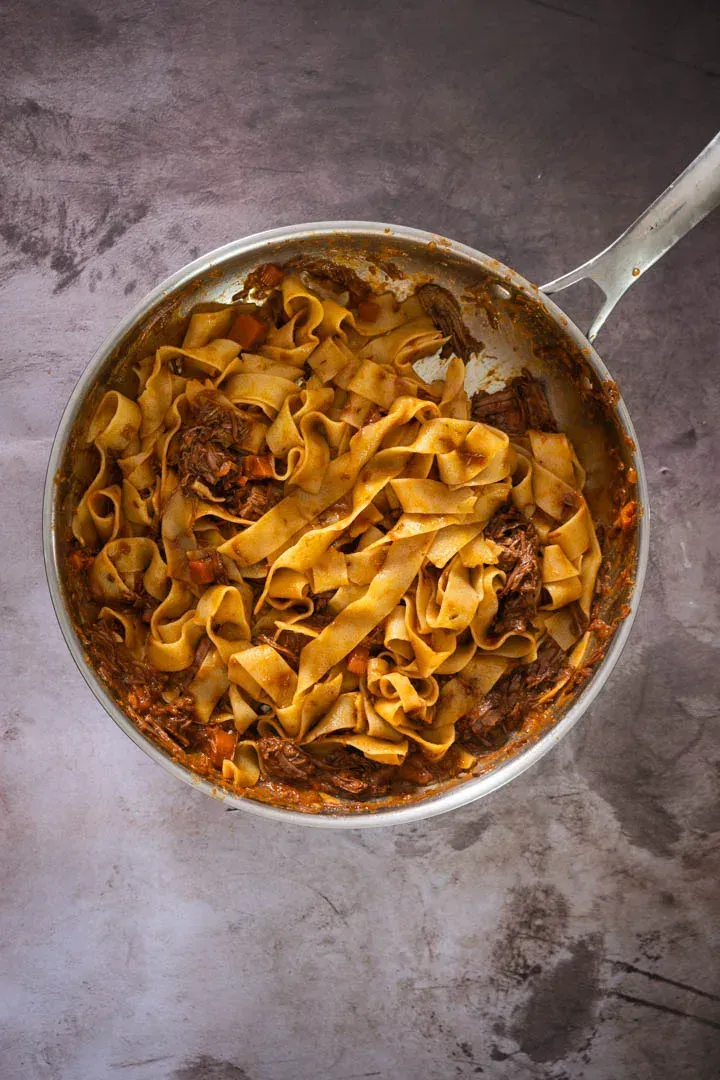
A sauce this rich needs a pasta that can keep up. Pappardelle’s wide ribbons catch the ragu in every fold, giving you that perfect ratio of meat, sauce, and noodle in each bite. Thinner shapes like spaghetti carry the flavor fine but lose the proportion that makes this dish feel complete. You want every forkful to feel generous.
Cook the pappardelle one minute less than the package says, then finish it directly in the ragu over heat. This step changes everything. The pasta absorbs flavor from the sauce while releasing starch back into it, creating a glossy emulsion that clings to every ribbon instead of pooling at the bottom of the bowl. Save at least a cup of pasta water before draining. Add it gradually as you toss, looking for a sauce that coats the noodles but still moves. It tightens up fast once you plate.
Serving, leftovers, and the morning after
Warm your bowls. A cold bowl cools pasta in about ninety seconds, and you did not spend two and a half hours braising beef to serve lukewarm noodles. Grate the Parmesan fresh, directly over the plate. The stuff from the jar is not the same, and the thirty seconds it takes is the easiest upgrade you’ll ever make.
Crusty bread belongs on the side for the sauce at the bottom of the bowl, which is too good to leave behind. A simple green salad with a sharp red wine vinaigrette cuts through the richness and makes the whole meal feel balanced. For the full date-night experience, follow the ragu with lemon posset brulee: bright, creamy, and exactly the kind of ending that makes someone linger over coffee.
The ragu keeps beautifully for four days in the fridge and up to three months in the freezer. Portion it into containers so future-you can pull out exactly what you need on a Tuesday night when cooking from scratch isn’t happening. The flavor actually deepens after a day or two. Reheat it gently on the stovetop with a splash of water and cook fresh pappardelle the night you eat it. The hard part is already done.
If you want something Italian but faster on a weeknight, cacio e pepe takes five ingredients, twenty minutes, and delivers its own kind of quiet confidence on the plate.
Slow-Cooked Beef Ragu with Pappardelle Pasta
Instructions
Prepare and Sear the Beef: Pat beef dry and season generously with salt and pepper. Heat 1 tablespoon olive oil in a heavy-bottomed pot over high heat. Sear beef pieces until golden-brown on all sides, then set aside.
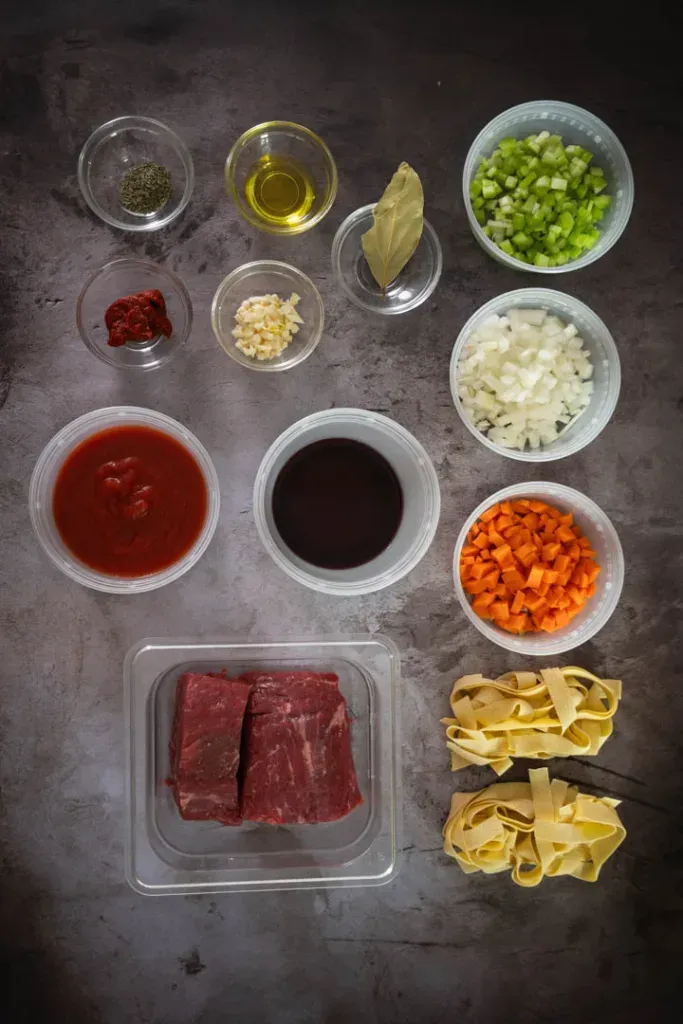
Saute the Vegetables: Add remaining olive oil to pot. Saute garlic, onion, carrots, and celery until softened and fragrant, approximately 5 minutes.
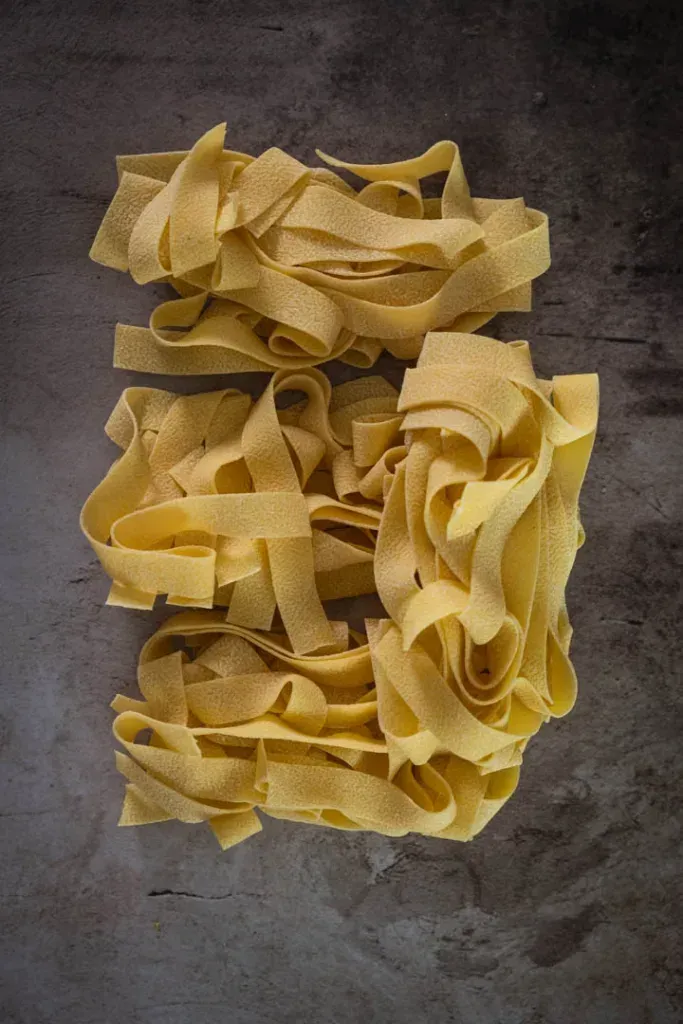
Build and Simmer the Ragu: Add crushed tomatoes, tomato paste, red wine, water, thyme, and bay leaf. Return seared beef to pot. Bring to a gentle simmer, reduce heat to low, cover, and cook for about 2 hours until beef is fork-tender.
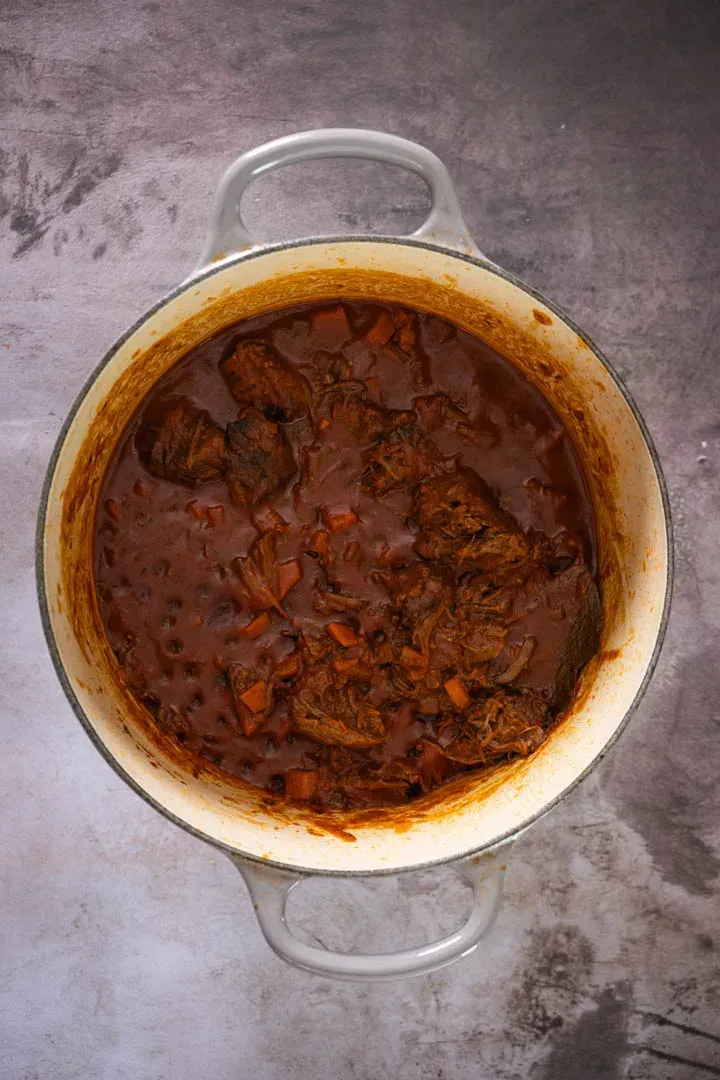
Shred the Beef: Remove beef from pot and shred using two forks. Return shredded beef to sauce and simmer uncovered for 30 minutes to thicken.
Cook the Pappardelle: Bring a large pot of salted water to a boil. Cook pappardelle according to package instructions, reducing cooking time by one minute for al dente texture.
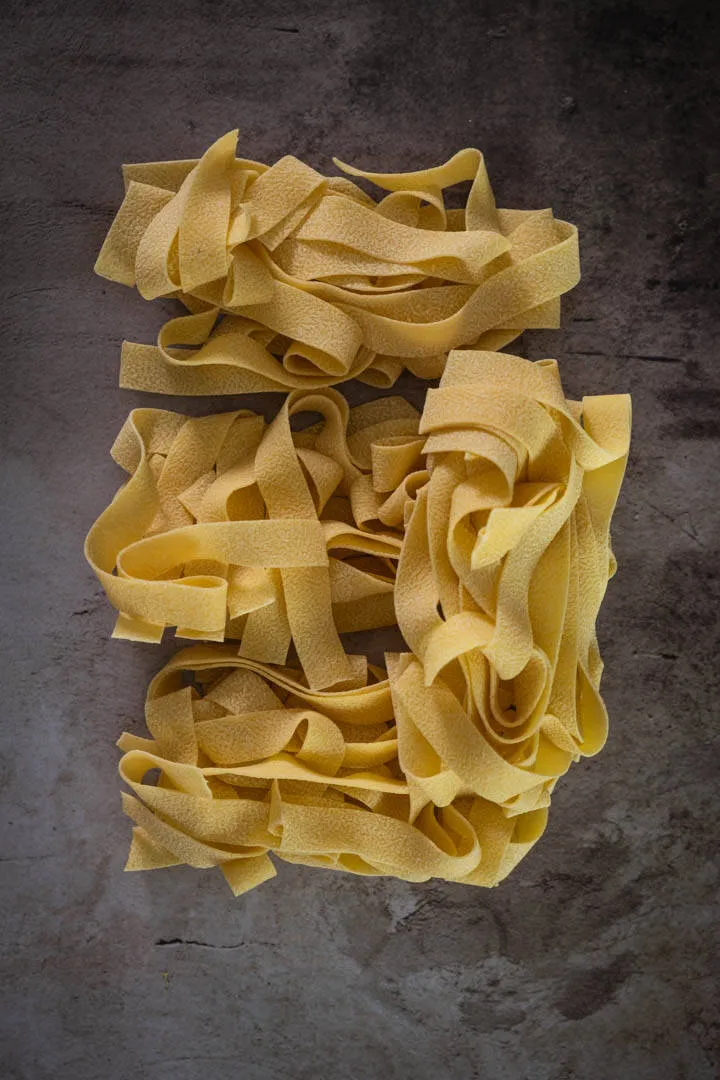
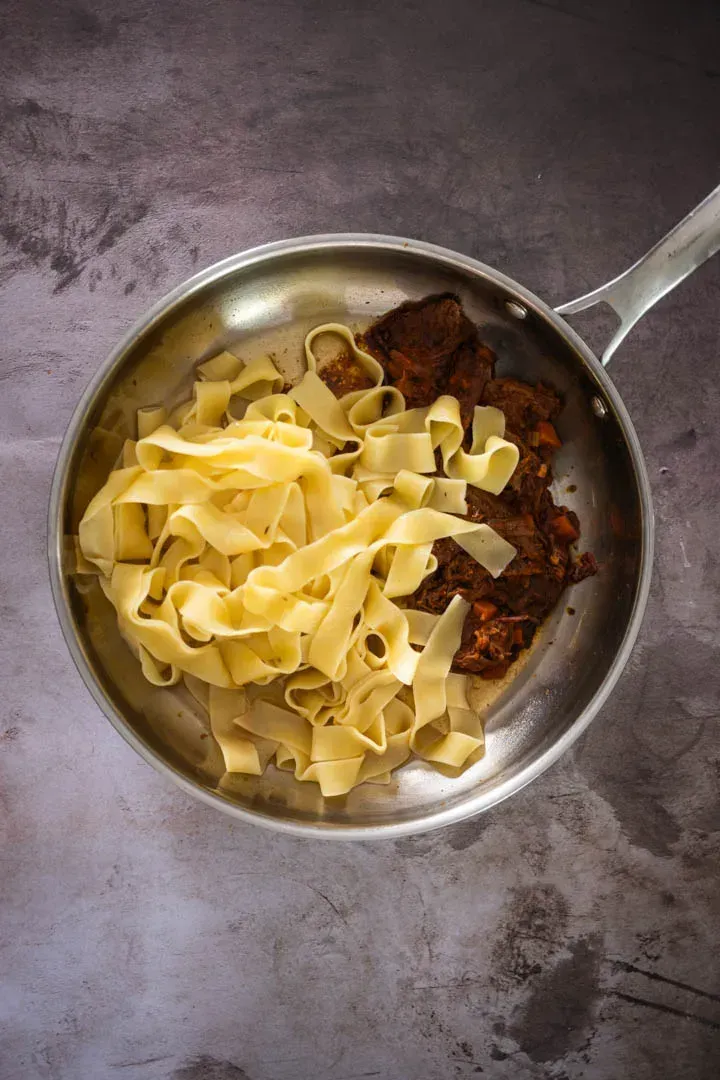
Combine: Heat ragu in a large pan. Transfer cooked pasta directly to sauce with about 3/4 cup pasta water using tongs. Toss until sauce coats all pasta ribbons.
Serve: Plate pasta and sprinkle generously with Parmesan. Garnish with fresh parsley. Serve immediately.
Date Night Tips
Wine Pairing
A bold Barolo or Chianti Classico stands up to the rich ragu
Music
Dean Martin's Italian classics or Andrea Bocelli
Plating
Spoon ragu in the center of wide pappardelle ribbons and finish with fresh parsley
Enjoy your meal!
The Official Recipe
Slow-Cooked Beef Ragu with Pappardelle Pasta
Nutrition(Per serving)
580 kcal
Calories
18g
Fat
62g
Carbs
38g
Protein
Ingredients
Instructions
Prepare and Sear the Beef: Pat beef dry and season generously with salt and pepper. Heat 1 tablespoon olive oil in a heavy-bottomed pot over high heat. Sear beef pieces until golden-brown on all sides, then set aside.
Saute the Vegetables: Add remaining olive oil to pot. Saute garlic, onion, carrots, and celery until softened and fragrant, approximately 5 minutes.
Build and Simmer the Ragu: Add crushed tomatoes, tomato paste, red wine, water, thyme, and bay leaf. Return seared beef to pot. Bring to a gentle simmer, reduce heat to low, cover, and cook for about 2 hours until beef is fork-tender.
Shred the Beef: Remove beef from pot and shred using two forks. Return shredded beef to sauce and simmer uncovered for 30 minutes to thicken.
Cook the Pappardelle: Bring a large pot of salted water to a boil. Cook pappardelle according to package instructions, reducing cooking time by one minute for al dente texture.
Combine: Heat ragu in a large pan. Transfer cooked pasta directly to sauce with about 3/4 cup pasta water using tongs. Toss until sauce coats all pasta ribbons.
Serve: Plate pasta and sprinkle generously with Parmesan. Garnish with fresh parsley. Serve immediately.
Victor Vu
Victor is a Montreal home cook with a decade of experience developing date night recipes. Every dish is tested at least three times before publishing.
About the author →Frequently Asked Questions
What is the best cut of beef for ragu?
Chuck roast is the ideal cut for beef ragu. Its heavy marbling and connective tissue break down during a long, slow braise into silky, pull-apart strands. Brisket and short ribs work as alternatives, but chuck is more affordable, more forgiving, and practically designed for this dish.
Can I make beef ragu in a slow cooker?
Slow cooker beef ragu works beautifully. Sear the chuck and soften the vegetables on the stove first for better flavor, then transfer everything to the slow cooker on low for 7 to 8 hours. Shred the meat, stir it back in, and you have a rich, hands-off weeknight dinner.
Is red wine necessary for beef ragu?
Red wine adds a depth and gentle acidity to beef ragu that broth alone cannot replicate. Merlot or Cabernet Sauvignon are both solid choices. If you skip alcohol entirely, use beef broth with a small splash of red wine vinegar to approximate that same layered complexity.
Can I freeze leftover beef ragu?
Beef ragu freezes exceptionally well for up to three months in airtight containers. The flavors actually deepen after a few days frozen, making it a perfect make-ahead dinner. Thaw overnight in the fridge and reheat gently on the stovetop with a splash of water. It tastes even better the second time around.
Why should I finish the pasta in the sauce?
Finishing pappardelle directly in the ragu over heat lets the pasta absorb flavor while the released starch thickens everything into one glossy, clingy sauce. Adding about 3/4 cup of reserved pasta water while tossing creates an emulsion that coats every ribbon evenly. No watery puddle on the plate.
Can I use a different pasta shape with beef ragu?
Wide, flat pasta like tagliatelle or fettuccine catches beef ragu beautifully in every fold. Spaghetti works but the sauce slides off, losing the signature richness. Rigatoni is a decent short-pasta option since its ridges trap sauce well. For the best experience, stick with ribbons at least half an inch wide.
You might also like
Continue your culinary journey
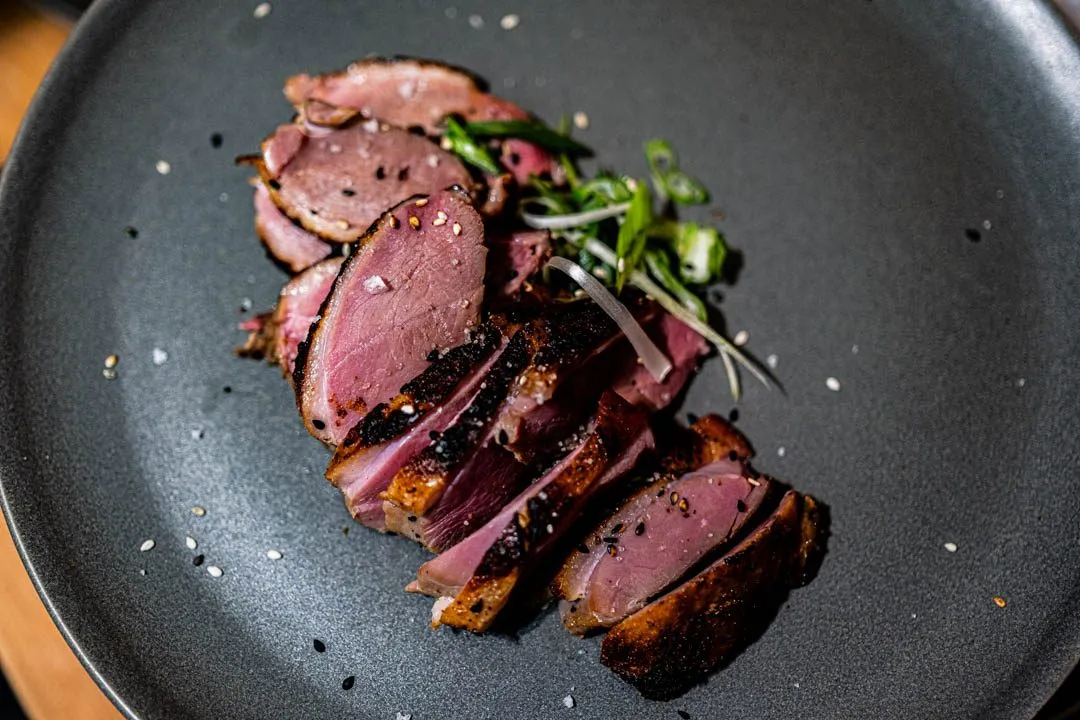
3-Day Miso Duck Breast (Crisp Skin)
Miso-cured duck breast with shatter-crisp skin and a Japanese-French glaze. Three days of patience, one unforgettable bite. The ultimate date night flex.
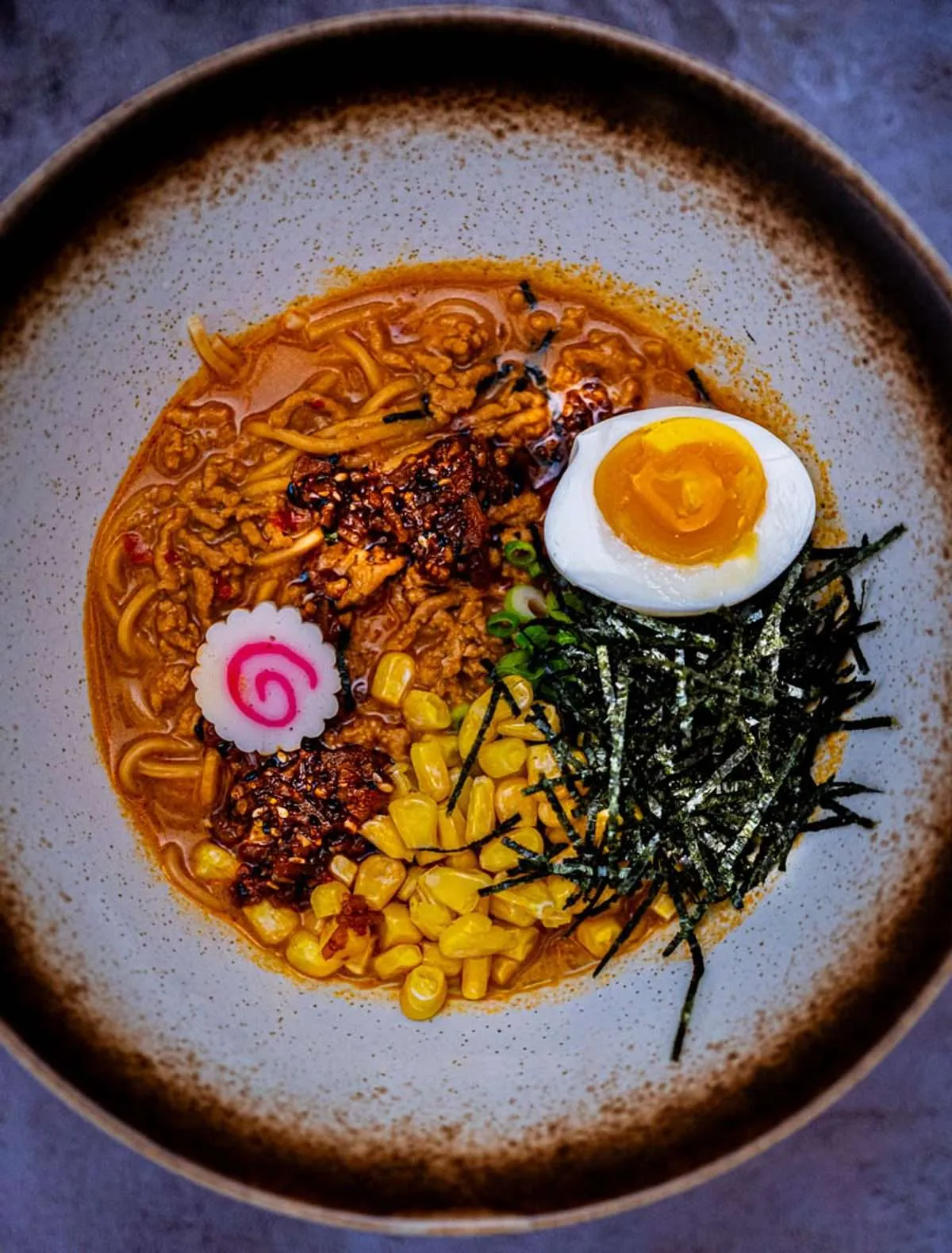
Bold Spicy Miso Ramen (Restaurant-Style)
Spicy, creamy miso ramen with ground pork and a garlic-togarashi oil that makes every spoonful dangerous. Restaurant-quality at home in 75 minutes.
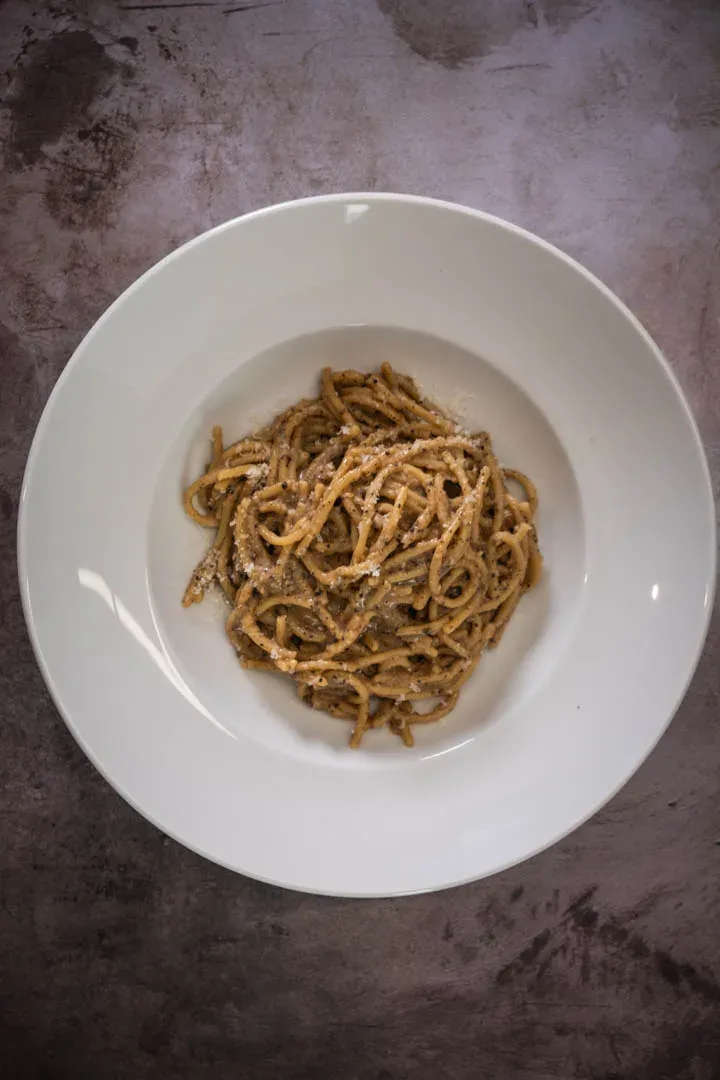
Authentic Cacio e Pepe Recipe
Five ingredients. Zero cream. The Roman pasta that makes your date put their phone down mid-bite. Cheese, pepper, and pure confidence.