How to Choose Fresh Seafood
Fresh seafood is the move that separates a good date night from a great one. Here's how to spot it, ask the right questions, and cook with confidence.

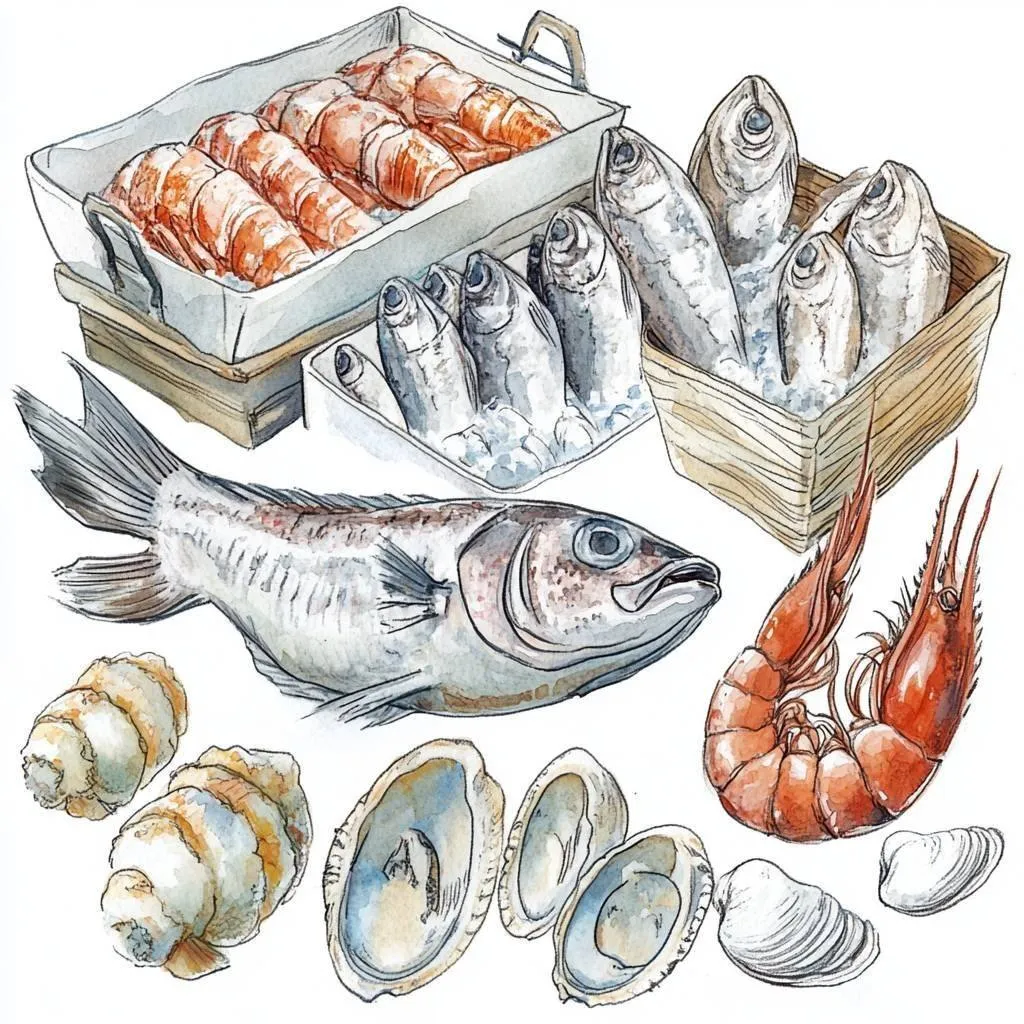
Seafood tells on you. Order it at a restaurant and you are one step removed from the sourcing. Cook it at home and the quality of what you bought is immediately, unavoidably apparent. There is nowhere to hide a poor purchase when the fish hits the pan. The good news: knowing how to spot genuinely fresh seafood is less mysterious than it sounds, and getting it right makes a real impression.
Why fresh matters more with seafood
Unlike beef, which actually benefits from aging, fish and shellfish peak at harvest and decline fast. The difference between fish that came in this morning and fish that has been sitting since Tuesday is not subtle. It shows in the smell, the texture, the color, and eventually in the taste of the finished dish.
When you serve truly fresh seafood, your date may not be able to name what they are responding to. But they will notice. Fresh fish does not taste fishy. Fresh scallops have a clean sweetness that, seared well, does not weep water onto the pan. Fresh mussels smell like the ocean. These qualities are not marketing. They are the actual difference between a memorable meal and one that is quietly disappointing.
There is also something to it before the first bite. You bought the fish that morning. You thought about what was actually good, not just what was easiest to grab. That kind of intention reads at the table even when you never mention it.
How to read a fish at the counter
At the fish counter, whole fish give you the most information. Look at the eyes first: they should be clear, bright, and slightly bulging. Sunken or cloudy eyes mean the fish has been sitting. Ask the staff to show you the gills: bright red or pink means fresh, brown or gray means age. Press the flesh gently with one finger. Fresh fish springs back immediately. Old fish holds the indent.
For fillets, you are reading different signals. The flesh should look translucent and glistening, not dull or opaque. Brown edges and gaps in the flesh mean it is past its peak. Moisture matters too: a fresh fillet is moist but not sitting in a pool of liquid. If the packaging is full of released liquid, the fish has been losing it for a while. Smell is always your sharpest tool. Fresh fish smells clean, mildly briny, like the sea. Anything sharp, sour, or vaguely chemical is a dealbreaker.
One practical note on display: fish that is completely buried in ice is being stored properly. Fish sitting on top of ice, warm to the touch, is not. That detail alone is enough to send you to a different counter.
Shellfish: the living proof
Live shellfish are the easiest to evaluate, because they are exactly what they sound like. Clams, mussels, and oysters are living right up until you cook them, and they tell you so. Tap a shell that is slightly open: if it closes, it is alive and good. If it stays open, it is dead and needs to go. Look for shells stored in mesh bags, refrigerated, never submerged in standing water. They should feel heavy for their size. A tag should show the harvest date; most live shellfish are good for 7 to 10 days from that date.
With shrimp, most of what is labeled fresh at the counter has already been frozen and thawed, and that is completely fine. Shrimp frozen at sea immediately after catch is often genuinely fresher than shrimp that traveled for days before being thawed for display. Look for translucent, uniform color (gray-blue or pink depending on species), firm shells if shell-on, and a mild, sweet smell. Black spots indicate deterioration. Any ammonia smell means it is not fresh.
Scallops deserve a dedicated mention. Ask specifically for dry scallops. Wet scallops have been treated with a preservative that causes them to absorb water, puff slightly, and then release all of it the moment they hit a hot pan. You will never get a sear. Dry scallops look ivory to pale pink, slightly translucent, with a firm, dry surface. They cost more, and the difference in the pan is dramatic: a deep mahogany crust over sweet, barely-cooked flesh. For the sear, use a high-heat oil or ghee (see the clarified butter and ghee guide for why it outperforms butter here). That is the kind of result that earns a meal its reputation.

What to ask at the fish counter
Knowing how to talk to the person behind the counter is its own skill. The right questions get you better product and show you know what you are doing, which tends to improve the service you receive.
“What came in today?” Fish counters receive deliveries on specific days. Today’s delivery is the freshest option. If nothing came in today, knowing that changes your decision.
“Can I smell this?” Any reputable counter will let you smell before buying. Fresh fish should smell clean. A counter that refuses the request is telling you something useful.
“Is this a dry or wet scallop?” This question alone earns you a level of service most customers never get. The staff will know immediately that you understand what you are buying.
“Was this previously frozen?” Not a dealbreaker; most fish has been. But the answer matters because you should not refreeze it at home.
“Where is this from?” Local and domestic fish often mean a shorter supply chain and better freshness. It also shows genuine interest in sourcing, which good fishmongers genuinely appreciate.
The best seafood picks for date night
A few options hit differently. Lobster tails have a special-occasion weight to them and happen to be surprisingly straightforward to cook: butter, a hot broiler, lemon. Oysters, if you both enjoy them, carry a certain theater: served raw on ice with a mignonette, they take almost no skill and communicate taste immediately. A whole roasted branzino or dorade is genuinely impressive on the table and takes confidence more than technical skill.
For more forgiving results, scallops, shrimp, and salmon are your reliable options. Salmon stays moist even if cooking runs slightly long, thanks to the fat content. Shrimp cooks in minutes and suits a half dozen preparations. Scallops, with dry-scallop quality and a very hot pan, take under four minutes total and plate beautifully.
If budget is part of the picture, mussels are one of the best moves in home cooking: inexpensive, beautiful in a wide shallow bowl with good bread alongside, and genuinely luxurious to eat. Mackerel and sardines, both underused in home kitchens, carry serious flavor and mark someone who is cooking beyond the obvious. For a recipe that puts quality shellfish to full use, the Gochujang Kimchi Seafood Bucatini shows exactly how shellfish responds to serious heat and bold seasoning.
Timing, storage, and what to avoid
Buy seafood the day you plan to cook it. That is the rule. If circumstances require buying the day before, remove it from the original packaging, place it on a plate, cover it with a damp paper towel, set that plate over a bowl of ice in the coldest part of the refrigerator, and cook it within 24 hours.
For market timing: Thursday and Friday tend to have the best selection because many counters receive weekend deliveries. Morning is better than afternoon for the freshest pick. Sunday evening is the worst time to buy.
What to avoid: anything with a fishy smell (fresh fish does not smell fishy), fish displayed on top of ice rather than buried in it, counters with no harvest dates or source information, and pre-packaged styrofoam trays when a fresh counter is available nearby. A counter with no customers is also worth noting; slow turnover means older stock.
Before cooking, take the seafood out of the fridge 10 to 15 minutes ahead and pat it completely dry. Moisture on the surface prevents browning. This matters especially for scallops and fish fillets, where a dry surface is the difference between a proper sear and an accidental steam.
The date night advantage
Your date comments on how fresh the fish tastes. You mention, without making a production of it, that you went to the counter in the morning and picked what came in that day. That kind of detail does not need a long explanation. It just lands.
The logic behind it is simple: at date-night quantities, a few extra dollars gets you a meaningful upgrade. Better ingredients ask less of the cook. Fresh scallops sear themselves. Fresh mussels open beautifully with nothing more than wine and heat. The work of impressing someone starts before anything touches the stove, at the counter, in the morning, choosing something worth cooking.
Related Recipes
Victor Vu
Victor is a Montreal home cook with a decade of experience developing date night recipes. Every dish is tested at least three times before publishing.
About the author →Frequently Asked Questions
Is frozen seafood bad?
Not even a little. Flash-frozen at sea within hours of catch is often genuinely fresher than the fillet that spent three days in a truck. Look for IQF (individually quick frozen) labeling. The freezer aisle is not admitting defeat; it is being honest about the supply chain.
What is the white stuff that comes out of salmon when cooking?
That is albumin, a totally harmless protein that squeezes out from between muscle fibers when salmon cooks too fast or too hot. Brine the salmon in salted water for 15 minutes before cooking and it mostly stays put. Your date will never see it.
How do I know if shellfish is alive and safe to cook?
Tap any open shell before cooking. A live clam or mussel closes when it feels the tap. One that stays open is dead and needs to be discarded. The smell of a dead shellfish makes the point unmistakably clear, so trust your nose as much as your eyes.
Can I buy seafood the day before my date night?
You can, though day-of is always better. If you must shop ahead, remove the seafood from its original packaging, set it on a plate over a bowl of ice, cover it with a damp paper towel, and store it in the coldest part of the fridge. Cook it within 24 hours.
Why does some fish cost so much more than others?
Fishing method, supply chain, and seasonality all factor in. Wild-caught costs more than farmed. Day-boat fish (caught and landed the same day) costs more than fish that traveled for several days. At date-night quantities, a few extra dollars buys a meaningful upgrade in quality.