The Perfect Date Night Cocktail Guide
Master date night cocktails at home: three recipes with clear technique, from a classic gin martini to a whiskey sour, for an impressive evening.

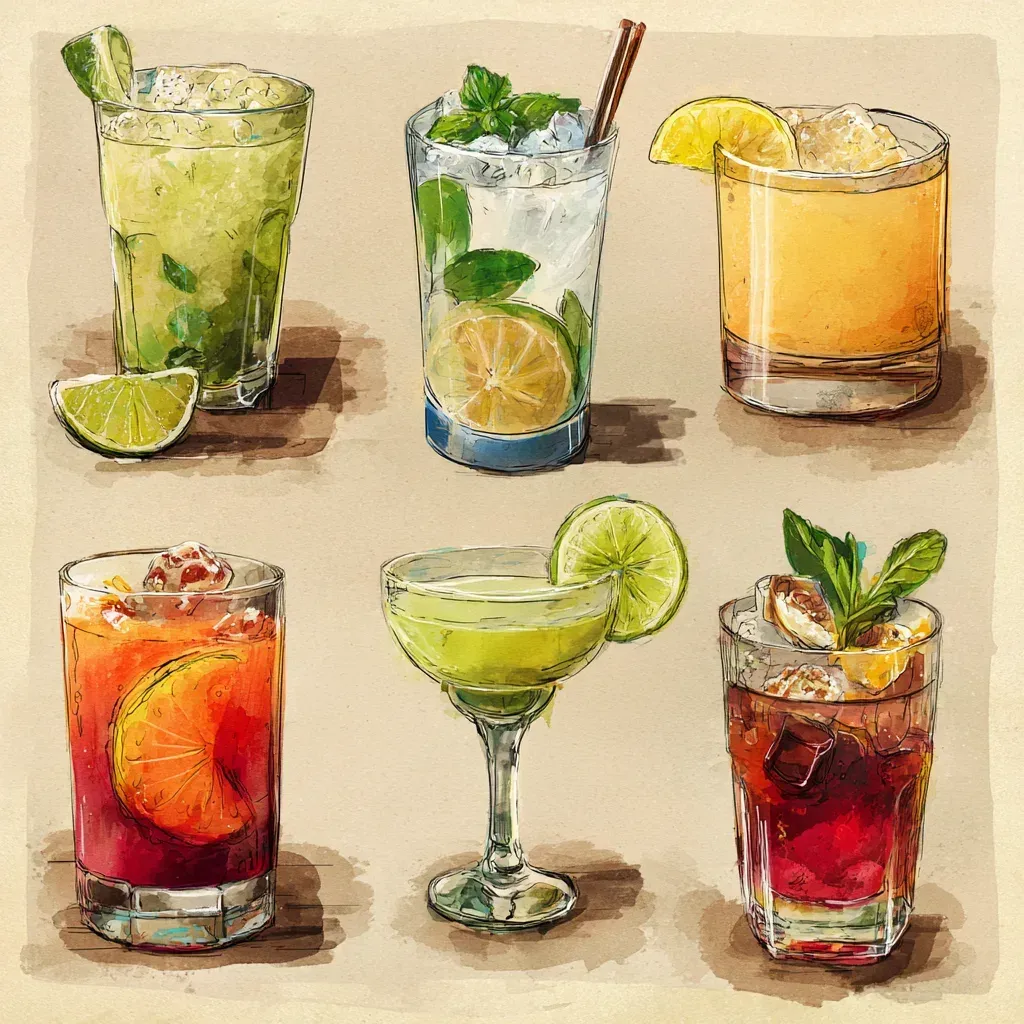
Mixing a cocktail for someone you want to impress is one of those small moves that carries more weight than it looks like. Opening wine is expected. Handing your date something you made specifically for them, balanced and cold and properly garnished, is something else entirely. It says you prepared. It says you paid attention. This guide covers everything you need to make that moment happen: the balance, the tools, the techniques, and three drinks worth knowing before the evening starts.
Why balance is the whole game
Every great cocktail is built on the same five elements, and knowing them changes how you think about every drink you ever make.
The spirit is the base, the primary alcohol that gives the drink its character. Citrus (usually fresh lemon or lime) cuts through the alcohol and adds brightness. A sweet element, either simple syrup or a liqueur, balances the citrus so neither one dominates. Dilution comes from the ice during shaking or stirring, and it does more than chill: it opens up flavors the alcohol was compressing. The aromatic layer, bitters, fresh herbs, or an expressed citrus peel, adds complexity that you notice before the first sip.
When those five elements are in proportion, the drink tastes balanced: assertive without being aggressive, refreshing without being cloying. Tip any one element too far and the whole thing falls apart. This is why measuring matters more than most people realize, especially at the start.
A few ratios worth memorizing:
- Sour template: 2 oz spirit / 0.75 oz citrus / 0.5 to 0.75 oz sweet
- Negroni: 1:1:1 gin, Campari, sweet vermouth
- Martini: 5:1 or 6:1 spirit to vermouth
- Old fashioned: 2 oz spirit, 0.25 oz simple syrup, 2 dashes bitters
The equipment you actually need
You don’t need a full bar. For cocktails that consistently impress, the essentials are a shaker (Boston tin-on-tin or a cobbler with a built-in strainer), a jigger with 1 oz and 0.5 oz markings, a bar spoon, a Hawthorne strainer if you’re using a Boston shaker, and a citrus juicer. Budget about $40 to $60 for the whole set and it will outlast most things in your kitchen.
The nice-to-haves come later: a muddler for herbs and fruit, a fine mesh strainer for cleaner pours, a channel knife for citrus twists, silicone ice molds for large clear cubes. None of these are necessary for a strong first impression. Start simple, learn on the basics, and add from there.
Shake, stir, or build
The method is not a preference. It is determined by what the drink contains.
Shake when the recipe includes citrus, cream, or egg white. Shaking aerates the liquid, chills it fast, and creates the dilution the recipe needs. Add everything to the shaker with ice and shake hard for 10 to 15 seconds, until the tin feels cold in your hands. Strain and serve. Margarita, whiskey sour, daiquiri: all shaken.
Stir when the drink is spirit-forward with no citrus or dairy. Stirring chills and dilutes gently without introducing air, preserving the silky texture that makes a great martini or Manhattan. Add ice and ingredients to a mixing glass, stir smoothly for 30 to 40 seconds. Martini, negroni, old fashioned: all stirred.
Build when the drink is simple and served over ice directly in the glass. Add the ingredients, stir briefly to combine, garnish, done. Gin and tonic, mojito, aperol spritz: all built.
Getting this wrong is the most common mistake in home bartending and the easiest one to fix once you know the rule.
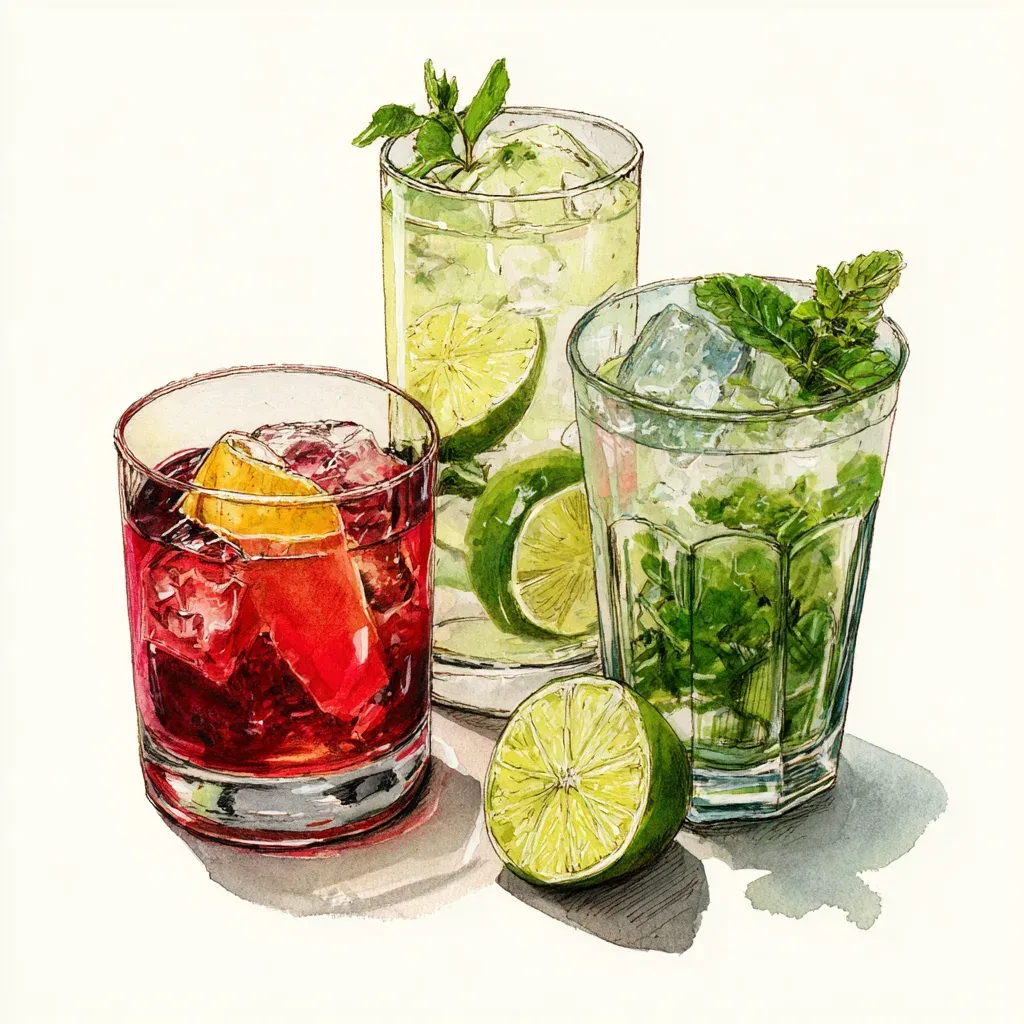
Three cocktails worth knowing cold
The gin martini (stirred). Elegant, spirit-forward, and quietly impressive. Chill a martini glass in the freezer for ten minutes before you need it. Add 2.5 oz gin and 0.5 oz dry vermouth to a mixing glass with ice and stir for 30 seconds. Strain into the chilled glass. Hold a lemon twist over the glass and bend it firmly to express the oils across the surface, then drop it in or rim the glass with it. The oils are not decoration: they change the aroma completely before the first sip.
The whiskey sour (shaken). Balanced, approachable, and difficult to get wrong. Add 2 oz bourbon, 0.75 oz fresh lemon juice, and 0.5 oz simple syrup to a shaker. For the foam layer that signals real technique, add one egg white and dry shake (no ice) for ten seconds first, then add ice and shake again for 15 seconds. Strain into a rocks glass over fresh ice. Add three drops of Angostura bitters on the foam and garnish with a cherry and orange slice. The bitters hold a pattern on the foam that looks deliberate without requiring any effort.
The mojito (built). Refreshing, aromatic, and genuinely fun to watch being made. Add 8 to 10 fresh mint leaves and 0.75 oz simple syrup to a tall glass and press the mint gently to release the oils (press, don’t shred: shredding makes it bitter). Add 2 oz white rum and 1 oz fresh lime juice. Fill with crushed ice, top with 2 to 3 oz club soda, stir briefly. Garnish with a mint sprig and lime wheel. This is the cocktail where you can bring your date into the process without losing control of the evening.
Five rules that actually change the outcome
Fresh juice only. Bottled citrus juice is flat, slightly oxidized, and a reliable way to make an otherwise good cocktail fall short. Squeezing fresh lemon or lime takes about 30 seconds. This single rule improves home cocktails more than any equipment upgrade.
Measure everything. Eyeballing creates drinks that are too strong or off-balance. A jigger costs very little and gives you consistent, repeatable results. Precision is how you recreate what you got right.
Use proper ice. Small cloudy freezer ice dilutes quickly and can carry faint freezer taste. Large, clear cubes melt slowly and look intentional. Ice molds cost almost nothing and the difference in presentation alone justifies them.
Chill the glassware. A warm glass warms the drink within 90 seconds. Ten minutes in the freezer beforehand keeps it cold for the full length of the first drink. This is invisible work, but your date will taste the difference.
Garnish with purpose. A citrus twist expressed over the glass releases aromatic oils that shift the nose of the drink entirely. Fresh mint adds aroma on every sip. The garnish should contribute something, not just sit there.
Building your home bar
Start with one spirit and one cocktail you know well. Then expand.
Phase 1: Bourbon or rye, gin, white rum, vodka, dry vermouth, Angostura bitters, simple syrup, fresh lemons and limes. These cover most classic cocktails.
Phase 2: Tequila blanco, triple sec or Cointreau, sweet vermouth, Campari, orange bitters. With these additions you can build a negroni, a margarita, and a spritz alongside everything from phase one.
Phase 3: Mezcal, Aperol, aged rum, premium gins and whiskeys. This is where the bar starts to feel like it has a personality.
One rule that applies across all three phases: keep the vermouth in the fridge. It oxidizes exactly like wine and goes flat within a month of opening. More disappointing martinis have been made with old, warm vermouth than from any other single mistake.
Simple syrup in five minutes
Simple syrup is the sweet element in most classic cocktails, and making it at home is genuinely fast. Combine one cup of water with one cup of white sugar in a small saucepan over medium heat. Stir until the sugar fully dissolves, remove from heat, cool completely, then refrigerate. It keeps for about two weeks.
For a richer, more concentrated version (2:1 ratio), use two cups of sugar to one cup of water. It’s sweeter and thicker, lasts closer to a month in the fridge, and means you use slightly less of it in recipes.
Granulated sugar stirred into a cold cocktail doesn’t dissolve evenly. Simple syrup incorporates instantly. Keep a jar of it in the fridge at all times.
Setting the scene
The cocktail is the first ten or fifteen minutes of the evening, and those minutes set the tone for everything after them.
Before your date arrives: glasses in the freezer, garnishes prepped, ingredients measured into small containers so nothing needs to be hunted for once they walk in. Ice ready. The goal is to look like this costs you nothing.
When they arrive, offer two or three options. Ask whether they lean sweet or strong, gin or whiskey, and then make the call yourself. Consideration followed by decisiveness is exactly the right combination. Make the drinks in front of them if the kitchen allows. A sentence or two about what you’re making is enough. Shake with confidence. The sound of a proper hard shake, the pour, the garnish going in: it’s a short performance and it lands.
Handing someone a drink you built specifically for them, something cold and balanced and thought through, creates a moment before the first meal has even started. That’s the actual reason to learn this. Not to show off, but because visible care is genuinely attractive.
For the dinner that follows, cacio e pepe holds up beautifully after a clean spirit-forward opener. Penne alla vodka was practically designed for a night that starts with cocktails. Browse more dinner recipes to round out the rest of the menu. If the evening calls for leaving the kitchen to someone else, the Hoogan et Beaufort review covers the best option in Montreal for a tasting menu dinner worth planning around.
Related Recipes
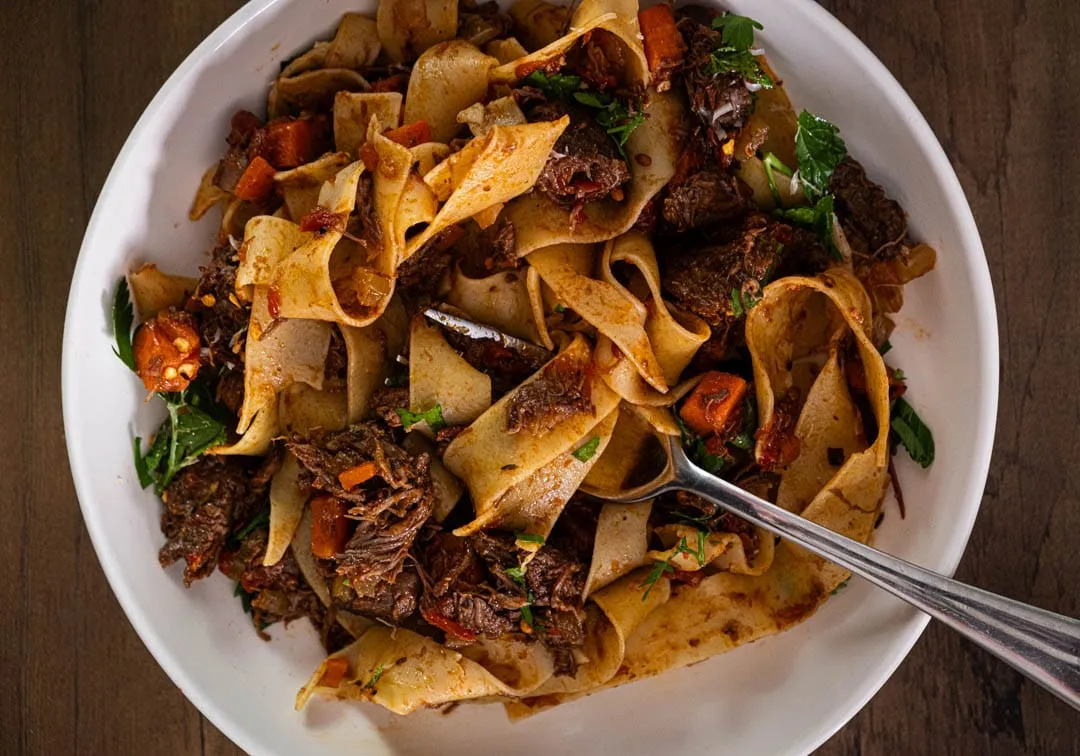
Slow-Cooked Beef Ragu with Pappardelle Pasta
The slow-cooked ragu that says 'I've been thinking about you all day.' Chuck roast, red wine, and pappardelle worth every minute.
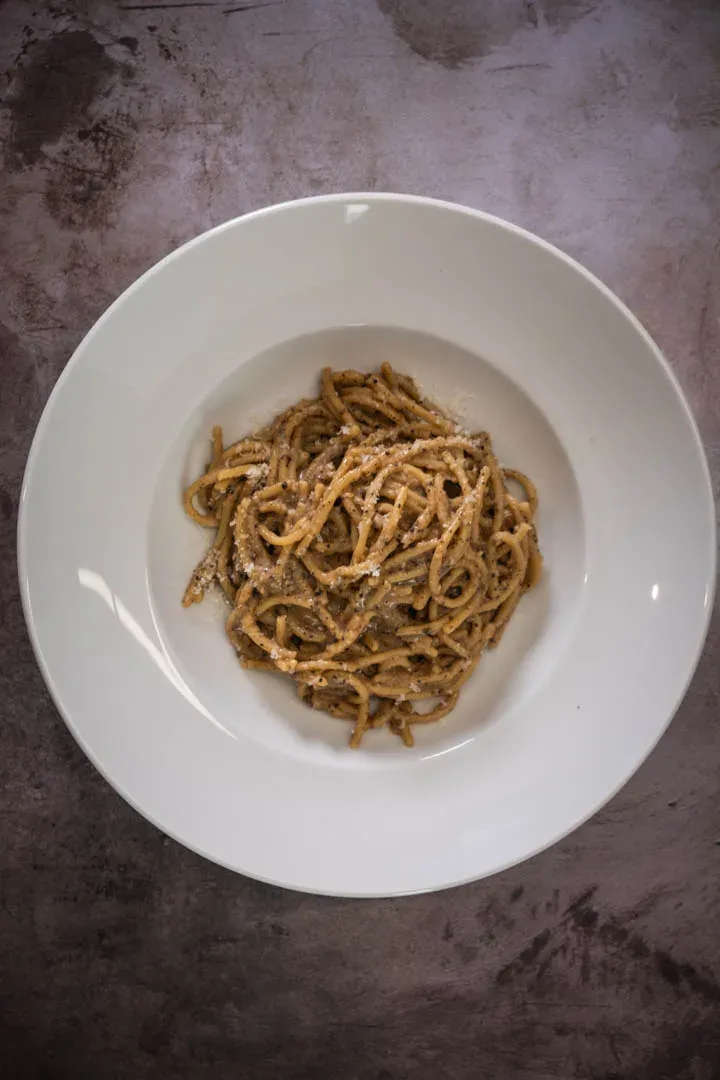
Authentic Cacio e Pepe Recipe
Five ingredients. Zero cream. The Roman pasta that makes your date put their phone down mid-bite. Cheese, pepper, and pure confidence.
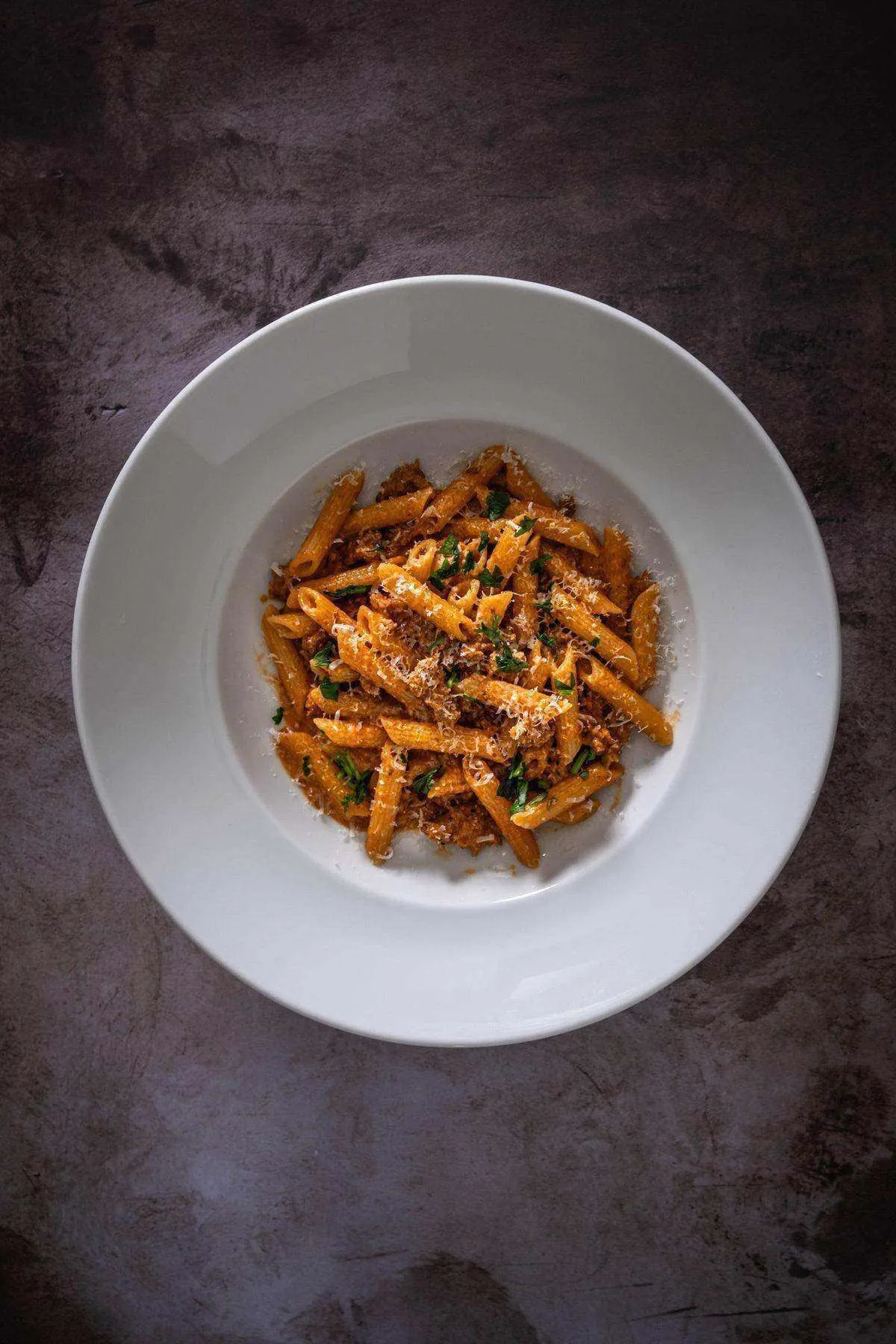
Creamy Penne alla Vodka with Italian Sausage
Creamy blush sauce with crumbled Italian sausage and fennel. This elegant penne alla vodka earns the candlelight and the playlist.
Victor Vu
Victor is a Montreal home cook with a decade of experience developing date night recipes. Every dish is tested at least three times before publishing.
About the author →Frequently Asked Questions
Can I make cocktails without a shaker?
A mason jar with a lid shakes surprisingly well, and a large glass with a bar spoon handles stirring just fine. Not ideal, but it works. The technique matters more than the vessel.
How long does vermouth last after opening?
About a month in the fridge, tightly sealed. Treat it like an open bottle of wine. Old room-temperature vermouth is the quiet killer of otherwise excellent martinis.
What if my date doesn't drink alcohol?
Make the mocktail version. Same technique, same glassware, same garnish. Use flavored soda or a non-alcoholic spirit in place of the base. The craft still comes through clearly.
Should I ask what they want or just make something?
Ask about their preference (sweet versus strong, gin versus whiskey), then make the choice yourself. Shows consideration without asking for permission. That balance reads well.
Is expensive liquor necessary?
For spirit-forward drinks like a martini or old fashioned, quality is noticeable. For citrus-heavy cocktails like a mojito or margarita, a solid mid-range bottle does the job.