The Foolproof Egg Formula
Eggs don't lie. The foolproof formula for perfect scrambled, fried, poached, and soft-boiled eggs, so your morning-after breakfast actually impresses.

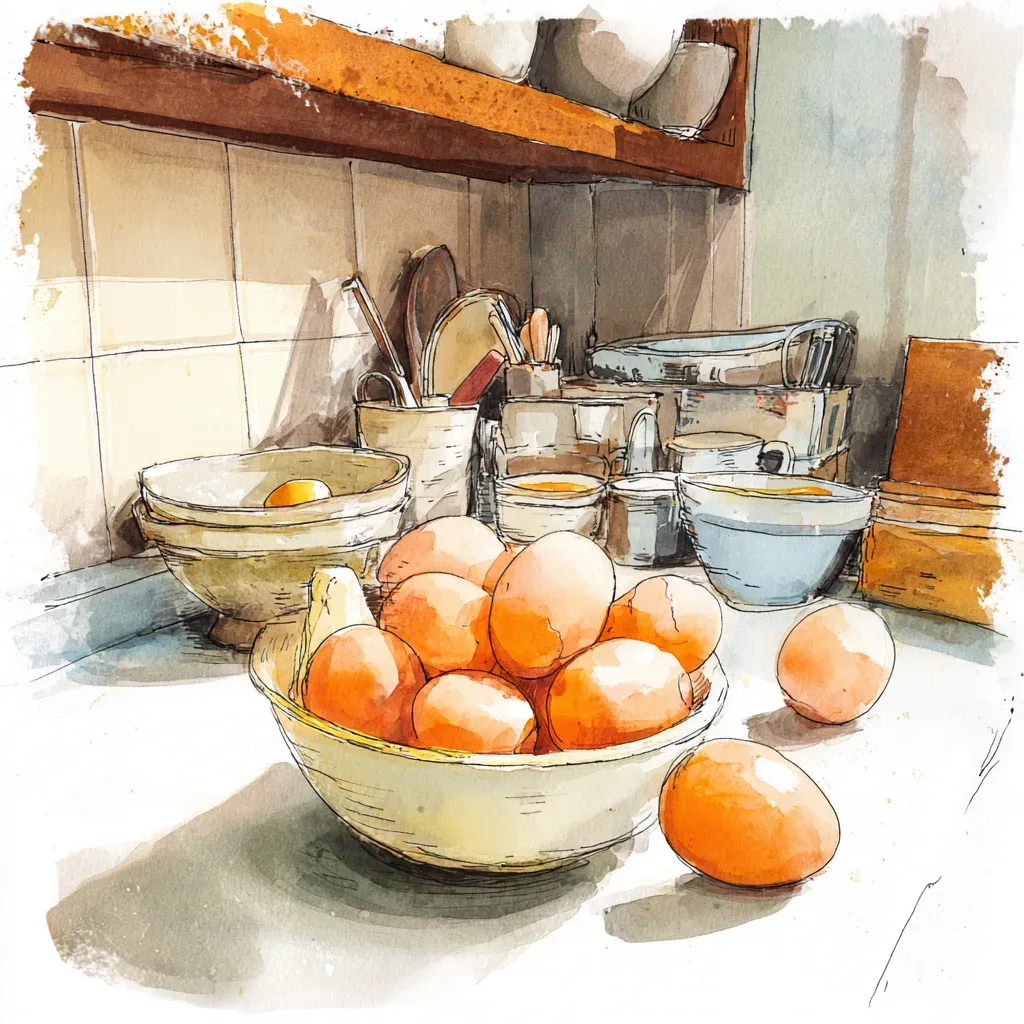
There is one cooking test that professional kitchens still use in job interviews: cook eggs. Not braised short ribs, not a sauce requiring hours of classical training. Just eggs. The simplest, cheapest ingredient in the kitchen, and the one that exposes exactly how much control you have over heat, timing, and patience. Chefs pick this test for a reason. Eggs don’t lie.
For a morning-after breakfast or a weekend brunch date, perfectly cooked eggs land differently. They show that you cook with intention, not just for sustenance. The difference between rubbery scrambled eggs and a plate of silky, glossy curds tells your date everything about your kitchen confidence, without a word. This is the foolproof egg formula: four methods, four principles, and every common mistake mapped out so you stop guessing.
Why eggs are the hardest easy thing to cook
Eggs are unforgiving in a way most ingredients are not. A steak overdone by a minute can be forgiven. An overcooked egg announces itself immediately: rubbery whites, grey yolks, watery scramble. They don’t recover once they’ve gone too far, and they go too far faster than almost anything else in the pan.
That’s what makes mastering them worth the effort. When you put a plate of perfect soft scrambled eggs in front of someone, or a cleanly executed poached egg that holds its shape without a wispy white trailing behind, the message is clear: you know what you’re doing.
The four principles that govern all egg cooking
Four principles apply across every egg preparation. Skip one and no amount of technique saves you.
Low and slow is the most important. Eggs cook fast, and high heat creates rubber. Medium-low for scrambled, medium for fried, a bare simmer for poached: every method has a heat ceiling, and it’s lower than most people expect. Your instinct is to rush it. Eggs reward the opposite.
Pull them before they’re done. Carryover cooking continues for 30 to 60 seconds after you cut the heat, depending on the pan and the temperature retained. Scrambled eggs that look perfect in the pan are overcooked on the plate. Remove everything slightly underdone and let the carry finish.
Fresh eggs matter more than you think. Eggs under two weeks old have tighter whites and taller yolks. They fry cleaner, poach without falling apart, and scramble with more body. The float test works: a fresh egg sinks flat in a glass of water. An old egg tilts or floats. Check before you commit, especially for poaching.
Room temperature eggs cook more evenly. Pull them from the fridge 10 minutes before you start. Cold eggs dropped into a hot pan cook unevenly at the edges before the center has a chance to catch up.
Scrambled eggs: the French method
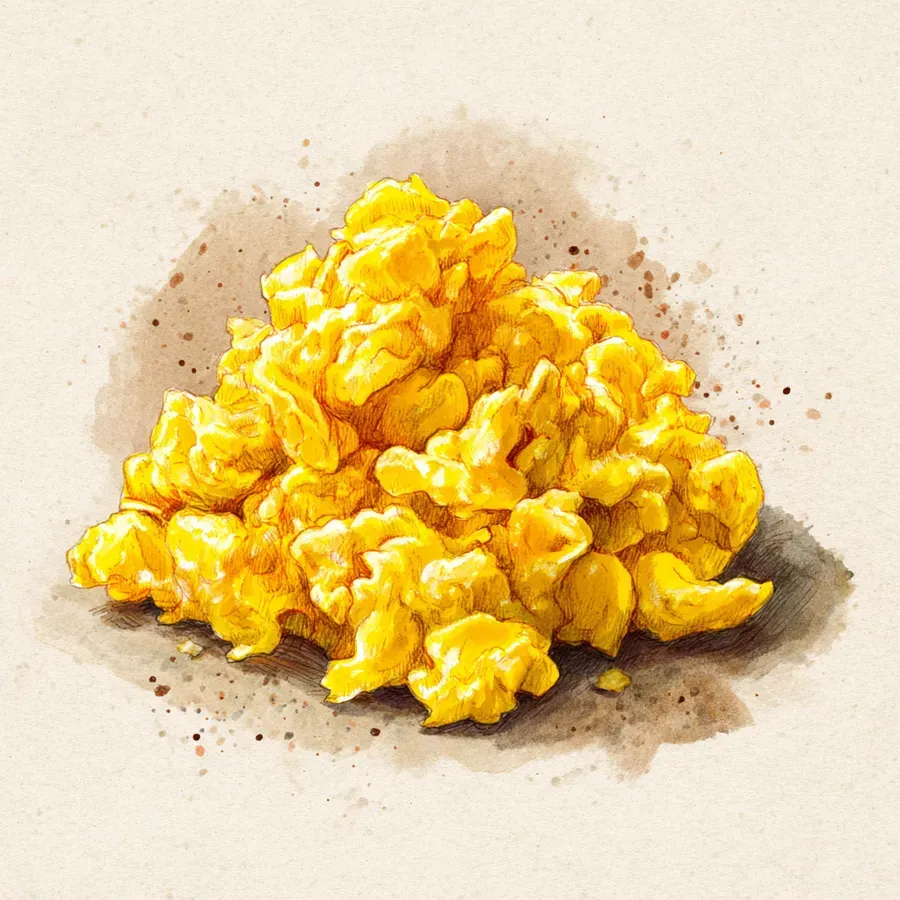
French scrambled eggs look unassuming and taste extraordinary. Silky, soft, almost custard-like, with small curds that hold their richness rather than squeeze it out. Three eggs, one tablespoon of butter, five minutes of attention.
Whisk eggs thoroughly until no streaks of white remain. Heat a pan over medium-low and melt the butter without browning it: the moment butter browns, the heat is too high. Add the eggs, let them sit untouched for 10 seconds, then begin stirring in a figure-eight pattern with a silicone spatula, scraping the bottom and sides continuously. Three to five minutes of constant gentle motion builds small, soft curds that stay glossy.
Remove when the eggs look slightly wet and underdone. Off heat, add a tablespoon of creme fraiche or cold butter for extra richness if you want it. Season with salt and pepper only after cooking: salt draws moisture from the proteins before they’ve set, which produces watery, dense curds instead of silky ones. Serve immediately. They wait for no one. (For deeper flavor without burn risk, clarified butter works better than whole butter once you’ve made it once.)
Fried eggs: crispy edges and a runny yolk
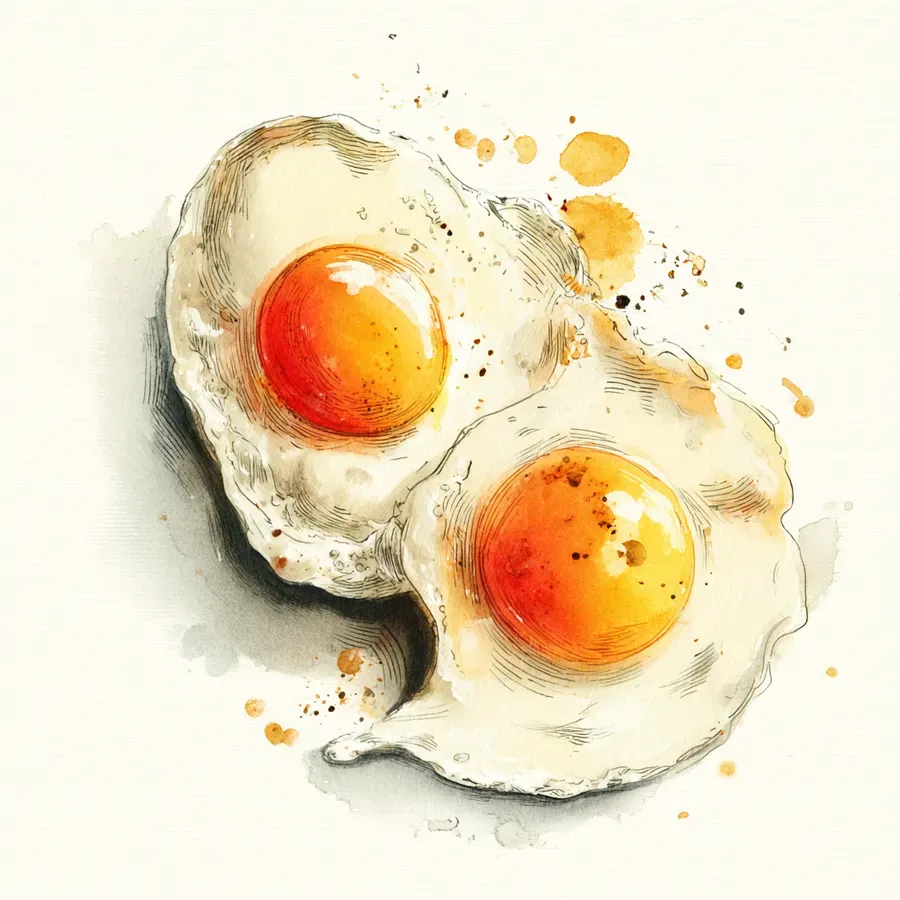
For fried eggs, the goal is a white that’s fully set with crispy, slightly translucent edges and a yolk that’s warm and liquid throughout. Heat matters more here than in any other preparation: you need a genuinely hot pan before the fat goes in.
Bring the pan to medium-high. Add one to two tablespoons of butter or oil. Crack your eggs into a small bowl first rather than directly into the pan: this lets you spot any shell fragments and slide them in cleanly. The moment the eggs hit the hot fat, they should sizzle immediately. Two to three minutes undisturbed sets the whites and produces those lacey, golden edges.
For sunny-side up, cover the pan briefly or baste the top of the yolk with hot butter. For over-easy, one gentle flip and 30 seconds more. Season with salt and pepper after cooking, not before.
Poached and soft-boiled eggs
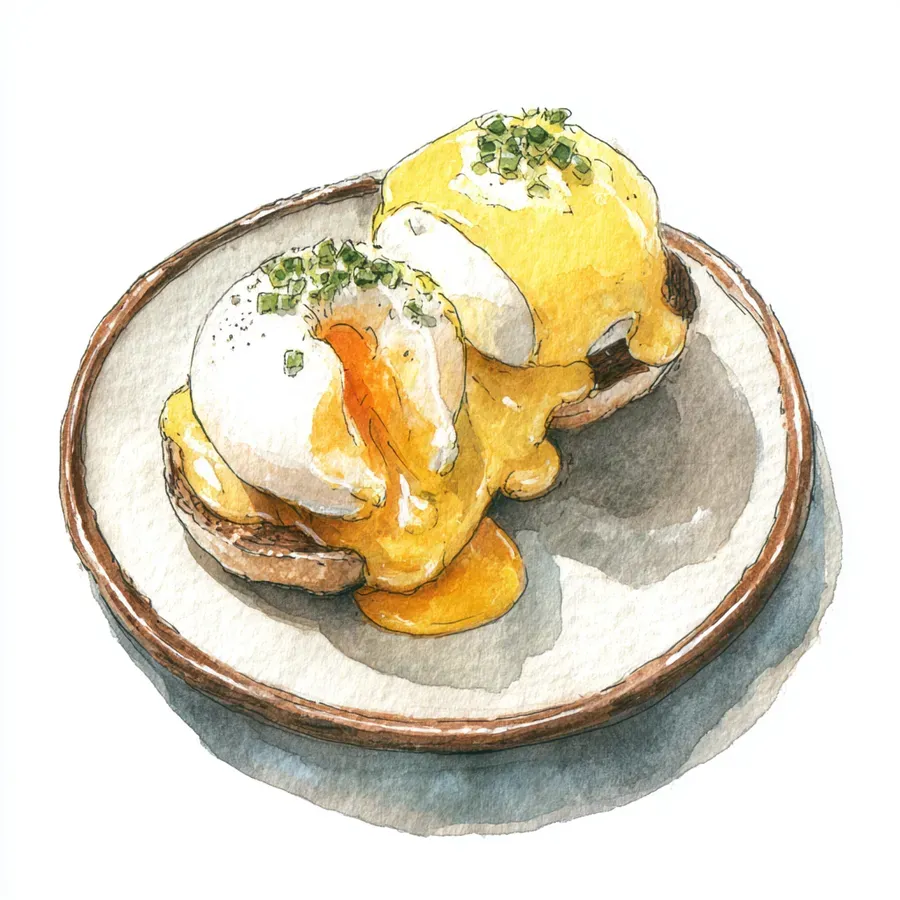
Poached eggs have a harder reputation than they deserve. The technique is simple; the variables are just less forgiving. Fresh eggs are non-negotiable: whites from old eggs disperse in the water and you’re left with a ragged mess. Bring water to a bare simmer, just below a boil, and add a tablespoon of white vinegar. The acidity helps the whites coagulate faster, keeping the egg compact around the yolk.
Crack each egg into a small bowl. Create a gentle swirl in the water with a spoon, then slide the egg from the bowl into the center of the whirlpool. Three to four minutes produces a fully set white with a warm, runny yolk. Remove with a slotted spoon and drain briefly on a paper towel. Practice this once alone before brunch. Do it twice and the technique sticks.
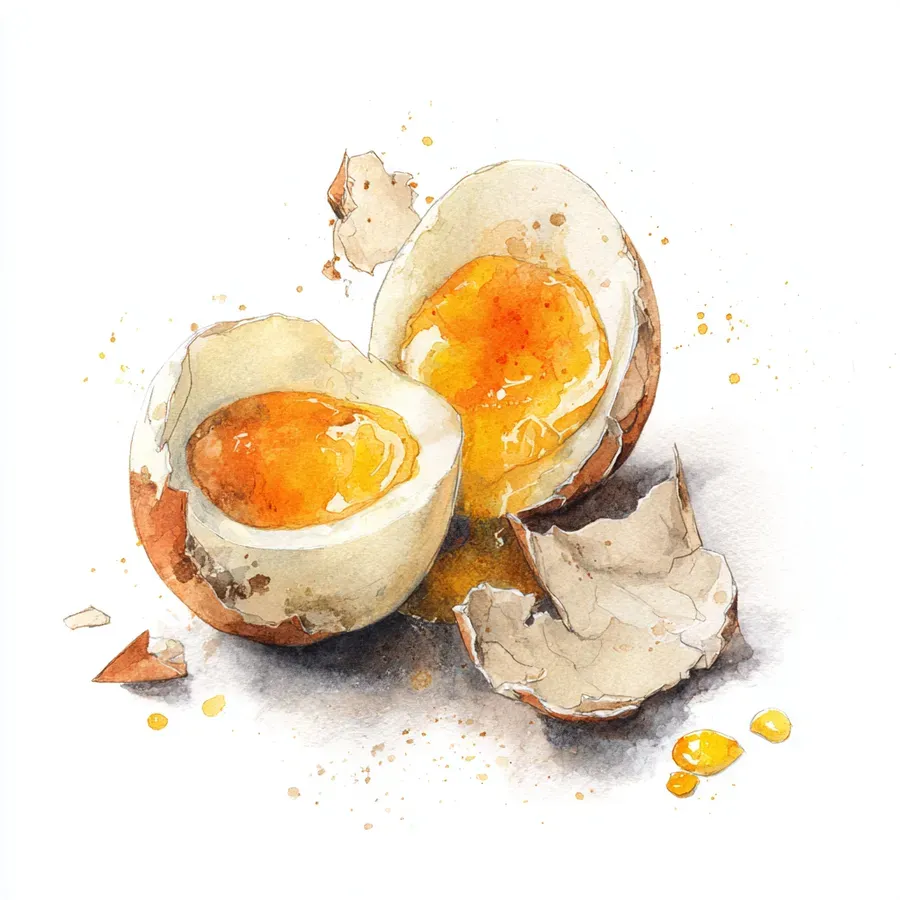
Soft-boiled eggs are the most precise and the most forgiving at the same time. The cooking is entirely hands-off once the timer starts. A full rolling boil, eggs lowered in gently with a spoon, timer set. Six minutes gives a liquid yolk with a set white. Seven minutes produces a jammy, custard-like center, which is the target for toast, grain bowls, or ramen. Eight minutes gives a fully set but still soft yolk.
Don’t skip the ice bath. Transfer immediately from boiling water to ice water to stop carryover cooking. The timing only works if you stop it deliberately. Peel from the wide end where the air pocket sits, under running water, and the shell comes away cleanly.
Omelets: French versus American
Two philosophies on what an omelet should be.
The French omelet is technique for its own sake: 60 to 90 seconds, medium heat, constant motion. Beat eggs with a fork, add them to a hot butter pan, then shake the pan and stir simultaneously with the flat of the fork. The exterior stays pale and smooth, with zero browning. The inside is creamy and slightly underdone when you roll it onto the plate. It looks effortless, takes practice to execute without hesitation, and tastes better than it has any right to.
The American omelet is more practical and more forgiving. Medium heat, eggs allowed to set for 30 seconds, then lift the edges and tilt to let uncooked egg flow underneath. Add fillings when mostly set, fold in half. It browns slightly, holds fillings better, and takes about three minutes total. For a brunch date where you’re managing multiple things at once, the American version is the smarter call.
Common mistakes that ruin eggs
The most consistent error is heat that’s too high. If your scrambled eggs are dry and crumbly, your fried whites are tough, or your omelet is browned outside and raw in the middle, the pan is too hot. Every method has a ceiling, and most home cooks cook steadily above it.
Scrambled eggs seasoned before cooking go watery. Salt pulls moisture out of the proteins before they’ve set, which produces dense, wet curds instead of silky ones. Season after you pull from the heat.
Old eggs poach badly. The whites disperse in thin threads across the water. Under a week old is ideal. For everything else, two to three weeks from the sell-by date is fine.
The ice bath on soft-boiled eggs isn’t optional. Skip it and carryover cooking turns a 7-minute result into a 9-minute one while you’re plating. It takes 10 seconds to set up. Use it.
The morning-after formula
Preparation matters less than execution. A plate of soft scrambled eggs on toast with fresh herbs communicates more about your cooking than an ambitious Eggs Benedict that took 25 minutes and left the kitchen in chaos.
Start with the method you can actually execute. Soft scrambled is the most forgiving by far. Fried eggs are faster but the heat has to be right. Poached eggs look the most impressive and need fresh eggs, but do them twice before company and the technique sticks. Choose based on what’s in the fridge and what you’ve practiced, not what sounds impressive.
If you want to go deeper on egg yolks as a sauce base, Miso Udon Carbonara builds around them in a way that makes the technique visible. To see eggs doing structural work in pastry rather than a pan, Pâte à Choux uses the same protein logic at high heat to build something that has nothing to do with breakfast.
Perfect eggs at breakfast signal something specific. Not flash, not ambition: control. That’s harder to fake than a three-course dinner, and most people can tell the difference.
Related Recipes
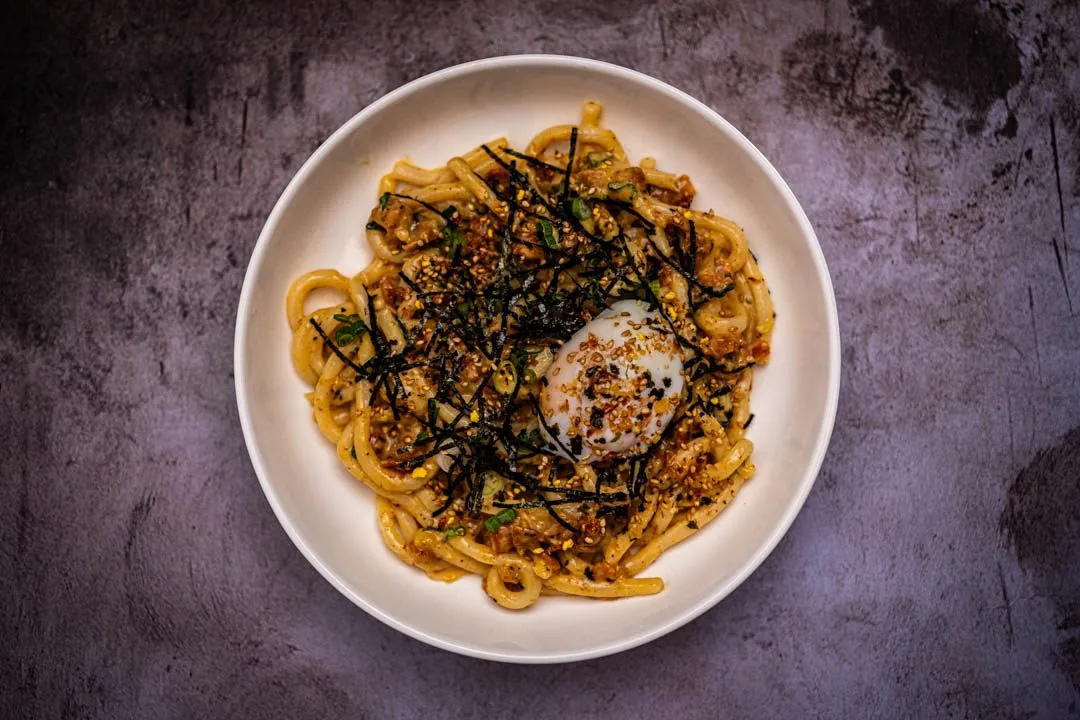
Miso Udon Carbonara (Silky, No-Cream)
Chewy udon noodles in a silky egg yolk and cheese sauce with white miso and crispy bacon. No cream, 20 minutes, genuinely impressive.
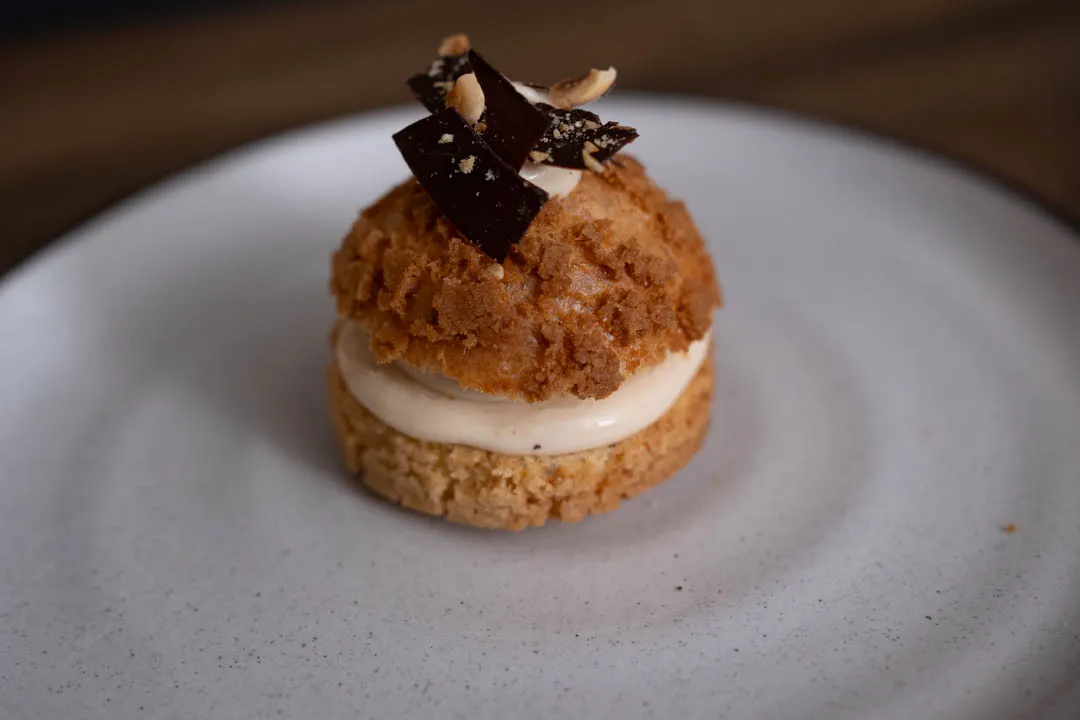
Pâte à Choux (Foolproof Recipe)
Light, crisp choux pastry that puffs into hollow shells for cream puffs, eclairs, or cheesy gougeres. One dough, endless possibilities.
Victor Vu
Victor is a Montreal home cook with a decade of experience developing date night recipes. Every dish is tested at least three times before publishing.
About the author →Frequently Asked Questions
How do I know if my eggs are fresh enough to use?
Drop one in a glass of water. A fresh egg sinks flat. An old egg tilts upright or floats, because the air pocket inside grows as moisture evaporates through the shell. For poaching, under a week old is ideal. For scrambled or fried, use them within two to three weeks of the sell-by date.
Why do my scrambled eggs turn watery?
Overcooked, almost certainly. When egg proteins are pushed too hard by heat, they contract and squeeze out moisture the same way a wrung-out sponge does. Remove the pan from heat while the eggs still look slightly underdone and glossy. Carryover cooking finishes the job without the puddle.
Can I make poached eggs ahead of time?
Yes, and it's how restaurants serve them at volume. Poach until the white is just set, transfer immediately to ice water, and refrigerate for up to two days. To serve, lower them gently into simmering water for 60 seconds to reheat. They come out perfectly.
What causes the green ring around a hard-boiled yolk?
Iron sulfide, formed when sulfur in the white reacts with iron in the yolk under excess heat. It's harmless but completely avoidable: don't overcook the eggs, and transfer them to an ice bath immediately after cooking to stop carryover. A well-timed egg won't have one.
Does adding milk to scrambled eggs make them better?
No. Milk dilutes the proteins and produces thinner, watery curds. For creamier scrambled eggs, add a knob of cold butter or a spoonful of creme fraiche off the heat at the very end. That's the French method, and it produces a result that milk never quite delivers.