Pâte à Choux (Foolproof Recipe)
Light, crisp choux pastry that puffs into hollow shells for cream puffs, eclairs, or cheesy gougeres. One dough, endless possibilities.

Prep
15 min
Cook
30 min
Total
45 min
Difficulty
Hard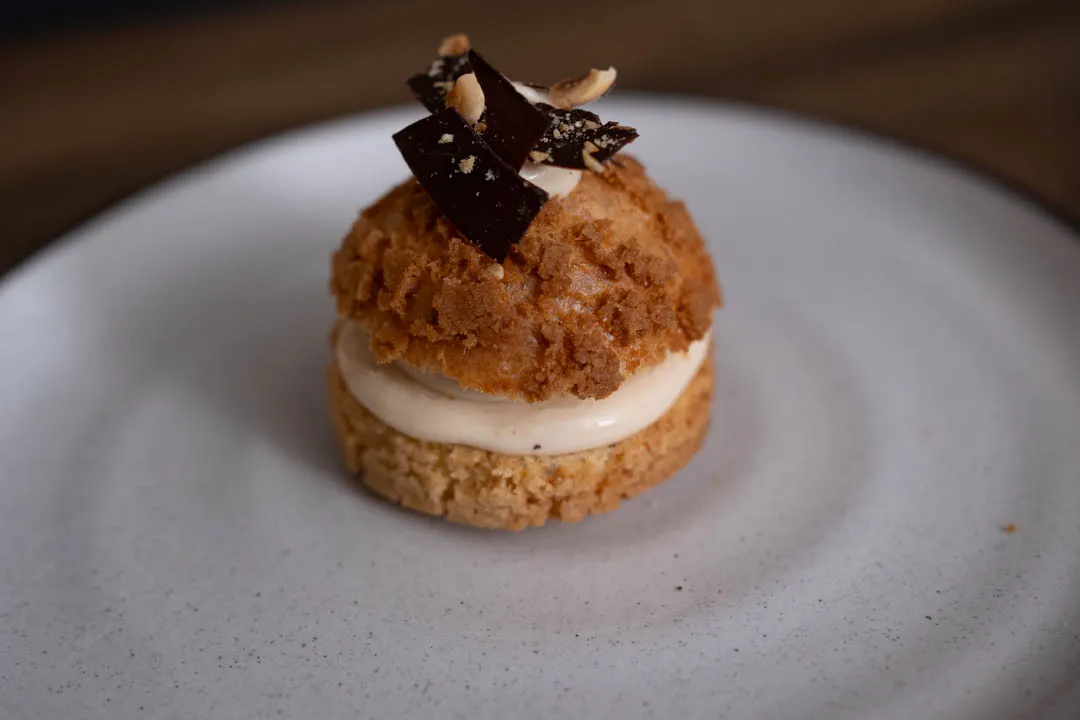
Pâte à choux is one of those “looks like you know what you’re doing” doughs. You make it once, pipe a few puffs, and suddenly dessert feels like it came from a pastry shop. It’s not just dessert energy. It’s competence energy. This dough is the foundation for cream puffs, eclairs, profiteroles, Paris-Brest rings, and even savory gougères. If you can nail this, you’ve basically unlocked a whole wing of the French bakery.
And if you’re cooking for a date, this is the kind of thing that gets you that look across the table that says, “Okay, so you do have range.”
What pâte à choux actually is
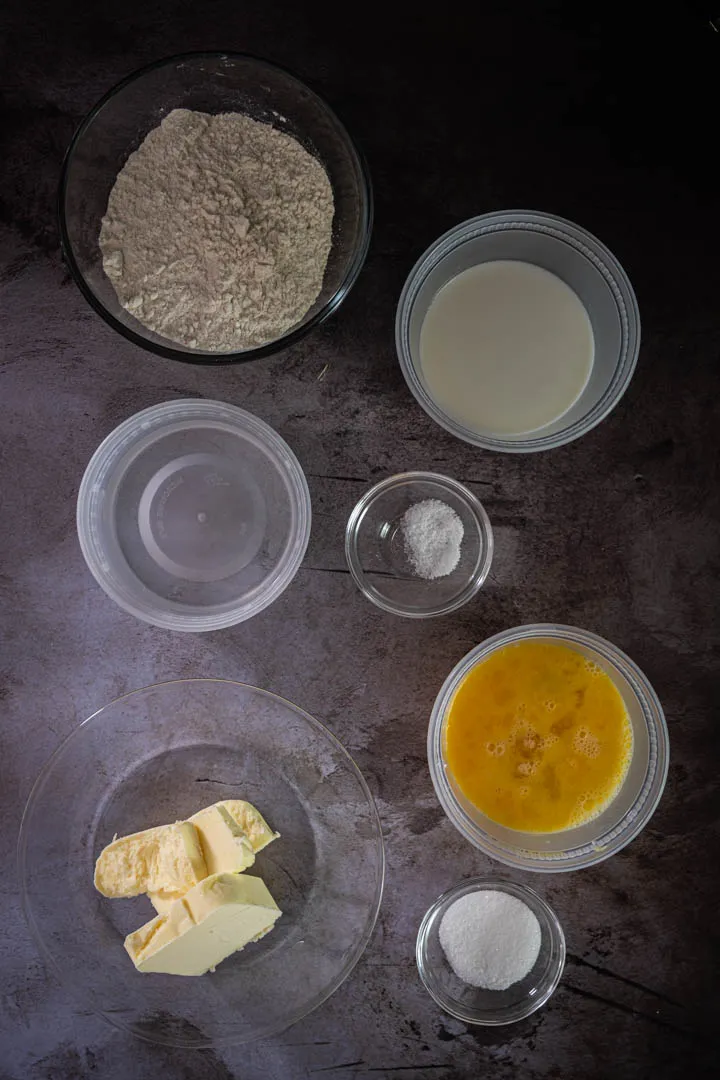
Pâte à choux (pronounced “pat-ah-shoo”) is a light pastry dough that gets cooked twice. First, you cook the dough on the stovetop to create a smooth paste called the panade. Then you bake it so the moisture turns into steam, which inflates the dough into a hollow, crisp shell. No yeast. No baking powder. Just technique.
That hollow center is the whole point. Fill it with pastry cream, whipped cream, ice cream, or go the savory route and let melted Gruyère live inside a gougère. The water and milk split in the recipe is deliberate: water gives you better puff and structure, milk gives you flavor and nicer browning, and the half-and-half ratio hits both. Bread flour is the quiet hero here. Higher protein means a stronger gluten network, which means shells that hold their shape as they expand. All-purpose works in a pinch, but bread flour gives you more forgiveness if your technique is still developing.
Eggs do the most work. Moisture, structure, sheen, and elasticity all at once. The dough needs enough egg to be pipeable and glossy, but not so much that it spreads flat on the baking sheet. This is the one variable that changes slightly every time you make it. Choux is one of the few recipes where you can actually see eggs doing their job in real time. The Foolproof Egg Formula explains why the dough shifts with each addition.
The big secret: knowing when the dough is right
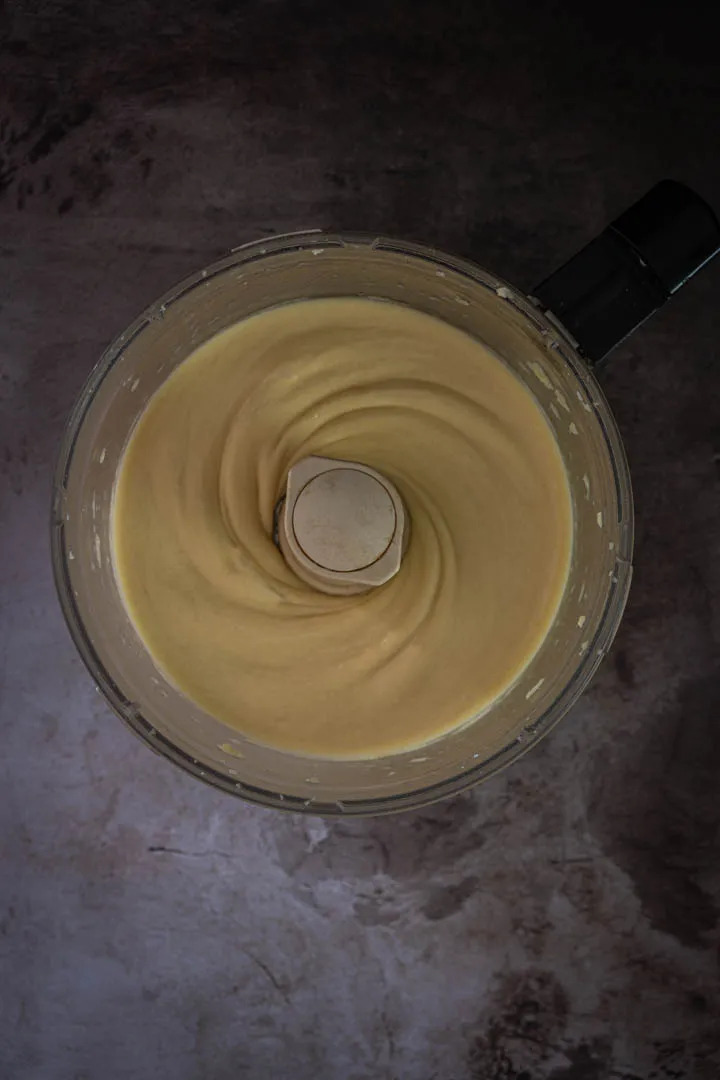
Choux is one of those recipes where the exact number of eggs can vary slightly depending on how much moisture cooked off in the pan. You want dough that is smooth and glossy, thick but pipeable, able to hold a peak that gently droops. Not stiff like frosting, not runny like batter.
If you’re ever unsure, you’re better off stopping slightly short than making it too loose. Too much egg means spread-out, flat puffs that never inflate properly. You can always add a tablespoon more. You can’t take it back. The drying step on the stovetop is where most people lose this recipe. Stir constantly for about three minutes until the dough feels dry to the touch, targeting 165-175 F (74-79 C) on an instant-read thermometer. Rush this step and the panade holds too much water, which throws off the egg ratio before you even start adding them.
From panade to piping bag
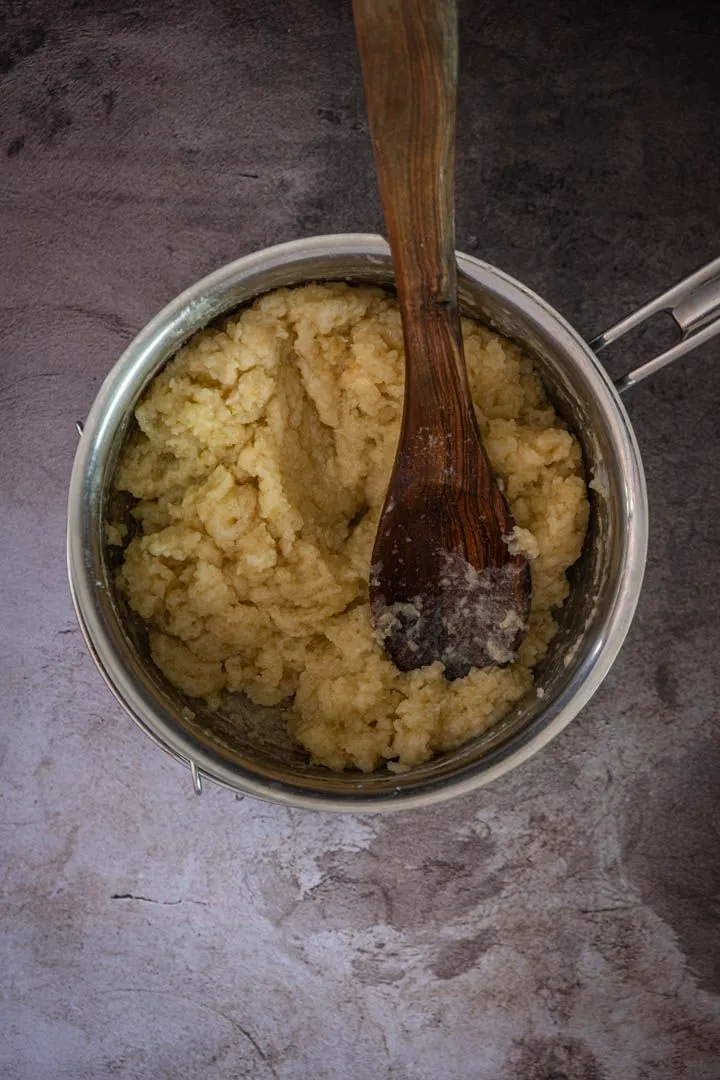
Transfer the hot dough to a food processor and let it spin for about 30 seconds to cool to 140-145 F (60-63 C). Then, with the processor running, stream in the beaten eggs slowly. Process until the dough is smooth, glossy, and homogenous. No food processor? A stand mixer with the paddle works fine. Beat the dough for a minute to cool it, then add eggs gradually on medium speed.
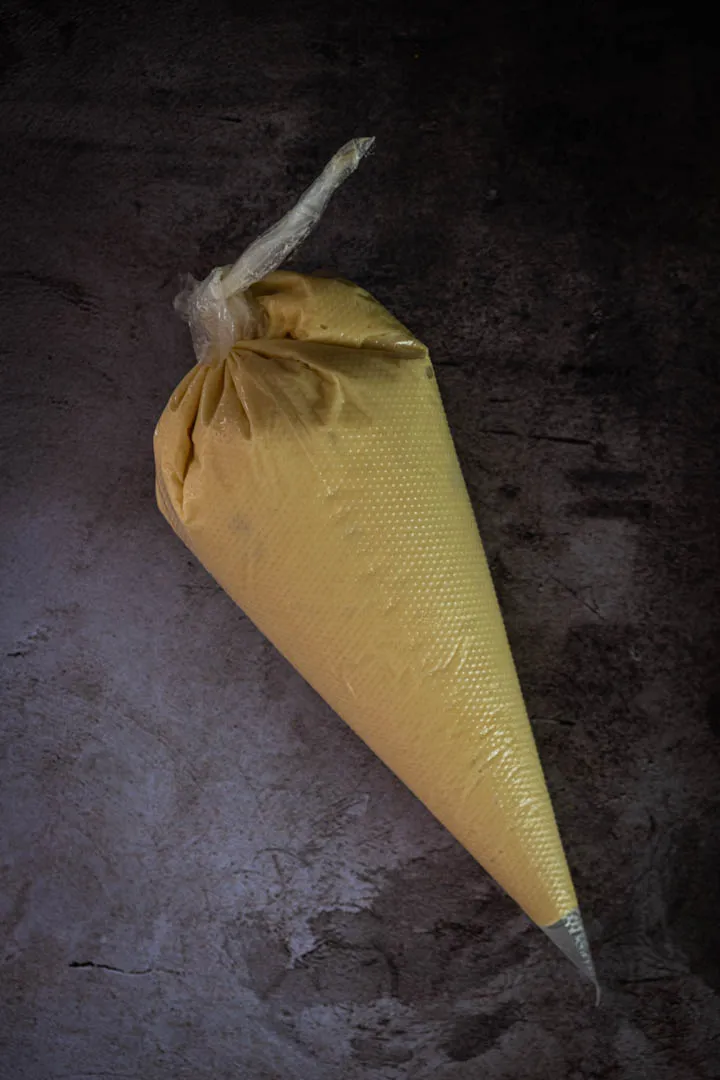
Load the finished dough into a piping bag and refrigerate for about 30 minutes. Resting firms the dough so it holds its shape and pipes cleanly instead of spreading. When you pipe, go straight down, not at an angle. Keep the tip close to the tray so you don’t create “tails.” If you do get little peaks, dab your finger in water and gently press them down so they don’t burn.
Baking rules and troubleshooting
Bake hot enough to create steam quickly. That steam is the lift. Don’t open the oven early. If you open the door before the shells set, they can deflate and there’s no recovering from that. Dry them out at the end: even after they’re browned, a few extra minutes at lower heat helps evaporate moisture so they stay crisp. If your puffs look beautiful but collapse as they cool, they usually needed more bake time to dry out.
A few things that go wrong and what causes them. Dough too stiff? You cooked off too much moisture in the drying step. Add egg a tablespoon at a time. Dough too loose and spreading instead of puffing? Too much egg. You went past the sweet spot. Puffs that don’t rise at all usually mean the oven wasn’t hot enough, the dough was too wet, or you opened the door too early. And puffs that rise beautifully then sink as they cool weren’t baked long enough to dry out. Perfectly browned on the outside doesn’t always mean done on the inside.
The gougères variation and making it a date
Gougères are the savory, cheesy version of choux: crisp outside, tender inside. They’re also an elite move for a date-night snack board. Wine, cheese puffs, a little music, and suddenly the night feels curated. After the eggs are incorporated, fold in 150 g of grated Gruyère and process until evenly mixed. Extra credit: add a pinch of black pepper or cayenne. Not enough to make it “spicy.” Just enough to make it interesting.
If you want to make pâte à choux feel like a whole moment, here’s the move. Pipe and bake the shells earlier in the day. Right before serving, crisp them for a few minutes in a low oven. Fill them at the last second so they stay crisp. Cream puffs that crunch lightly when you bite in? That’s the kind of detail people remember.
Pile them into a small tower, dust with powdered sugar, and drizzle chocolate right at the table. Or go the gougère route and serve them warm alongside cocktails. Either way, you’re the person who made French pastry from scratch.
Browse all date night recipes for more ideas to build around. If you’re just getting into French technique, beef ragu pappardelle is a slower, equally rewarding project. For something quicker with the same level of flair, miso udon carbonara comes together in 20 minutes flat.
Pâte à Choux (Foolproof Recipe)
Instructions
Make the Panade
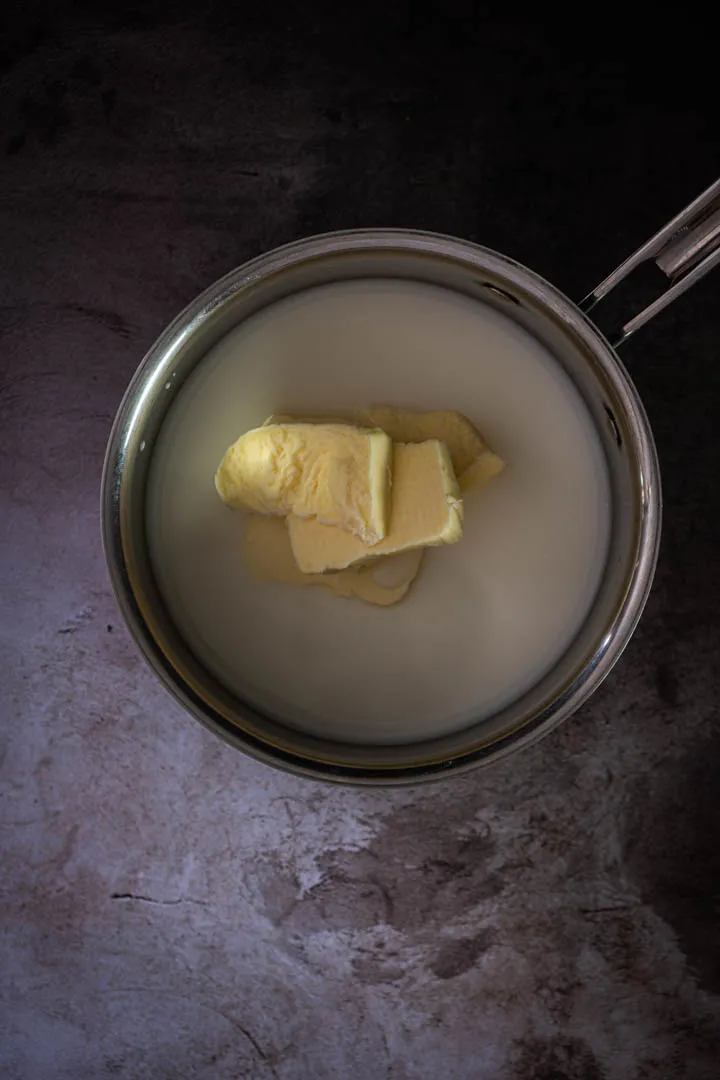
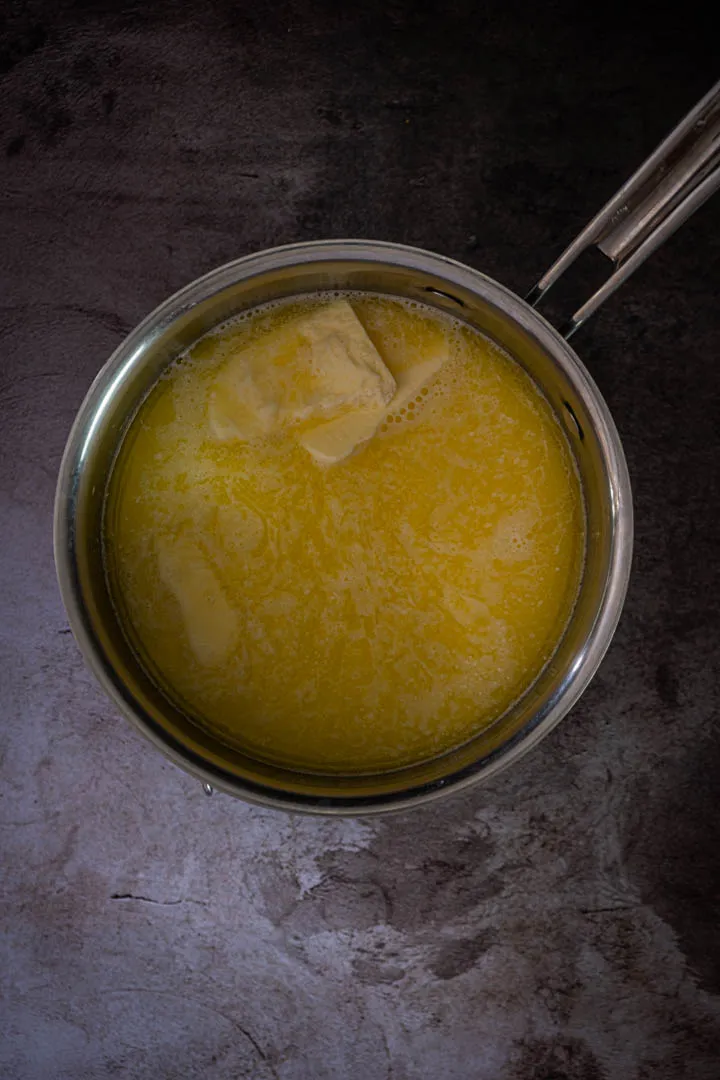
In a 3-quart saucepan, combine water, milk, butter, sugar, and salt. Bring to a full boil over medium heat.
Remove from heat. Add the flour all at once. Stir vigorously until the mixture forms a smooth ball and pulls away from the sides of the pan. No dry flour should remain.
Dry the Dough
Return the saucepan to medium heat. Cook, stirring frequently, until the dough feels dry to the touch and reaches 165-175°F (74-79°C) on an instant-read thermometer, about 3 minutes.
Incorporate the Eggs
Transfer the dough to a food processor. Process until the dough cools to 140-145°F (60-63°C), about 30 seconds.
With the processor running, slowly stream in the beaten eggs. Process until fully incorporated, about 20 seconds. Scrape down the sides and bottom, then process again until smooth and glossy, about 30 seconds more.
Rest and Pipe
Transfer the choux dough to a piping bag fitted with a 1/2-inch round tip (cream puffs) or a closed star tip (gougères). Refrigerate until firm to the touch and within 70-80°F (21-27°C), about 30 minutes.
Pipe straight down onto a lined baking sheet, keeping the tip close to the tray. Dab any peaks with a wet finger so they don't burn during baking.
Date Night Tips
Wine Pairing
Champagne or a crisp Cremant d'Alsace pairs perfectly with both sweet cream puffs and savory gougères. The bubbles cut through the richness and keep the mood celebratory.
Music
Classic French cafe jazz, something with piano and a light touch. Think quiet confidence, not background noise.
Plating
Pile cream puffs into a small tower on a clean plate, dust with powdered sugar, and drizzle chocolate over the top right before serving. For gougères, stack them in a linen-lined bowl so they stay warm.
Enjoy your meal!
The Official Recipe
Pâte à Choux (Foolproof Recipe)
Nutrition(Per serving)
55 kcal
Calories
3.5g
Fat
4g
Carbs
2g
Protein
Ingredients
Choux Dough
Gougères Variation (Optional)
Instructions
Make the Panade
In a 3-quart saucepan, combine water, milk, butter, sugar, and salt. Bring to a full boil over medium heat.
Remove from heat. Add the flour all at once. Stir vigorously until the mixture forms a smooth ball and pulls away from the sides of the pan. No dry flour should remain.
Dry the Dough
Return the saucepan to medium heat. Cook, stirring frequently, until the dough feels dry to the touch and reaches 165-175°F (74-79°C) on an instant-read thermometer, about 3 minutes.
Incorporate the Eggs
Transfer the dough to a food processor. Process until the dough cools to 140-145°F (60-63°C), about 30 seconds.
With the processor running, slowly stream in the beaten eggs. Process until fully incorporated, about 20 seconds. Scrape down the sides and bottom, then process again until smooth and glossy, about 30 seconds more.
Rest and Pipe
Transfer the choux dough to a piping bag fitted with a 1/2-inch round tip (cream puffs) or a closed star tip (gougères). Refrigerate until firm to the touch and within 70-80°F (21-27°C), about 30 minutes.
Pipe straight down onto a lined baking sheet, keeping the tip close to the tray. Dab any peaks with a wet finger so they don't burn during baking.
Victor Vu
Victor is a Montreal home cook with a decade of experience developing date night recipes. Every dish is tested at least three times before publishing.
About the author →Frequently Asked Questions
Can I use all-purpose flour instead of bread flour?
You can, and it will still work. Bread flour has more protein, which gives the shells a sturdier structure and a better rise. All-purpose produces slightly softer, less crisp puffs. If that is all you have on hand, go for it. Just know the shells may be a touch more delicate.
How do I know when the dough has enough egg?
You want dough that is smooth, glossy, and thick enough to hold a peak that slowly droops when you lift the spoon. If the peak stays stiff, you need more egg. If the dough slides off the spoon freely, you have gone too far. Stop adding egg slightly before you think it is ready.
Why did my puffs rise and then collapse?
Almost always under-baking. Choux needs enough time in the oven to dry out the interior, not just brown the outside. If you pull them too early, the steam trapped inside condenses as they cool and the shells cave in. Give them a few extra minutes at lower heat after they look done.
Can I make the dough ahead of time?
Yes. Pipe the shapes onto a lined baking sheet, freeze them uncovered until solid, then transfer to a zip-lock bag. Bake straight from frozen, adding 2 to 3 minutes to the bake time. The dough also holds in the fridge for up to 24 hours before piping, though freshly made dough pipes more cleanly.
You might also like
Continue your culinary journey
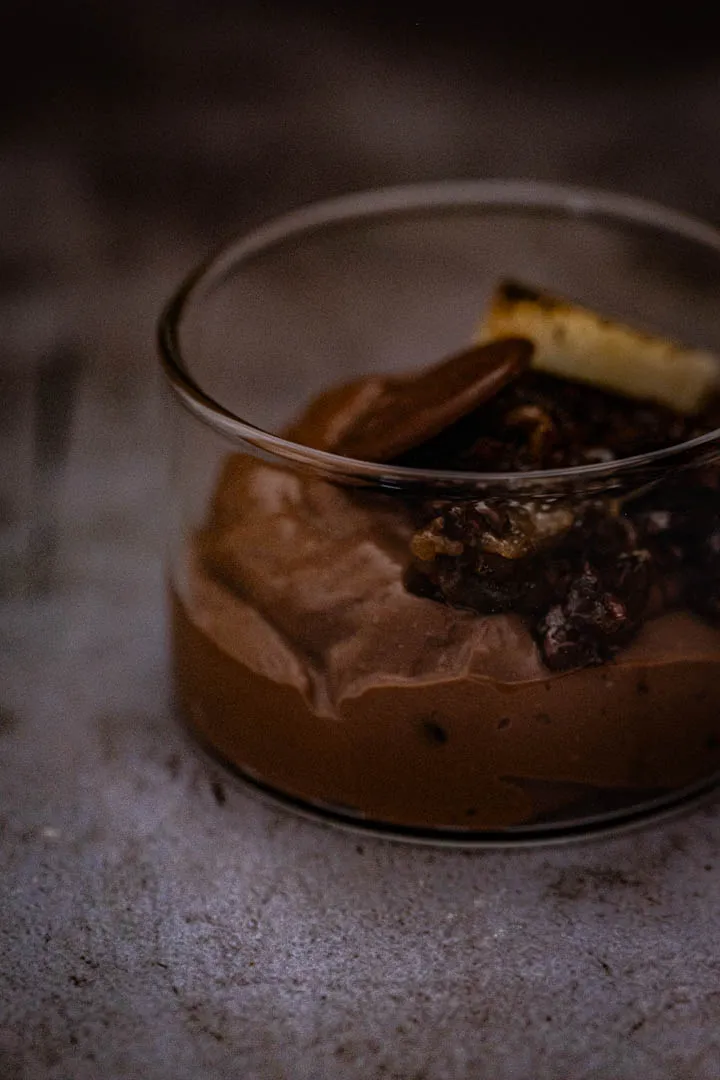
Chocolate Tofu Pudding Recipe
Silky chocolate tofu pudding topped with crunchy candied cacao nibs and banana. Rich, make-ahead, vegan-friendly, and impressive enough for date night.
Lemon Posset Brulee (No-Bake Dessert)
Lemon posset brulee set in real lemon shells, torched to order. Three ingredients, no oven, and it sits in the fridge for hours before you need it.