The Truth About MSG for Cooking
MSG has been wrongly vilified for decades. Learn the real science, smart usage tips, and why this umami powerhouse belongs in your kitchen.

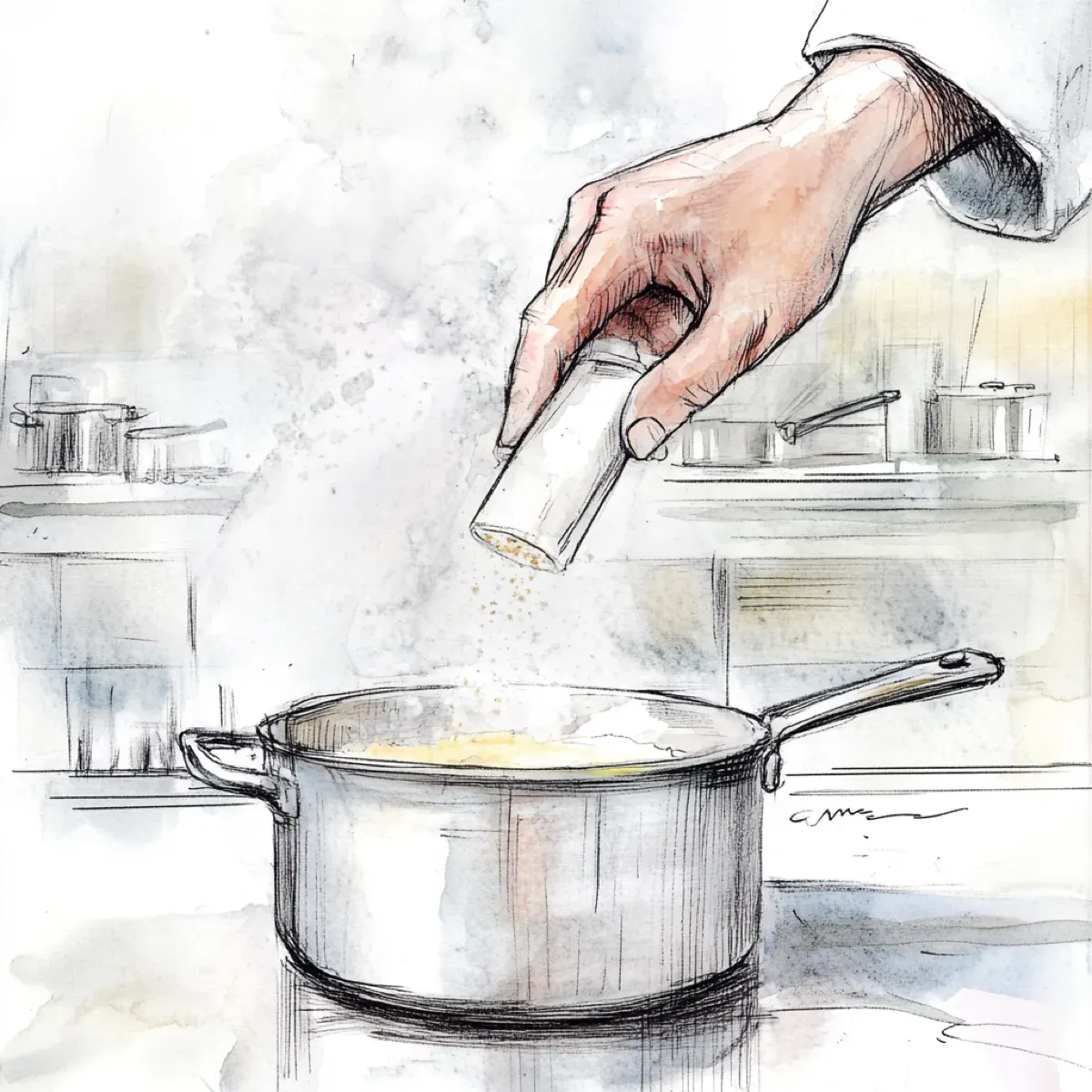
MSG has been unfairly demonized for decades. Let’s settle this once and for all. Understanding the science behind this flavor enhancer and using it confidently shows you are informed beyond common food myths. For date night cooking, it is a secret weapon that makes everything taste better, and the story behind it is one of the more interesting rabbit holes in food history.
What MSG actually is
MSG is the sodium salt of glutamic acid, an amino acid naturally present in tomatoes, aged cheese, mushrooms, and many other foods you already eat without a second thought. It was isolated from seaweed broth in 1908 by Japanese chemist Kikunae Ikeda, who was trying to figure out why certain broths had that deep, satisfying savoriness. He identified the compound responsible and named that quality umami, now recognized as the fifth basic taste alongside sweet, sour, salty, and bitter.
Commercial MSG is made by fermenting starches like corn or sugar cane, a process similar to how yogurt or wine is made. There is nothing artificial about it. The glutamate in a jar of Ajinomoto is chemically identical to the glutamate in a ripe tomato or a wedge of Parmigiano-Reggiano. Your body cannot tell them apart because, at the molecular level, they are the same thing.
The myth versus the reality
The myth goes like this: MSG causes headaches, allergies, and various health problems. This story traces back to a 1968 letter to the New England Journal of Medicine. Not a study. A letter. A physician named Robert Ho Man Kwok described feeling unwell after eating at Chinese restaurants and listed several possible causes, MSG among them. The media latched onto “Chinese Restaurant Syndrome,” and a stigma was born that would outlast several generations of contrary evidence.
The reality is less dramatic and far more reassuring. Decades of scientific research have found no link between MSG and these symptoms. The FDA, the World Health Organization, and the broader scientific community all classify MSG as safe. In double-blind trials where participants do not know whether they consumed MSG, the reported symptoms disappear. That is the textbook definition of the nocebo effect: the harm comes from the expectation, not the ingredient.
It is also worth naming the obvious. The “Chinese Restaurant Syndrome” label had racist undertones, targeting Asian cuisines specifically while ignoring the fact that Italian, French, and American cooking relies heavily on natural glutamate from aged cheese, tomatoes, and cured meats. Nobody panics about the Parmigiano on their pasta. The double standard did not emerge from neutral territory.
Why understanding this matters
Knowing the science behind MSG shows you think critically about food rather than following trends. When you casually mention using MSG in your cooking, it demonstrates confidence and knowledge that most people simply do not have. Many diners are genuinely surprised to learn the negative reputation has no scientific basis whatsoever. This becomes a conversation starter about food myths, cultural bias, and evidence-based thinking, which is to say it is the kind of topic that makes a dinner interesting.
How MSG works in your food
Glutamate binds to umami receptors on your tongue, creating a savory, mouth-filling sensation that makes food taste more complete. It enhances existing flavors rather than adding new ones. The meatiness gets meatier, the savory notes get rounder, and the whole dish feels more satisfying. It also reduces the need for salt, since glutamate provides that savory depth at lower sodium levels than salt alone.
What it does not do is cover up bad ingredients. MSG amplifies what is already there, good or bad. If the tomatoes are watery and the broth is thin, MSG will make them taste like watery, thin tomatoes with extra volume. The foundation still matters. It also will not work miracles on bland food or cause health problems in normal amounts.
Because it works differently from salt, they complement rather than compete with each other. Salt brightens and sharpens. MSG deepens and rounds. Used together, they cover more sensory ground than either does alone, which is why most seasonings that work well contain both. MSG also contains sodium, so when you use both, pull back on salt by about 10 to 15 percent to keep the balance right.
How to use MSG in date night cooking
Start with one-quarter to one-half teaspoon per pound of food. Add it during cooking or as a finishing touch, just like salt. The best applications are soups, stews, marinades, roasted vegetables, and meat dishes. Start with less than you think you need, because a little goes further than you expect. Taste as you go and use it alongside salt, not instead of it, since they do different jobs. Adding it to cooking liquid helps distribute the flavor evenly.
Here is where it really earns its place:
Steak and red meat. Mix MSG with salt and black pepper for a savory crust that enhances the beef’s natural meatiness. A ratio of two parts salt to one part MSG to one part pepper on a seared ribeye produces something worth talking about.
Tomato-based sauces. Tomatoes naturally contain glutamate, so adding a quarter teaspoon per two cups of sauce amplifies what is already there, creating richer pasta sauces and tomato soups. Try it with our Beef Ragu Pappardelle, where the long-cooked tomatoes already have plenty to amplify.
Mushroom dishes. Mushrooms are among the highest natural sources of glutamate. Adding MSG to a mushroom-heavy dish like Penne alla Vodka pushes the savory character somewhere beyond what you expect from the ingredient list. It also works brilliantly in fusion dishes like our Gochujang-Kimchi Seafood Bucatini, where kimchi and fish sauce are already packing umami and a pinch of MSG sends it over the edge. The same principle applies to our Vietnamese fish sauce wings: the caramelized glaze is already loaded with glutamate, and a small pinch of MSG in the marinade deepens the savoriness before the wings ever touch the oil.
Soups and broths. Half a teaspoon per quart creates a depth that would normally require hours of simmering. This is part of the reason restaurant soups taste fuller than homemade ones. Our Bold Spicy Miso Ramen uses it this way: a small pinch in the broth makes the pork and miso flavors land harder than the ingredient list suggests they should.
Roasted vegetables. A pinch per baking sheet before roasting makes vegetables more craveable and satisfying. It bridges the flavor gap that usually sends people reaching for cheese or butter.
The mistakes people make
The most common one is using too much. MSG rewards restraint. More does not produce more umami; it produces a tinny, metallic taste that overtakes everything else. If your dish tastes off in a way you cannot identify, too much MSG is a likely culprit.
The second mistake is expecting miracles. MSG enhances good cooking. It does not fix bad ingredients or poor technique. If the foundation is weak, MSG just amplifies the weakness.
Forgetting to adjust for sodium is the third issue. MSG contains about 12% sodium by weight, compared to about 39% for table salt, which means it delivers more flavor per gram of sodium. But it still adds sodium, and if you treat it as a free seasoning layered on top of your usual amount of salt, the dish will end up oversalted. Reduce salt slightly whenever you reach for the MSG.
Where to get it
MSG is cheap and easy to find. Asian grocery stores carry it in large bags, usually under the Ajinomoto brand. In mainstream grocery stores, look for Accent in the spice aisle. It also ships easily from any major online retailer. A container runs between five and ten dollars and lasts months of regular cooking. Per unit of flavor improvement, it is probably the best deal in your spice cabinet.
The science behind the myths
Study after study has failed to find any link between MSG and health issues when consumed in normal amounts. The FDA states plainly that MSG is safe for the general population. What keeps showing up instead is the nocebo effect: people who believe MSG causes symptoms often experience them even when consuming foods with no MSG at all. That is a psychological response, not a physical one. Your body produces glutamate naturally. Breast milk contains more glutamate than many MSG-seasoned foods. The compound is not foreign to your system in any way.
The part where this connects to cooking for someone you like
If umami-forward cooking appeals to you, our guide to getting wok hei at home covers the high-heat technique that makes restaurant stir-fries taste so much deeper than what most home cooks produce.
Using MSG despite its reputation says something about how you make decisions. You looked at the evidence. You ignored the noise. You cooked accordingly. When your date asks why the food tastes so good, and they will, mention MSG and let the conversation go wherever it wants to go. The science is genuinely fascinating, the history is even more interesting, and cooking with knowledge instead of fear reads well across the table. That confidence is a good sign to bring to a first or fifth date.
Related Recipes
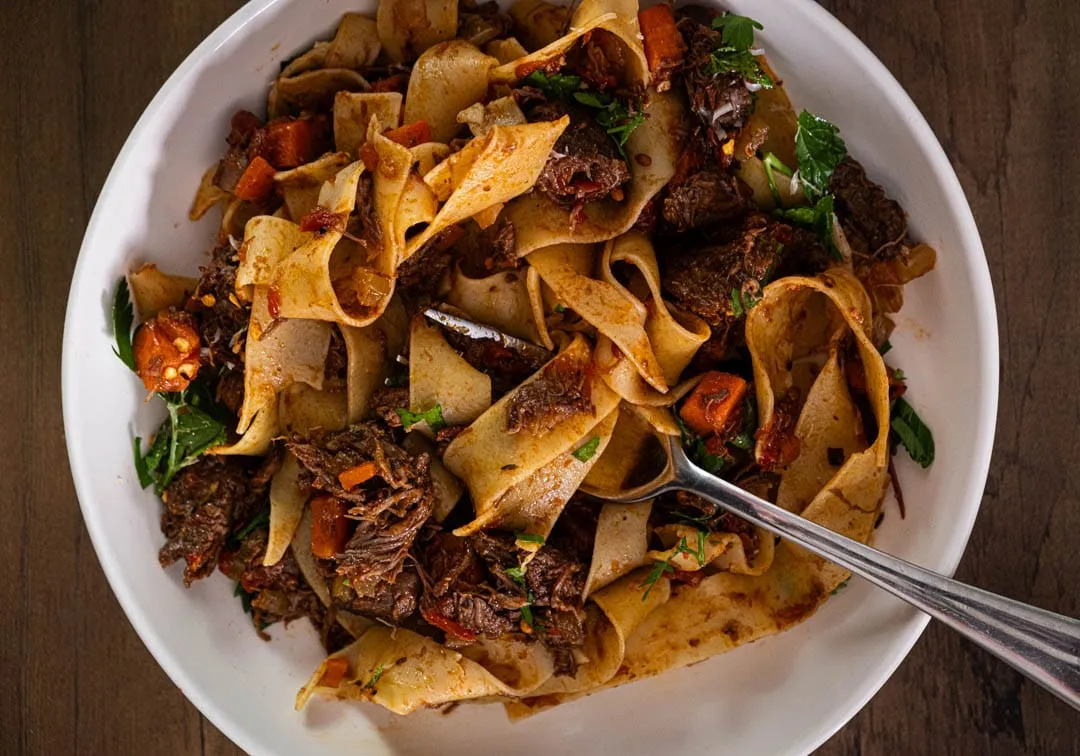
Slow-Cooked Beef Ragu with Pappardelle Pasta
The slow-cooked ragu that says 'I've been thinking about you all day.' Chuck roast, red wine, and pappardelle worth every minute.
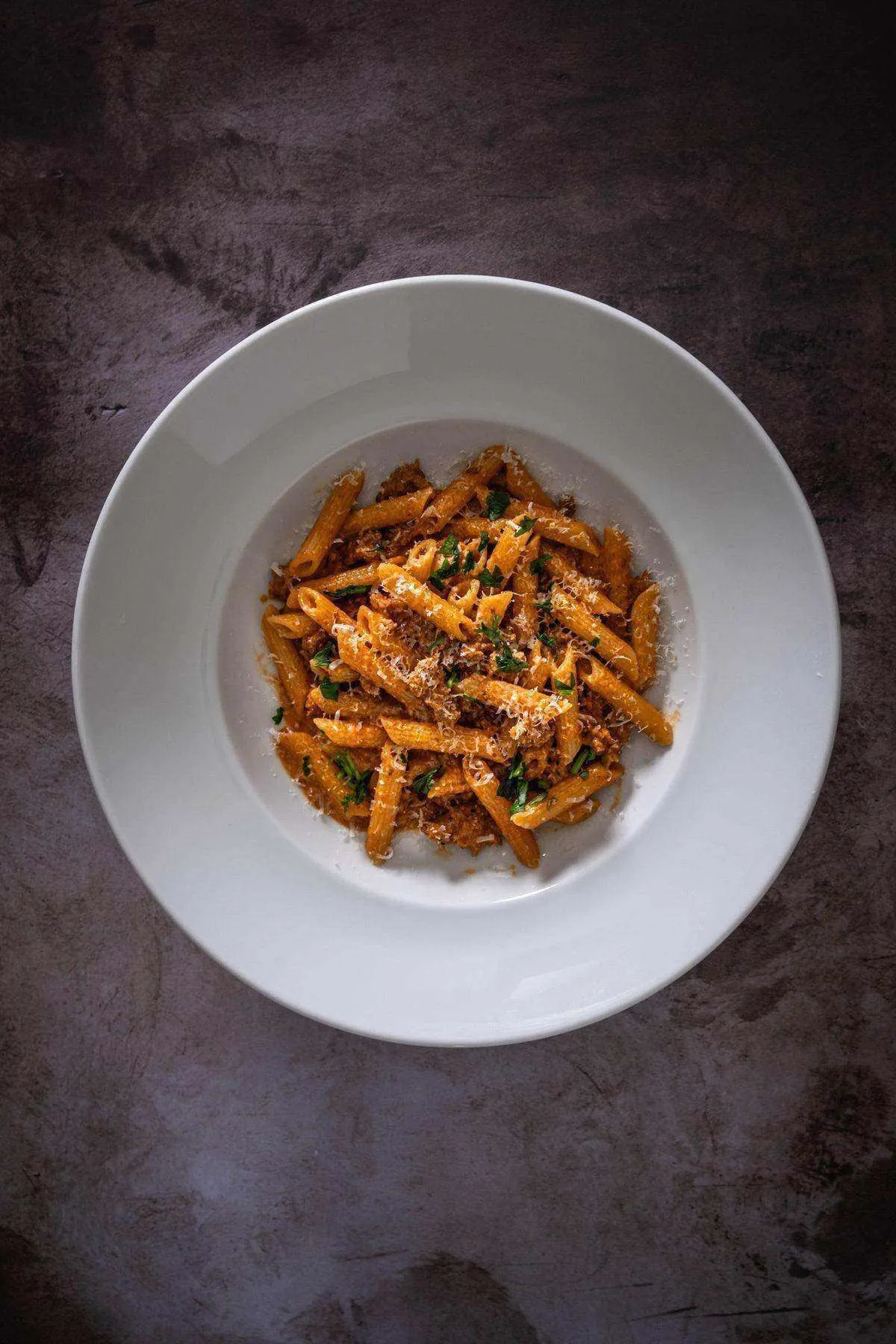
Creamy Penne alla Vodka with Italian Sausage
Creamy blush sauce with crumbled Italian sausage and fennel. This elegant penne alla vodka earns the candlelight and the playlist.
Victor Vu
Victor is a Montreal home cook with a decade of experience developing date night recipes. Every dish is tested at least three times before publishing.
About the author →Frequently Asked Questions
Can people be allergic to MSG?
Multiple double-blind studies have found no consistent difference between MSG and placebo reactions. The FDA classifies MSG as generally recognized as safe. What research keeps identifying instead is the nocebo effect: people feel symptoms because they expect to, not because glutamate is causing any measurable physiological response.
Is MSG the same as salt?
Not even close. Salt makes things salty; MSG makes things savory. They hit completely different receptors and do different jobs: salt brightens, MSG deepens. They also work well together. Use both and pull back on salt by about 10-15%, since MSG does contain some sodium.
Do restaurants use MSG?
Plenty of restaurants use MSG, and not just Asian ones. It appears in processed foods under names like yeast extract, hydrolyzed vegetable protein, and autolyzed yeast. Parmesan, tomato paste, and soy sauce are all naturally loaded with the same compound. You have been eating glutamate your whole life.
How much MSG should I use per dish?
Start with a quarter teaspoon per pound of food or per quart of liquid, then taste and adjust. A little goes further than you expect. Too much creates a tinny, metallic edge that is hard to fix. Think of MSG like a good backup vocalist: everything sounds better, but nobody should notice it is there.
Should I tell my date I used MSG in the cooking?
Own it. When your date asks why everything tastes incredible, mention MSG and watch the conversation get interesting. The science is genuinely fascinating, the myths are fun to debunk, and cooking with knowledge instead of fear? That reads well across the table. No apologies needed.