How to Get Wok Hei at Home
That smoky, charred restaurant magic is called wok hei. Learn the technique, the science, and how to nail it at home without a 100,000 BTU burner.

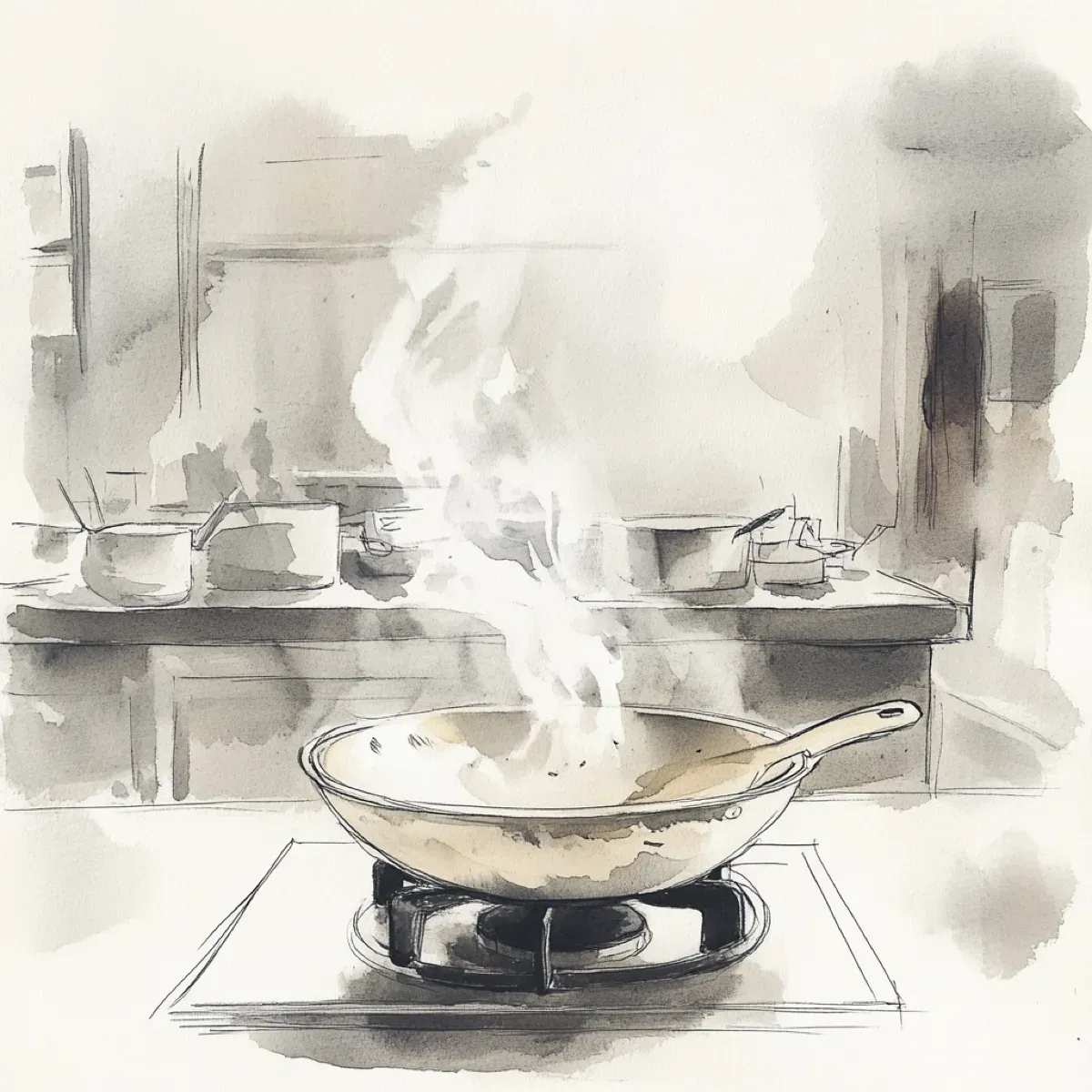
You’ve eaten it before, even if you didn’t know what to call it. That smoky, faintly charred, almost electric flavor that makes a restaurant stir-fry feel completely different from the one you made at home last Tuesday. Same ingredients. Same technique, roughly. But not the same result. Understanding how to close that gap shows serious cooking knowledge and creates restaurant-quality meals that genuinely impress. For date night, it signals that you’ve mastered a technique most home cooks never even attempt.
What wok hei actually is
Wok hei (Cantonese for “breath of the wok”) is that smoky, slightly charred flavor you find in good stir-fries. It comes from cooking at extremely high heat in a seasoned carbon steel wok, and the result is a combination of seared proteins, caramelized sugars, and volatile aromatic compounds that release when oil hits a superheated surface. You cannot fake it with extra soy sauce or a longer cook time.
The challenge is temperature. Professional wok burners produce 50,000 to 100,000 BTUs. Most home gas stoves top out at 15,000. Electric is worse. That massive heat difference makes authentic wok hei nearly impossible at home using traditional methods. But nearly impossible is not the same as impossible.
Why this impresses
Most people accept that stir-fries will never taste like restaurant versions. Achieving actual wok hei at home shows you’ve researched, practiced, and mastered a difficult technique. That level of dedication to craft translates to how you approach challenges in general. Serving a smoking-hot stir-fry with that characteristic char and aroma creates an immediate “wow” moment that no amount of careful plating can replicate.
Techniques to maximize wok hei
Method 1: work in very small batches
Less food means higher effective heat per ingredient, and that is the single biggest factor working in your favor. Cook no more than half a cup of food at a time, keep everything moving constantly with a metal spatula, and remove each batch to a plate before starting the next. Combine everything at the end with your sauce. It feels inefficient, and it takes patience, but the math is simple: the wok holds its temperature, and you get actual searing instead of steaming. Think of it as the slow route to very fast food.
Method 2: preheat your wok in the oven
Preheating a carbon steel wok in a 500°F oven for 10 minutes gets it significantly hotter than your stovetop alone can manage. Transfer it carefully to your highest burner, add oil (it should smoke on contact), and cook in small batches as fast as you can. You need serious oven mitts and a clear path to the stove. It requires carbon steel specifically, since nonstick cannot handle the temperature, and the whole process is a bit dramatic. It works.
Method 3: get an outdoor wok burner
If you have outdoor space and you’re serious about stir-frying, a portable propane wok burner is the real answer. These units produce 60,000 BTUs or more, which puts you in the same range as professional restaurant equipment. Set one up on the patio and cook the way the food was meant to be cooked. It requires an equipment purchase and outdoor space, but it is also genuinely fun in a way that indoor stir-frying cannot quite match.
Essential setup tips
The gear is non-negotiable. You need a 14-inch round-bottom carbon steel wok, a wok ring to stabilize it on the burner, a metal spatula for tossing and scraping, and complete mise en place with everything prepped before cooking starts.
Preparation matters as much as heat. Cut all ingredients to uniform sizes so they cook evenly on a large, stable cutting board. Pat proteins completely dry with paper towels, because any surface moisture drops the wok temperature and blocks browning. Mix your sauce and have it ready. Arrange everything within arm’s reach of the stove, ordered from longest to shortest cook time. Once the wok is hot, there is no stopping to chop or measure.
The golden rule: never stop moving the food. Constant motion prevents burning while building char. A still wok produces a sad stir-fry.
The cooking sequence
Once your wok is smoking, work fast and follow this order:
- Heat the wok on maximum until it smokes, about 2 to 3 minutes
- Add oil in a thin stream around the sides so it heats as it flows down
- Add garlic and ginger for exactly 10 seconds, then move them
- Add protein in a single layer, let it sit for 30 seconds to sear, then toss rapidly
- Add vegetables by firmness: dense ones first, leafy greens last
- Add the sauce, toss to coat, cook 30 seconds until it thickens
- Serve immediately. Total cooking time: 3 to 4 minutes
Common mistakes and how to fix them
Overcrowding the wok is the biggest killer. Too many ingredients and the temperature crashes. The food steams instead of searing, and you get a perfectly adequate but thoroughly unexciting plate. Small batches maintain high heat. If the food is not sizzling loudly, you have added too much. Pull some out.
Wet ingredients are the second most common problem. Any surface moisture on meat or vegetables drops the wok temperature immediately and blocks browning. Pat everything dry. Water is the enemy, and skipping this step is how you end up with grey, sad chicken.
Low heat guarantees failure. Wok hei requires your absolute maximum output. Turn the burner all the way up and leave it there for the entire cook. If you are not at least a little nervous about the smoke level, the wok is not hot enough.
Slow cooking defeats the purpose entirely. Speed is essential. Ingredients should cook in minutes, not tens of minutes. Every second past the ideal window steams moisture out of your food instead of charring it.
Dishes that show it off best
Not every stir-fry needs wok hei, but some really do. Beef and broccoli benefits enormously from a high-heat sear on the protein. Fried rice needs individual grains with a slight char, which takes real heat. Chow fun with flat rice noodles is the traditional showcase in Cantonese cooking, where the noodles pick up smoky, slightly singed edges that are completely addictive. Kung pao chicken works well because the dried chilies char against the hot wok and release a smokiness that carries through the whole dish.
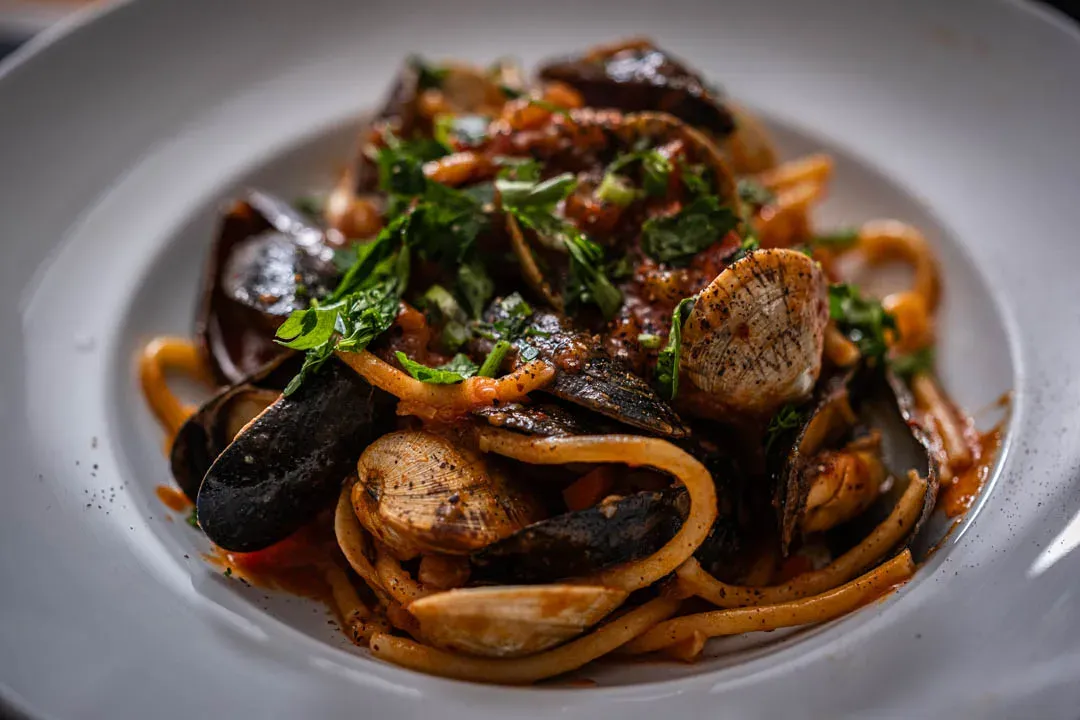
Our Gochujang-Kimchi Seafood Bucatini uses the same high-heat searing principles on shellfish, and the bold, clingy sauce rewards the kind of aggressive heat management you learn from chasing wok hei. For the technique that keeps your protein tender through all that heat, our guide to velveting for stir-fries is the natural companion.
Start with fried rice if you’re new to this. The feedback is immediate: you’ll know right away whether you had enough heat.
Wok hei as date night theater
Stir-frying for someone is a performance whether you intend it to be or not. Flames, smoke, fast-moving food, the smell of garlic hitting a screaming-hot wok. It is considerably more exciting to watch than a braise simmering on the back burner for three hours.
Have your date help with prep: chopping vegetables, mixing the sauce, organizing ingredients into small bowls. This creates collaboration and keeps them involved. The mise en place becomes a shared project, and by the time the wok goes on the heat, there is genuine anticipation built up.
When you cook, position your date where they can watch safely. The speed, the confidence, the knowledge of exactly how long 10 seconds feels when garlic is in a hot pan: all of that reads as competence, and competence is attractive. Narrate if the mood is right.
Bring the sizzling wok straight to the table. The aroma and presentation create impact that no amount of careful plating on individual plates can match. And if you want a starter before the main event, our Crispy Vegan Calamari is easy to prep ahead and light enough not to steal the show.
The knowledge factor
Explaining wok hei to your date shows depth of food knowledge. Most people have eaten great stir-fries but never understood what makes them special. Teaching this creates a shared learning experience and positions you as someone who cares about understanding food, not just consuming it. That curiosity carries through the evening and beyond.
Related Recipes
Victor Vu
Victor is a Montreal home cook with a decade of experience developing date night recipes. Every dish is tested at least three times before publishing.
About the author →Frequently Asked Questions
Can I use a nonstick wok to get wok hei?
Nonstick coatings cannot handle the extreme heat wok hei demands. Above 500°F they release fumes you do not want near your food. Carbon steel is the right material: it tolerates screaming heat, improves with every cook, and the seasoning that builds up over time genuinely contributes to flavor. Nonstick is for eggs.
What oil should I use for wok hei?
High smoke point, full stop: peanut oil, vegetable oil, or avocado oil. Peanut oil is the traditional pick and adds a faint nuttiness that works beautifully with stir-fries. Olive oil and butter have no business near a screaming-hot wok. They burn long before your pan gets anywhere close to wok hei territory.
Is all the smoke from wok cooking normal?
Yes, and you should want it. Smoke means the wok is hot enough to actually do its job. Open the windows, crank the exhaust fan, and maybe warn your smoke detector in advance. The smoke clears fast once you stop cooking. If your wok isn't smoking, you're not there yet.
How do I season a new carbon steel wok?
Heat the wok over high until the metal turns blue-grey, then rub a thin coat of high smoke-point oil over the interior with paper towels. Repeat three or four times. With regular cooking, a dark patina builds up that acts as a natural nonstick surface and genuinely contributes to wok hei flavor.
Why do my stir-fries taste steamed instead of charred?
Almost certainly overcrowding. Too much food in the wok tanks the temperature, and the ingredients dump moisture faster than it can evaporate. Steam, not char. Cook in small batches, no more than half a cup at a time, and make sure every ingredient is bone-dry before it touches the wok. Moisture is the enemy.