Velveting: Tender Stir-Fries at Home
That impossibly tender restaurant stir-fry? Five minutes of velveting. Learn this Chinese technique step by step and never serve rubbery chicken again.

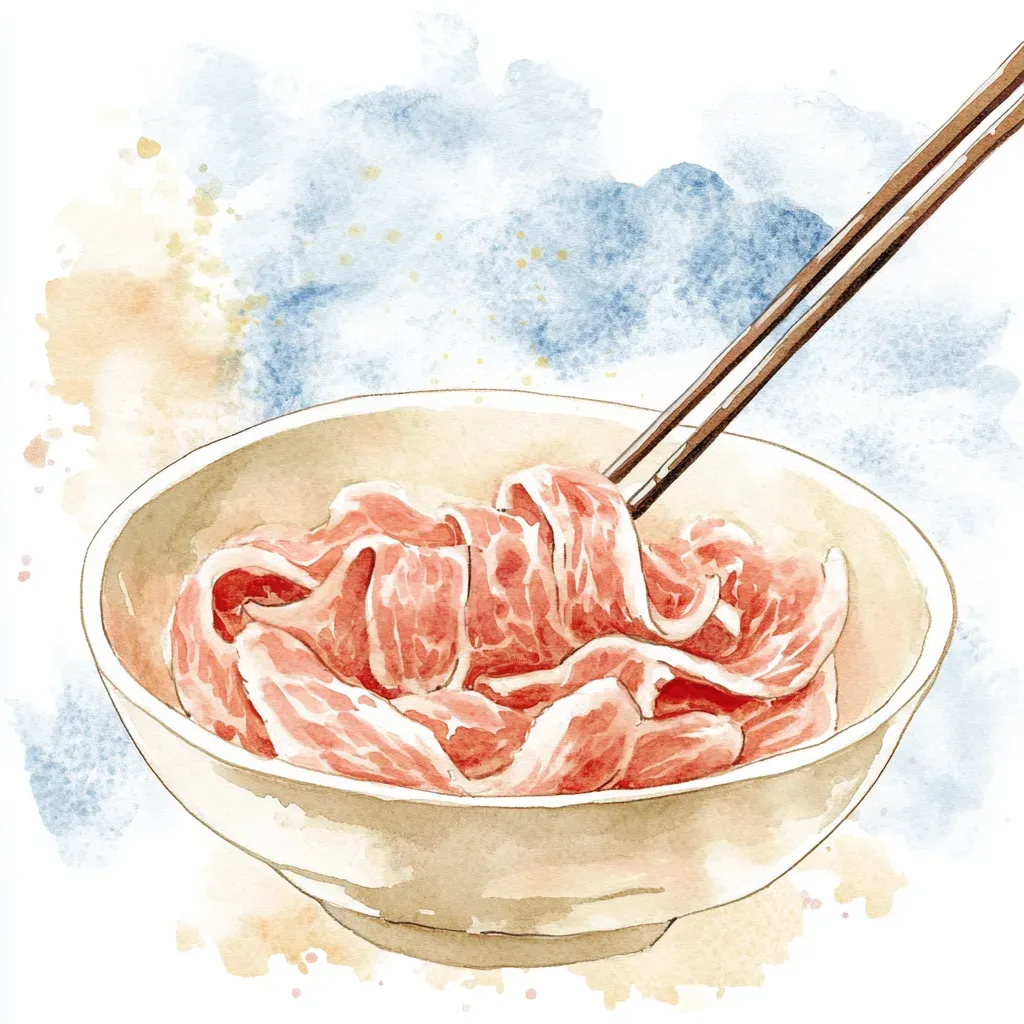
Cooking a stir-fry for date night shows culinary skill and cultural awareness. Mastering velveting, the Chinese technique that makes restaurant stir-fries impossibly tender, elevates your home cooking and impresses without pretension. I learned it years ago out of frustration: my vegetables were fine, my sauce was fine, and the chicken kept coming out dry and vaguely insulting. Five minutes of prep changed everything.
The answer is a technique called velveting. It uses ingredients you already have, it is standard practice in every Chinese restaurant kitchen worth eating at, and once you know how to do it, your stir-fries will stop tasting like a lesser version of the dish you actually wanted.
What velveting is
Velveting is the process of coating raw protein in a thin mixture of cornstarch, egg white, and sometimes a splash of rice wine or oil before cooking. That coating creates a protective barrier between the meat and the aggressive heat of a wok, keeping muscle fibers from seizing up and squeezing out their moisture.
The result is that silky, tender texture you get at good Chinese restaurants. Not creamy or heavy, just noticeably more tender than what you’d get without the step. That chicken from your favorite takeout spot, the thin-sliced beef from a wok station, the plump shrimp in a Cantonese sauce: velveting is almost certainly behind all of it.
It is not a secret ingredient. It’s a method, and once it clicks, you’ll use it every time.
Why this matters for date night
Cooking Asian food at home demonstrates cultural curiosity and adventurousness. When you serve a perfectly tender stir-fry, it shows you’ve taken time to learn proper technique rather than just following a recipe. This level of care translates to how you approach relationships, and people notice.
Pair this technique with the high-heat principles from our wok hei guide and you have the full toolkit for restaurant-caliber stir-fries at home. The kind of meal where your date pauses mid-bite and asks how you got the meat so tender. You’ll have a genuinely interesting answer ready.
Why velveting works
The science is straightforward. Proteins are made of long muscle fibers held together with moisture. When those fibers hit high heat, they contract fast and squeeze that moisture out into the pan. The result is the dry, rubbery texture that makes home stir-fry disappointing.
The cornstarch and egg white create a physical barrier that prevents this moisture loss. The starch granules swell and gelatinize when heated, forming a soft shell around each piece of meat. That shell insulates the protein from the worst of the heat and slows down moisture loss considerably. Egg white reinforces the coating and adds a delicacy that starch alone can’t deliver. The Foolproof Egg Formula covers what egg whites do under heat, which explains why they hold the coating together better than starch alone.
Temperature control matters too. The optional pre-cooking step, a quick blanch in low-temperature oil (around 280 degrees F) or simmering water, gently sets that coating before the aggressive heat of stir-frying. This two-stage cooking prevents the meat from seizing up. Skip the blanch and the coating may slip off unevenly. Do it and the coating stays put, even in a smoking-hot pan. Two extra minutes of work for results you’ll notice immediately.
The basic technique, step by step
For every pound of protein:
- 1 egg white
- 1 tablespoon cornstarch
- 1 tablespoon Shaoxing rice wine (or dry sherry, or water)
- 1/2 teaspoon salt
- 1 tablespoon neutral oil (optional, but recommended)
Slice the protein thin. Cut chicken breast, flank steak, pork tenderloin, or shrimp into pieces about 1/4 inch thick. Uniform size ensures even cooking: thick pieces stay underdone while thin ones overcook. For beef and pork, cut against the grain to shorten the muscle fibers before you even touch the wok.
Mix the coating. Whisk the egg white until slightly frothy, not stiff, just broken down. Add the cornstarch, rice wine, and salt. Stir until smooth.
Coat the protein. Toss the meat in the mixture until every piece is evenly covered. Let it sit for 15 to 30 minutes at room temperature. Up to four hours in the refrigerator works well if you’re prepping ahead.
Pre-cook (optional but recommended). Heat oil to 280 degrees F in a wok or small pot and add the meat in batches. Cook for 30 seconds, just until the coating sets and the meat turns opaque. Or blanch in simmering water for 60 to 90 seconds. Drain and set aside.
Stir-fry as normal. Add the pre-cooked meat to your hot wok with the vegetables and sauce in the final stages. It just needs to heat through and pick up the sauce: the texture is already handled.
Common mistakes to avoid
Skipping the rest time is the most common error. The coating needs at least 15 minutes to actually bond to the meat’s surface. Rush it and the marinade slides off during cooking, leaving you with dry protein and a sauce full of free-floating starch. It’s a boring thing to be patient about, but it matters.
Cutting meat too thick defeats the whole point. Pieces thicker than 1/4 inch need more time in the pan, and that extra time generates enough heat to push through even a good coating. Thin, uniform slices cook in seconds, which is exactly what this technique is designed around.
Overcrowding the wok wrecks the sear. Too much food at once drops the temperature, and your ingredients steam instead of fry. Cook in batches, remove each to a plate, and bring everything back together with the sauce at the end. A crowded wok is a sad wok.
Choosing your protein
Chicken breast is the best starting point if you’re new to velveting. It is naturally lean and benefits the most from the technique because its dense muscle structure makes it the easiest to ruin without it. The difference between velveted and un-velveted chicken breast is the clearest of any protein.
Beef, specifically flank steak or sirloin, creates the most impressive results for a dinner with company. Sliced thin against the grain and velveted, it develops that silky restaurant texture that makes people assume you’ve had professional training. You don’t need to correct them.
Pork tenderloin is underused in stir-fries. It stays juicy and tender, takes well to bold sauces like black bean or oyster, and holds its own without demanding attention, which is a quality worth appreciating.
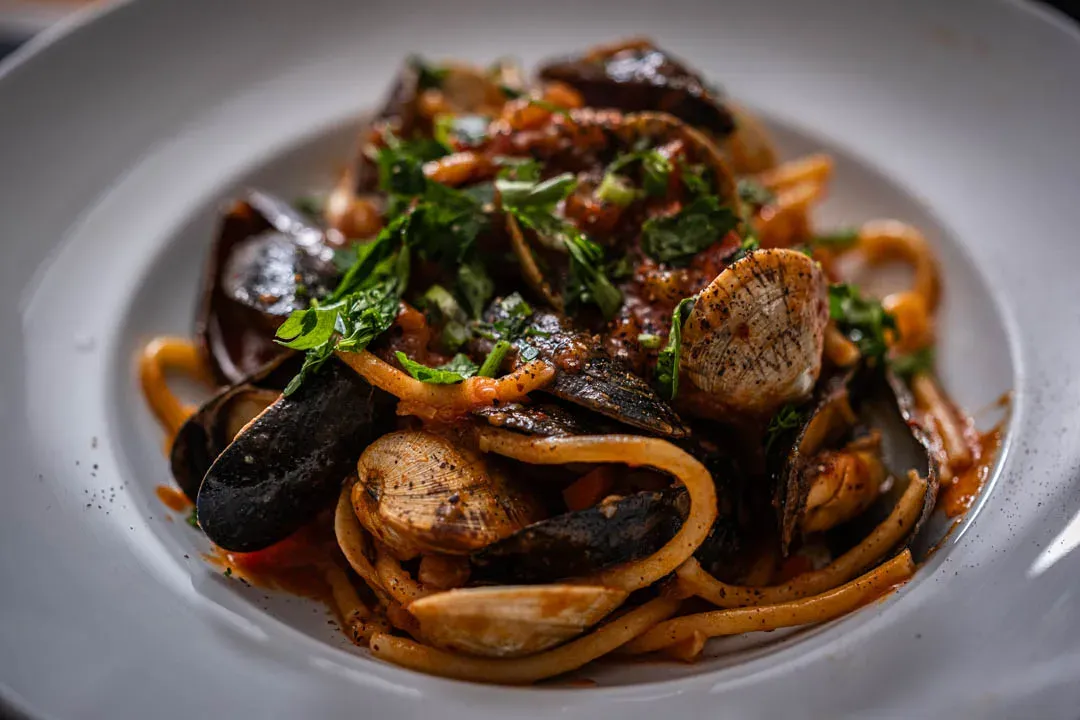
Shrimp is the fastest option. Velveting gives it a slightly plumper, more luscious texture, and because shrimp cooks so quickly, you’re barely at the stove when it’s time to eat. Serve it alongside something tangy and bright like our Vietnamese Pickled Vegetables and the whole spread feels like more effort than it actually was. For a recipe that puts velveted shrimp to serious use, our Gochujang-Kimchi Seafood Bucatini pairs quick-cooked seafood with a bold, clingy sauce.
Date night application
Serve with jasmine rice and a simple vegetable stir-fry. The contrast between tender protein and crisp vegetables creates textural interest. Share everything family-style to encourage interaction and conversation.
Almost all the work for a velveted stir-fry happens before your date walks in. Mix the coating, prep the meat, refrigerate it. Chop the vegetables. Mix the sauce. Set everything out in small bowls. By the time you’re ready to cook, the whole dish takes about four minutes. That speed is its own form of confidence: the quiet competence of someone who’s done their prep and isn’t scrambling.
The social advantage
Knowing this technique gives you confidence when cooking Asian cuisine at home. When your date comments on how tender the meat is, you can casually explain velveting. This demonstrates both skill and cultural knowledge without being pretentious.
Cooking together and teaching this technique creates a collaborative, playful dynamic. It shows you’re willing to share knowledge and work as a team. The technique, the science, the offer to show them next time: all of it signals that you care about what you’re doing, which, as it turns out, translates well at the dinner table.
Related Recipes
Victor Vu
Victor is a Montreal home cook with a decade of experience developing date night recipes. Every dish is tested at least three times before publishing.
About the author →Frequently Asked Questions
Can I velvet the meat in advance for a date night dinner?
Not only can you, you should. Coat the protein, refrigerate for up to 4 hours, and pull it out 20 minutes before cooking to take the chill off. All the real prep happens before your date arrives, so when it's time to cook you look like someone who does this in their sleep.
Is the pre-cooking step (blanching in oil or water) really necessary?
Not strictly necessary, but worth doing. A quick blanch in low-heat oil (around 280°F) or simmering water sets the cornstarch coating so it does not slide off in the wok. For date night, take the extra two minutes. On a Tuesday, skip it. The meat will still be noticeably more tender either way.
What can I substitute for Shaoxing rice wine in the velveting marinade?
Dry sherry is the closest substitute and works beautifully. Plain water is also fine since the cornstarch and egg white do the real tenderizing, not the liquid. A splash of vodka tenderizes and evaporates cleanly too. Avoid sweet or strong-flavored liquids like mirin or wine vinegar, as they fight the sauce.
Can I use whole eggs instead of just egg whites?
You can, but egg whites give you that clean, delicate coating that makes velveted meat so distinct. Whole eggs add extra fat from the yolk, which makes the coating heavier and can cause slight discoloration at high heat. In a pinch, whole eggs are fine. For a date night, separate the egg. Save the yolk for breakfast.
Which proteins benefit most from velveting?
Chicken breast benefits the most since it is lean, dense, and prone to drying out. Beef flank steak or sirloin sliced against the grain develops that silky restaurant texture. Pork tenderloin stays juicy and mild. Shrimp gains a pleasant plumpness. Even tofu holds up well with a lighter cornstarch-only version.