Lemon Posset Brulee (No-Bake Dessert)
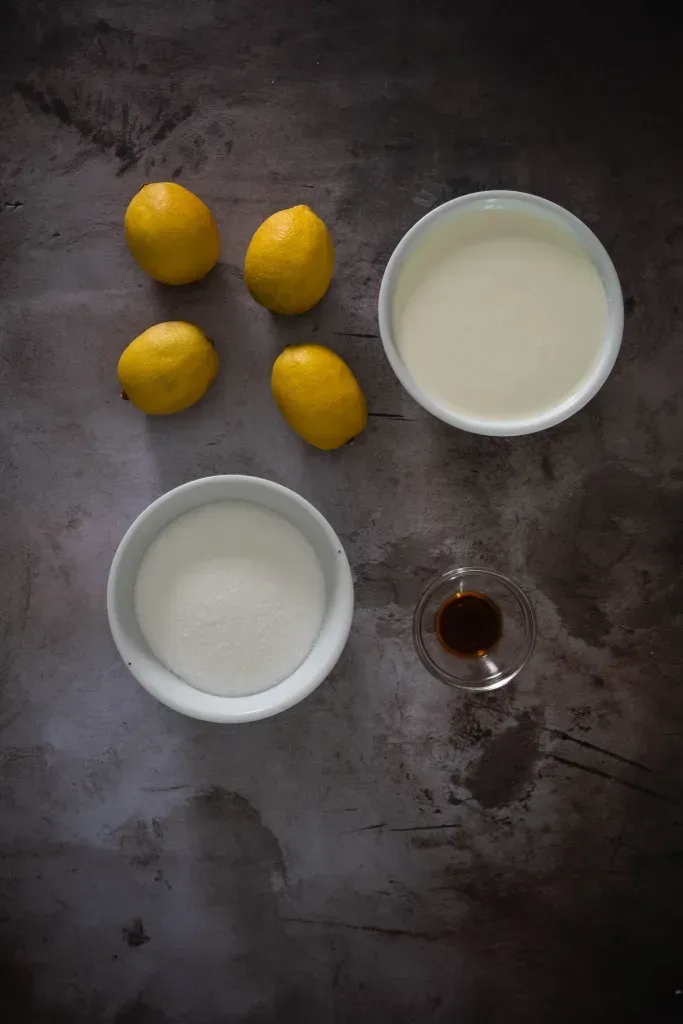
Lemon posset brulee set in real lemon shells, torched to order. Three ingredients, no oven, and it sits in the fridge for hours before you need it.

Prep
15 min
Cook
10 min
Passive
4h
Total
4h 25 min
Difficulty
Easy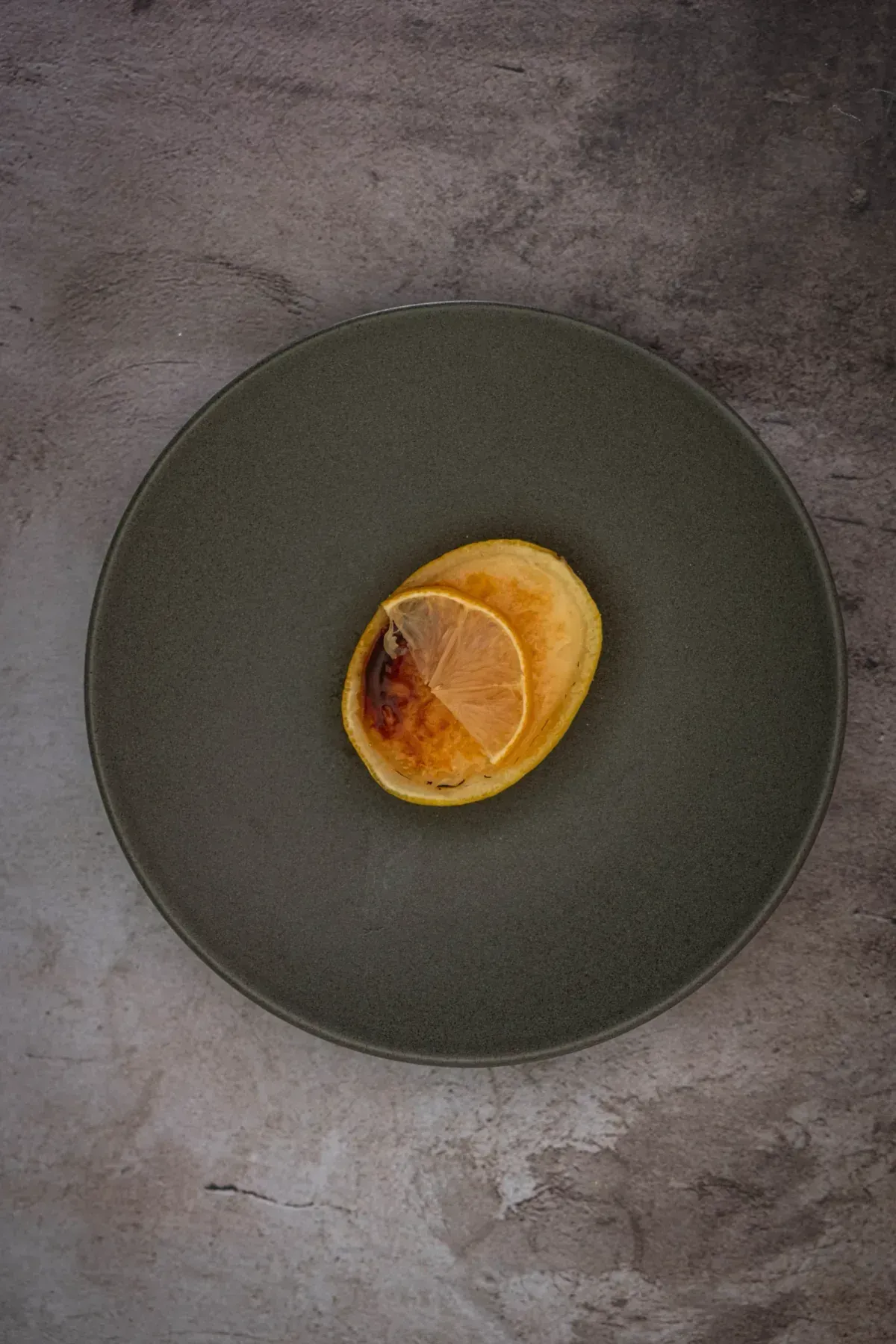
“Lemon posset brulee is a no-bake British dessert made with just cream, sugar, and lemon juice. The acid in the lemon causes the hot cream to set into a silky custard without gelatin or eggs. After chilling for four hours, a thin layer of sugar is torched into a crackling brulee crust for added texture.”
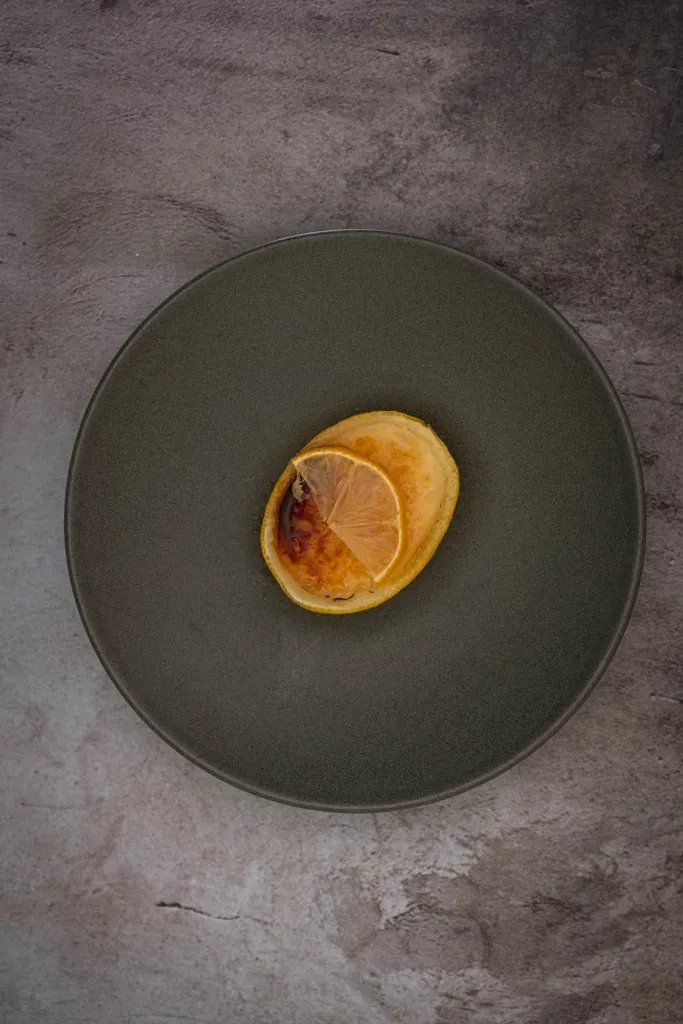
I have a confession. The first time I made this for a date, I felt like I was cheating. Three ingredients, no oven, maybe fifteen minutes of real effort, and the person across from me looked at me like I had just pulled off something extraordinary. Silky lemon cream set inside hollowed lemon shells, topped with a caramelized sugar crust that shatters at the tap of a spoon. It sounds like a cooking show moment. It is absolutely not. It is, however, the easiest five-out-of-five impress-factor dessert I have ever served.
What a posset actually is
The posset has medieval English roots, and the original version involved hot milk, ale, and spices. People drank it when they felt a cold coming on. Bless them, they tried. The modern take is far more seductive: heavy cream simmered with sugar, then hit with a generous pour of lemon juice. The citric acid does something beautiful to the cream proteins. They bond, they link, they form a silky custard-like set without gelatin, without eggs, without a single complicated step.
This is the part that gets me every time. No water bath, no tempering, no anxious thermometer checks. You boil cream, stir in lemon juice, walk away, and four hours later you have a dessert that looks like it belongs on a tasting menu. The technique is practically foolproof, which means you can focus your nervous energy where it belongs: on the playlist, the lighting, the conversation.
The science behind the set
When cream reaches a full boil, the heat denatures its proteins. Introduce citric acid at that precise moment and the casein proteins coagulate and cross-link into a fine mesh that traps fat and liquid in a stable, spoonable network. No gelling agent required because the chemistry does all the structural work on its own.
The ratio is everything. Six tablespoons of fresh lemon juice to two cups of heavy cream. That is the sweet spot, and I do not recommend improvising. Too little juice and you get a pourable, sad situation that refuses to hold its shape. Too much and things go grainy and aggressively sour, like the posset is trying to pick a fight. Nail the measurement and you get a smooth, bright set that holds beautifully in the shell and stays silky under the torch. The two-minute simmer after the boil matters too. It concentrates the cream and fully denatures the proteins so the acid can do its job cleanly.
The lemon shell presentation
This is where the recipe goes from good to genuinely memorable. Serving posset inside the actual lemon turns three ingredients into something that looks considered and intentional, because it is. I cut each lemon lengthwise, not crosswise. The boat shape sits flat on the plate and holds a generous portion without any wobble.
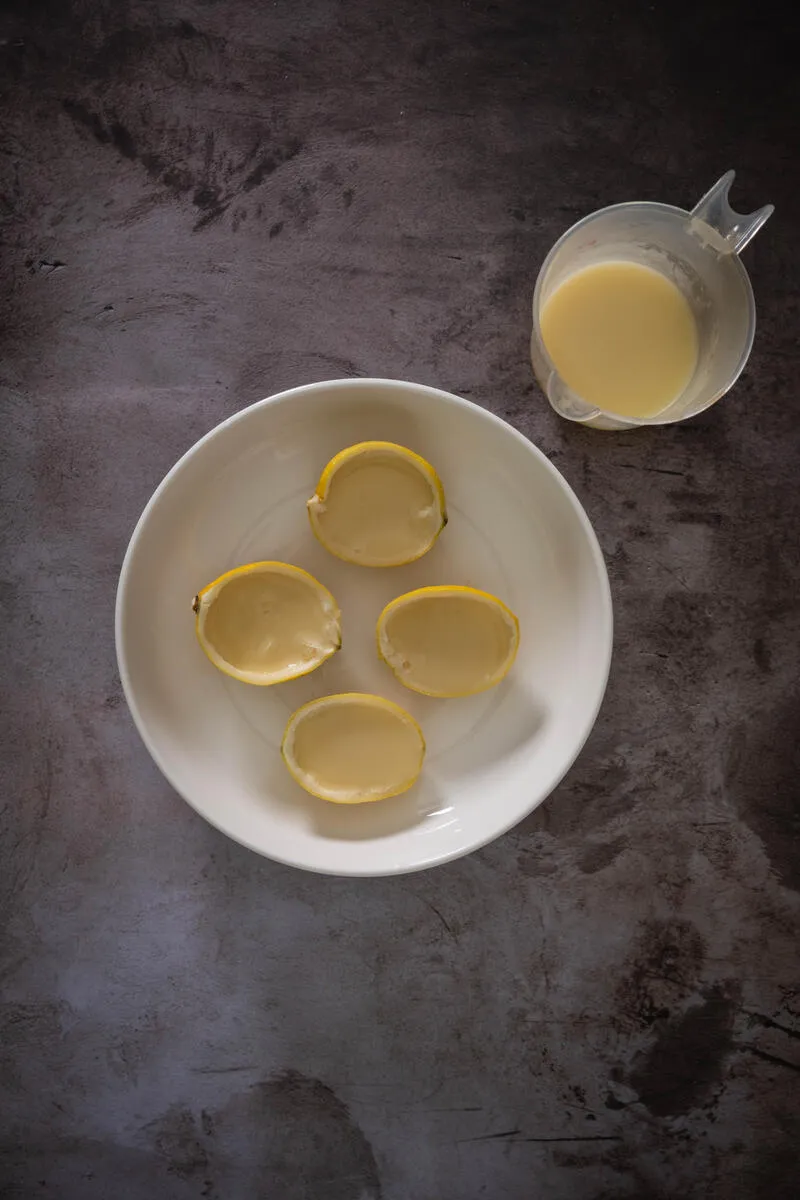
A sharp spoon or grapefruit spoon makes quick work of the pulp and membrane. Be thorough here. One tiny hole in the rind and the liquid posset will find it before it sets, guaranteed. I nestle the halves cut-side up in a cupcake tin, which keeps them perfectly upright during the chill.
Four lemons give you eight halves and more juice than the recipe calls for. If your lemons run small, keep a fifth one nearby. Running short on juice halfway through is an easy fix with a backup lemon on the counter and a small disaster without one. Speaking of the juice, fold it into the hot cream gently with a spatula. Whisking too hard traps air bubbles that leave the surface foamy instead of glass-smooth. Let the mixture cool for about fifteen minutes before pouring into the shells, because hot cream against the rind releases bitter oils that you definitely do not want.
The brulee finish that changes everything
A chilled lemon posset on its own is still a lovely dessert. I would happily eat one with a few raspberries and call it a night. But with the brulee crust, the whole thing levels up. That is the moment someone puts their spoon down and asks what else you have been holding back on.
The textural contrast is the entire point. Cold, silky cream under a warm, glassy sugar crust that cracks and gives way. Your spoon breaks the surface and sinks through. Temperature, texture, citrus brightness, caramel warmth, all in one bite. This is why the dessert punches so far above its ingredient count.
Sprinkle a thin, even layer of sugar over each chilled posset. Patchy sugar means patchy brulee, so take two extra seconds to distribute it right. Hold the torch about two inches from the surface and move in slow, steady circles. The sugar bubbles, darkens, then hardens into amber in under a minute. After torching, let them rest in the fridge for ten to fifteen minutes so the crust sets firm while the cream stays cold. Serve within thirty minutes. Any longer and the cream’s moisture starts dissolving your beautiful crackle, which is a small tragedy I have learned from firsthand.
Making it ahead (and why you should)
This dessert was built for date night logistics. Fill the lemon shells up to two days in advance and they just sit in the fridge getting better. Firmer, more set, deeply chilled. You can spend the evening focused on your guest, on the wine, on being present, instead of having a last-minute dessert crisis in the kitchen.
The one thing you cannot do early is the brulee. That crust is strictly a last-minute affair. Torch within thirty minutes of serving, and honestly, consider doing it at the table. Set out the shells, light the torch in front of your date, and let them watch the sugar go from white to amber. It takes under five minutes for six portions and reads as the most competent thing in the world, even though it requires almost no skill. After a rich main like penne alla vodka or a slow-cooked beef ragu pappardelle, this bright, cool posset is exactly the palate reset you want. A cauliflower steak with romesco sauce or even a simple cacio e pepe before it works beautifully too, if you want the whole evening to feel like a love letter to simplicity.
Why this recipe has my heart
Most desserts that look this impressive ask for real skill, serious time, or specialty equipment. This one asks for none of that. Fifteen minutes of active work, four hours of patience, and a two-dollar kitchen torch moment at the end. The lemon shells handle the aesthetics. The brulee crust handles the drama. A small plate under each one, a sprig of mint, a few raspberries for color, and you arrive at the table looking like someone who had a plan all along. Because you did.
Three ingredients. No oven. One very good dessert.
Lemon Posset Brulee (No-Bake Dessert)
Instructions
Prepare the Lemons
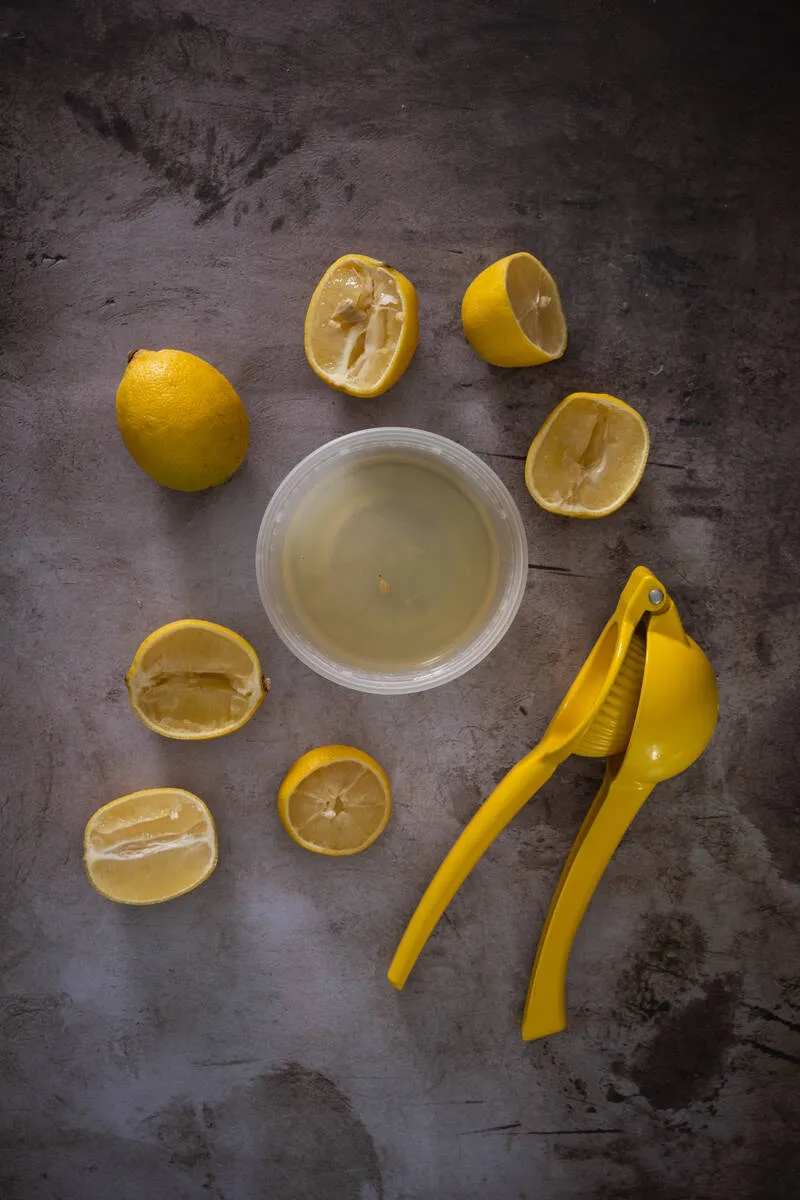
Slice lemons lengthwise. Juice them and set aside 6 tablespoons of lemon juice.
Scoop out all pulp from lemon halves. Place cut-side up in a cupcake tin for stability.
Make the Posset
Combine cream and sugar in a saucepan. Heat over medium-high, stirring continuously until boiling. Simmer for 2 minutes.
Remove from heat. Add lemon juice and vanilla extract. Stir gently. Cool for 15 minutes.
Set and Chill
Pour cooled mixture into prepared lemon halves. Refrigerate for a minimum of 4 hours or overnight.
Brulee and Serve
Sprinkle 1-2 teaspoons of sugar evenly over each posset.
Use a kitchen torch to caramelize the sugar until golden and crackling.
Refrigerate 10-15 minutes to set the brulee crust, then serve.
Date Night Tips
Wine Pairing
A late-harvest Riesling or Sauternes for a luxurious pairing
Music
Soft French café music, Carla Bruni or Madeleine Peyroux
Plating
Serve in clear glass ramekins with a fresh raspberry on top for a pop of color
Enjoy your meal!
The Official Recipe
Lemon Posset Brulee (No-Bake Dessert)
Nutrition(Per serving)
325 kcal
Calories
22g
Fat
32g
Carbs
2g
Protein
Ingredients
Lemon Posset Brulee
Instructions
Prepare the Lemons
Slice lemons lengthwise. Juice them and set aside 6 tablespoons of lemon juice.
Scoop out all pulp from lemon halves. Place cut-side up in a cupcake tin for stability.
Make the Posset
Combine cream and sugar in a saucepan. Heat over medium-high, stirring continuously until boiling. Simmer for 2 minutes.
Remove from heat. Add lemon juice and vanilla extract. Stir gently. Cool for 15 minutes.
Set and Chill
Pour cooled mixture into prepared lemon halves. Refrigerate for a minimum of 4 hours or overnight.
Brulee and Serve
Sprinkle 1-2 teaspoons of sugar evenly over each posset.
Use a kitchen torch to caramelize the sugar until golden and crackling.
Refrigerate 10-15 minutes to set the brulee crust, then serve.
Victor Vu
Victor is a Montreal home cook with a decade of experience developing date night recipes. Every dish is tested at least three times before publishing.
About the author →Frequently Asked Questions
What is the difference between a posset and a panna cotta?
A posset sets through acid chemistry: lemon juice causes the proteins in hot cream to bond, creating a firm custard without gelatin or eggs. Panna cotta requires gelatin to set and has a wobblier, lighter texture. Posset is denser, silkier, and needs only three ingredients compared to panna cotta's four or five.
Can I make lemon posset without the brulee topping?
Chilled posset with fresh berries or crumbled shortbread is still a very good dessert. The brulee crust, though, is what takes it from pleasant to genuinely impressive. That sugar crackle under the spoon is a small theatrical moment that costs two extra minutes and changes the whole experience.
Why did my posset not set properly?
Insufficient lemon juice is the most common cause. Measure a full 6 tablespoons and do not approximate. The cream also needs a rolling boil and two solid minutes of simmering before the juice goes in. If you used light cream instead of heavy whipping cream, that is the problem: posset needs high fat content to set.
Can I use ramekins instead of lemon shells?
Ramekins, espresso cups, or small glass tumblers all work perfectly and the brulee step is identical. The lemon shell presentation, however, is the kind of effortless move that makes people assume you have done this a hundred times. It costs nothing extra and reads as intentional.
How far in advance can I prepare lemon posset brulee?
The posset base keeps beautifully in the fridge for up to two days and actually firms up better overnight. The brulee crust, however, is strictly last-minute. Torch within 30 minutes of serving; any longer and the cream's moisture dissolves the crackle. Do the base Tuesday, torch on date night.
Do I need a kitchen torch for the brulee crust?
A kitchen torch gives the cleanest results, but a screaming-hot broiler works too. Place possets on the top rack for one to two minutes, watching the entire time without looking away. Rotate halfway if your broiler runs uneven. Both methods produce that amber, crackling sugar crust.
You might also like
Continue your culinary journey
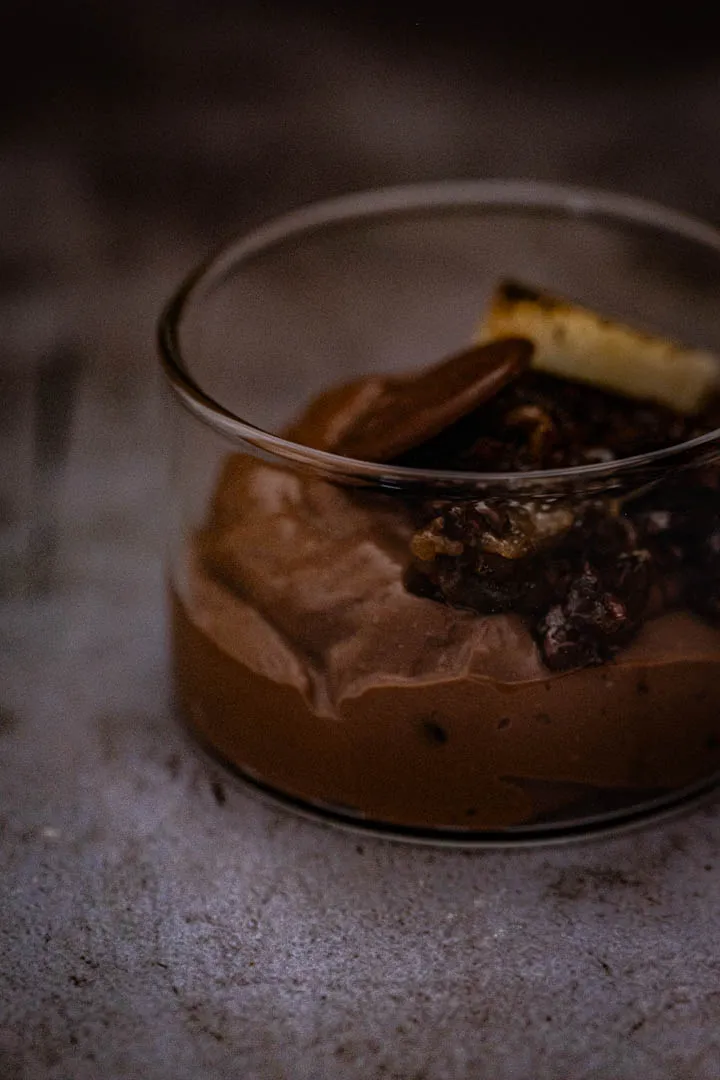
Chocolate Tofu Pudding Recipe
Silky chocolate tofu pudding topped with crunchy candied cacao nibs and banana. Rich, make-ahead, vegan-friendly, and impressive enough for date night.
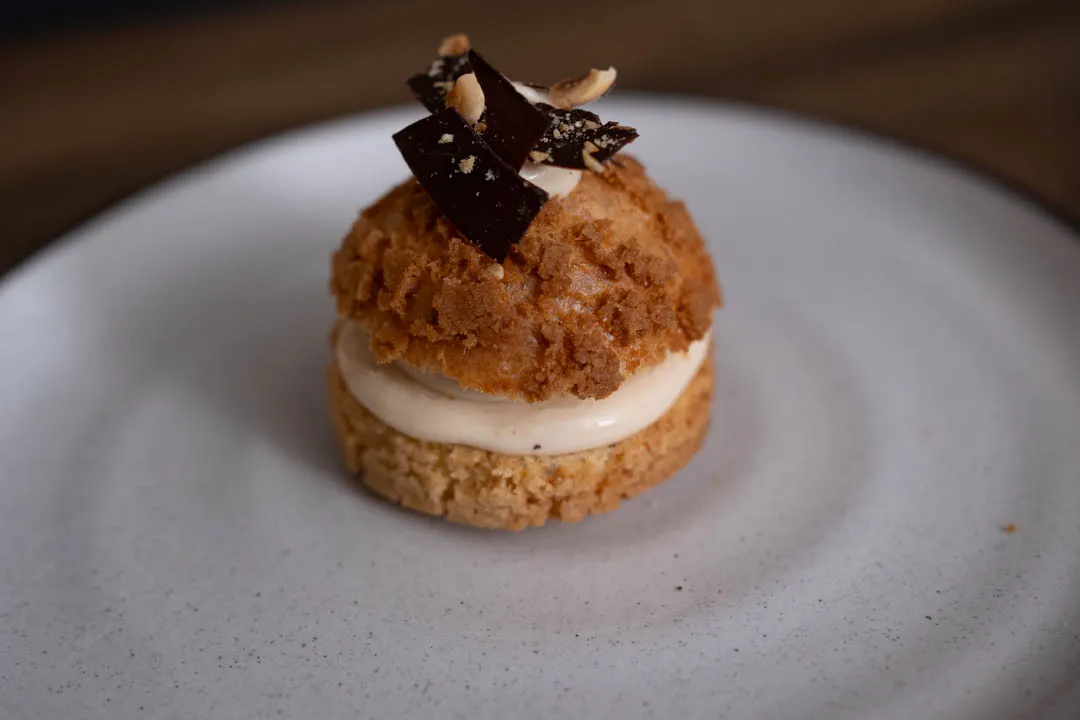
Pâte à Choux (Foolproof Recipe)
Light, crisp choux pastry that puffs into hollow shells for cream puffs, eclairs, or cheesy gougeres. One dough, endless possibilities.