Cooking Oils Guide for Date Night
The right oil can make or break a date night meal. Learn how to choose, use, and store cooking oils so nothing burns and everything you cook impresses.

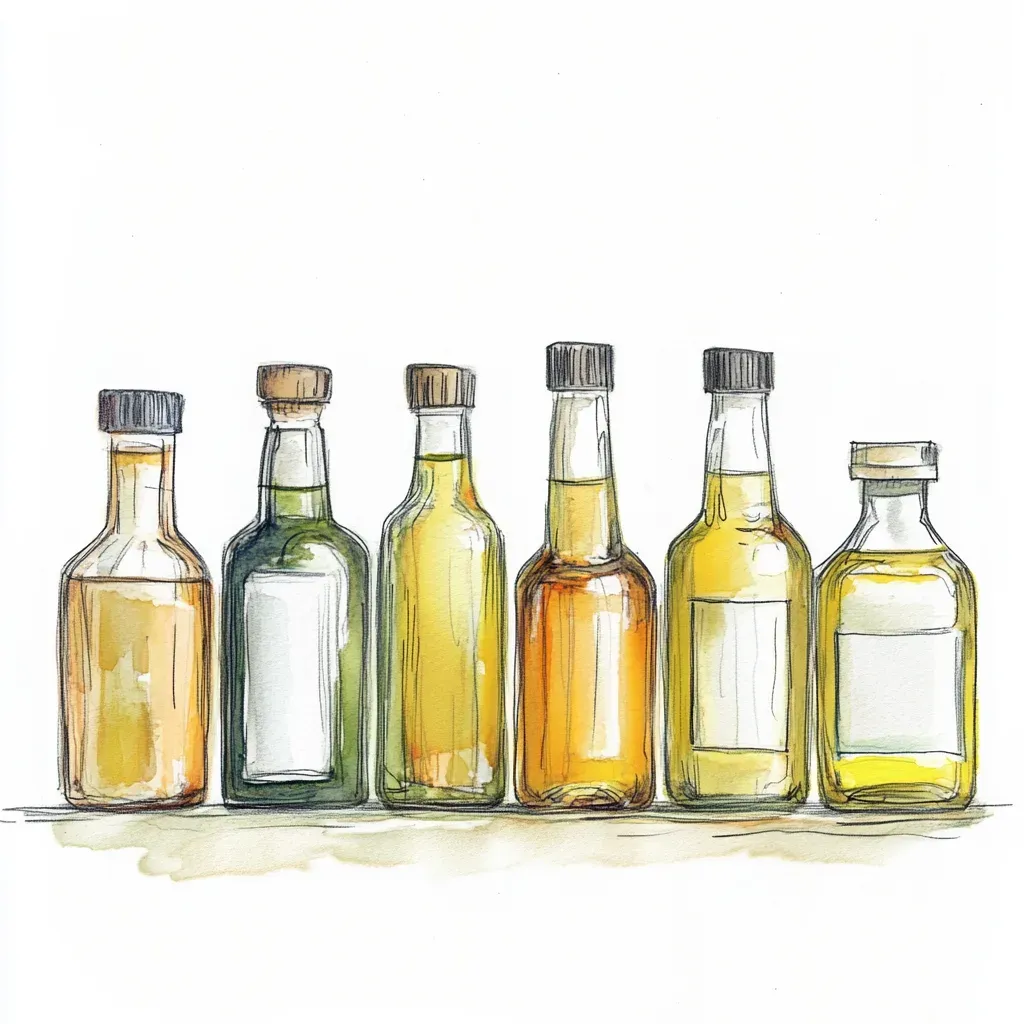
Oil is probably the ingredient you think about least and the one that affects your cooking most. Pick the wrong oil at the wrong temperature and your kitchen fills with acrid smoke before the first course hits the plate. Pick the right one at the right moment and a sear gets its crust, a salad finds its backbone, a finished dish carries a quality your date will notice without knowing exactly why.
This guide covers everything a home cook needs to know about cooking oils: what smoke points actually mean in practice, which oils belong at which temperatures, and how to store them so they stay good. If you walk away with two or three bottles and the confidence to reach for the right one, you’re set.
Why oil choice matters
For a home cook trying to impress, oil choices are a quiet signal. They reveal whether you understand why things work or whether you’ve been winging it since your first apartment. Nobody grades you on it explicitly, but the results speak for themselves. Burning EVOO into bitterness on a screaming-hot pan is hard to hide, and it affects everything that comes after. A perfectly seared protein with a clean, high-heat oil and a finishing drizzle of quality olive oil at the table, on the other hand, communicates real intention.
The difference between a good home-cooked meal and a genuinely impressive one often comes down to these small decisions. Oil is one of the easiest to get right once you understand the logic behind it.
Understanding smoke points
Every oil has a smoke point: the temperature at which it stops behaving and starts producing visible, bitter-smelling smoke. Past that threshold, the oil develops a sharp acidity that no sauce can save. The flavor compounds that made it good in the first place break down into things you’d rather not eat.
Here’s the practical breakdown. High-heat cooking (searing proteins, stir-frying, deep-frying) happens above 400°F / 200°C. Medium-heat cooking (sauteing vegetables, roasting, building pan sauces) sits around 300 to 375°F / 150 to 190°C. Finishing oil goes on cold at the end, with no heat involved at all. Match the oil to the method, and the whole meal stays on track.
The most common mistake in home kitchens is using extra virgin olive oil for everything because it’s the most visible bottle on the counter. EVOO is extraordinary at medium heat and genuinely brilliant cold. At 450°F, it burns, smokes, and loses every quality that made it worth buying. Understanding that one fact alone saves a lot of meals.
Neutral high-heat oils
For searing steaks, stir-frying at full blast, or deep-frying, you need an oil that tolerates serious heat without complaining or adding flavor you didn’t ask for.
Refined avocado oil has a smoke point around 520°F / 270°C, which is higher than almost anything you’ll do in a home kitchen. The flavor is nearly neutral, making it the closest thing to a universal high-heat option. This is the one I reach for most often. It handles searing, roasting, and even baking without asserting itself.
Refined peanut oil sits at around 450°F / 230°C and brings a faint nuttiness that works well in stir-fries and deep-frying. It’s the traditional choice for wok cooking across much of East and Southeast Asia. If you’ve had genuinely good fried rice at a restaurant, peanut oil was probably involved. Note that highly refined peanut oil has the allergenic proteins removed, but always flag it if cooking for guests.
Ghee (clarified butter) also hits 450°F / 230°C and delivers a rich, nutty warmth that regular butter can’t achieve at high heat. For a pan sauce after searing a steak, ghee is hard to beat. It adds depth without the risk of burning that whole butter carries. If you want the full picture on making and using both, our clarified butter and ghee guide has you covered.
Grapeseed oil comes in at around 420°F / 215°C with a clean, neutral taste. Solid for searing fish or anything delicate where you don’t want the oil to assert itself. It’s also the go-to for making aioli and other emulsions where you need a flavor-neutral base.
Flavorful medium-heat oils
These oils shine between 300 and 375°F / 150 to 190°C. They bring real character to the dish, which means you want them when their flavor is welcome and should skip them when it isn’t.
Extra virgin olive oil is the workhorse of this category. A mid-range EVOO handles sauteing vegetables, roasting at 375°F, and building pan sauces without drama. Look for a harvest date within 18 months, a dark glass bottle, and expect to spend $15 to $25. Don’t overthink it for cooking. The finishing bottle is a different conversation (more on that below).
Coconut oil (unrefined) has a smoke point around 350°F / 175°C and adds a distinct tropical sweetness. It works well in curries, Southeast Asian dishes, and some baking applications. For savory cooking where you don’t want that coconut flavor, use refined coconut oil instead, which has a higher smoke point (around 400°F) and a neutral taste.
Regular butter (not clarified) sits at a modest 300°F / 150°C. It browns beautifully in that window, giving you beurre noisette for finishing vegetables or enriching sauces. Push it past that and it burns fast. When a recipe calls for butter at higher heat, that’s your cue to reach for ghee.
Finishing oils
Finishing oils go on after cooking. They’re about flavor, not heat tolerance, and a few drops of the right one can shift a dish from good to genuinely memorable.
Quality extra virgin olive oil is the most versatile finisher. A good one has real complexity: grassy, peppery, sometimes a little fruity. You taste it drizzled on bread, on finished pasta, on sliced tomatoes with flaky salt. This is the bottle that sits on the table. A great finishing EVOO costs $25 to $40 but lasts because you use it in small amounts. For dishes like our Cacio e Pepe, that final drizzle is the move that separates good from memorable. The pasta works either way. The oil is the signature.
Toasted sesame oil lives in its own category. Dark, intensely nutty, with a flavor profile that belongs almost exclusively to East Asian cooking. A few drops finish a stir-fry or noodle dish in a way nothing else does. Don’t heat it at high temperatures. Don’t use too much. It’s powerful and wants to be used sparingly. It’s what makes the finish of a dish like our Gochujang Kimchi Seafood Bucatini feel complete rather than just cooked.
Walnut and hazelnut oils are worth trying if you make salad dressings often. Both are delicate, genuinely sophisticated, and the kind of detail that signals intention. They’re also fragile: store them in the fridge, because nut oils go rancid faster than most.
Truffle oil (the real stuff, not synthetic) adds an earthy depth to eggs, risotto, or finished fries. A tiny amount goes a long way. Most grocery store truffle oil is synthetic flavoring in olive oil, so look for bottles that list actual truffle as an ingredient.
Cooking method guide
Different cooking methods demand different oils. Here’s how to match them.
Searing and stir-frying (400°F+ / 200°C+): Refined avocado oil is the safest all-purpose pick. Peanut oil for wok work. Ghee when you want richness in the sear itself.
Sauteing and roasting (300 to 375°F / 150 to 190°C): Extra virgin olive oil handles this beautifully. Coconut oil for dishes that welcome its flavor. Butter for lower-temperature sauteing and basting.
Deep-frying (350 to 375°F / 175 to 190°C): Peanut oil is the classic. Refined avocado oil works too. Avoid olive oil, which smokes and imparts bitterness at frying temperatures.
Dressings and marinades (no heat): Quality EVOO, nut oils, toasted sesame oil. This is where you use the good bottles.
Finishing (post-cooking): Premium EVOO drizzled on pasta, toasted sesame oil on noodles, a nut oil on salads. The oil goes on last and tastes like itself.
How to buy oils that are actually good
For olive oil, four things signal quality: a dark glass bottle (protects from light oxidation), a harvest date rather than just a best-by date, single-origin labeling, and a price that reflects real production. Supermarket EVOO at $6 is usually blended, old, and stored poorly before it reaches you. A $15 to $25 bottle from a reputable producer covers cooking. A $25 to $40 bottle covers finishing.
For avocado oil, the market has a fraud problem. Studies have shown that a significant percentage of avocado oil on shelves is adulterated or mislabeled. Buy from brands that do third-party testing and list the source country clearly.
For any oil: once opened, most last 6 to 12 months before quality drops. Rancid oil smells like crayons, old nuts, or something faintly chemical. When you’re not sure, smell it. If it’s off, replace it. Cooking with rancid oil won’t put you in danger, but it will make your food taste like something’s wrong without being identifiable.
Storing oils properly
Store all oils away from the stove. Heat and light accelerate oxidation, and that decorative shelf next to the burner is the worst spot in the kitchen. A cool, dark cabinet is the right call.
Keep nut oils and toasted sesame oil in the fridge after opening. Their delicate compounds break down faster than those of olive or avocado oil. They may solidify slightly in the cold; that’s normal and they’ll return to liquid at room temperature in minutes.
Buying too large a bottle is also worth reconsidering. A 3-liter jug of olive oil seems like good value until it goes rancid at month eight. Smaller bottles, used faster, produce better food. If you cook infrequently, label bottles with the date you opened them. You’ll thank yourself later.
Common mistakes to avoid
Using olive oil for high-heat searing is the most widespread problem in home kitchens. The smoke, the bitterness, the way it lingers in the finished dish: all of that is avoidable with a different bottle. Keep a high-heat neutral oil and a quality EVOO. Those two cover most meals.
Heating finishing oils defeats their purpose. Toasted sesame oil, nut oils, and premium EVOO lose the very flavor compounds you paid for when exposed to high heat. Add them after cooking, always.
Not tasting your oil before using it is another missed step. A quick dab on your wrist or a piece of bread tells you whether the flavor is clean and whether it complements what you’re making. This takes three seconds and occasionally saves an entire dish.
The date night angle
Here’s what I’ve noticed: a thoughtfully chosen finishing oil on the table registers with guests even when they can’t name what they’re responding to. It’s the same principle as good lighting or well-chosen music. The detail contributes without announcing itself.
Set out two or three organized bottles: one high-heat option tucked near the stove, one quality EVOO in view, a specialty oil if you have one. It reads as intentional rather than whatever-I-grabbed.
When you’re searing protein and reach for avocado oil while explaining the smoke point reason, that’s a small piece of cooking confidence that comes through clearly. When you drizzle finishing EVOO on a plate from a specific region or harvest, that detail turns dinner into something worth talking about.
Before you start cooking, put out good bread and the finishing oil for your date to try. A quality EVOO has enough going on that the reaction will be immediate, and you’ll have something to talk about before the first course even starts.
For a dish like the Beef Ragu Pappardelle, a final turn of good olive oil right before serving adds a brightness that cuts through the richness. It’s one move. It takes three seconds. It’s the kind of thing you notice when it’s there and miss when it isn’t.
What to actually buy
Start with two bottles: refined avocado oil for all high-heat cooking, and a mid-range extra virgin olive oil for everything else. That covers 80% of what you’ll cook.
From there, toasted sesame oil is worth adding if you cook anything with Asian flavors. Ghee is worth it if you sear proteins often and want that richness. A premium finishing EVOO is worth the extra spend once you start finishing dishes on purpose.
The goal isn’t an impressive oil collection. It’s knowing which bottle to reach for and why, with enough confidence that the choice feels natural. That’s the part that actually comes through.
Related Recipes
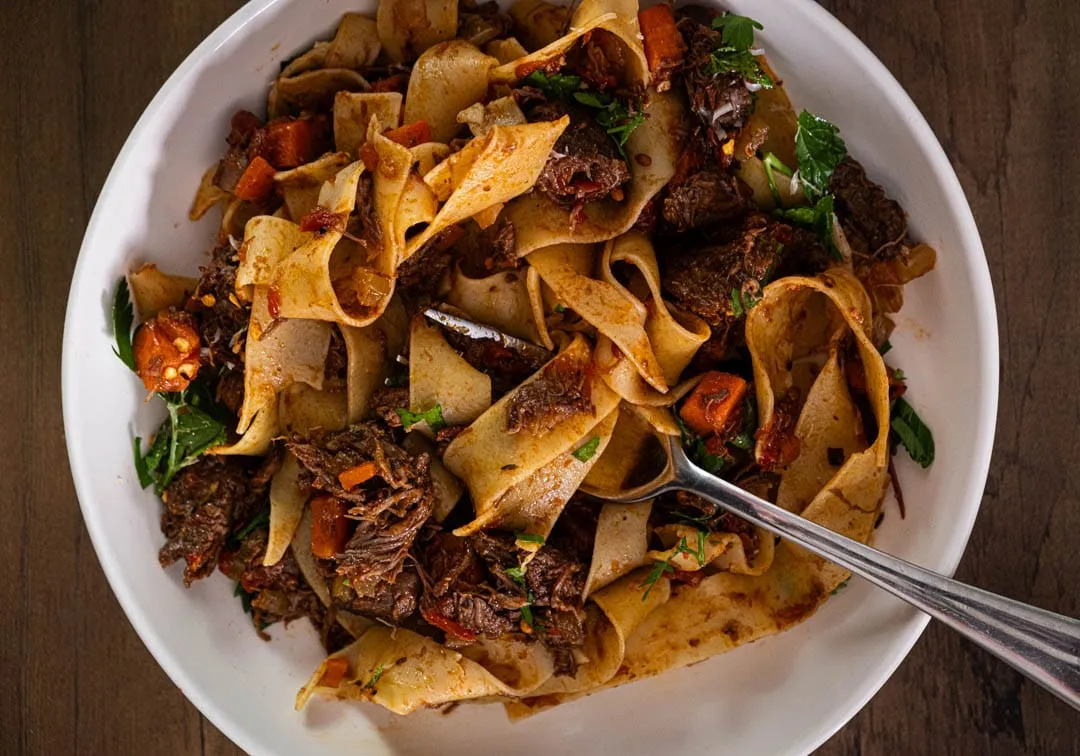
Slow-Cooked Beef Ragu with Pappardelle Pasta
The slow-cooked ragu that says 'I've been thinking about you all day.' Chuck roast, red wine, and pappardelle worth every minute.
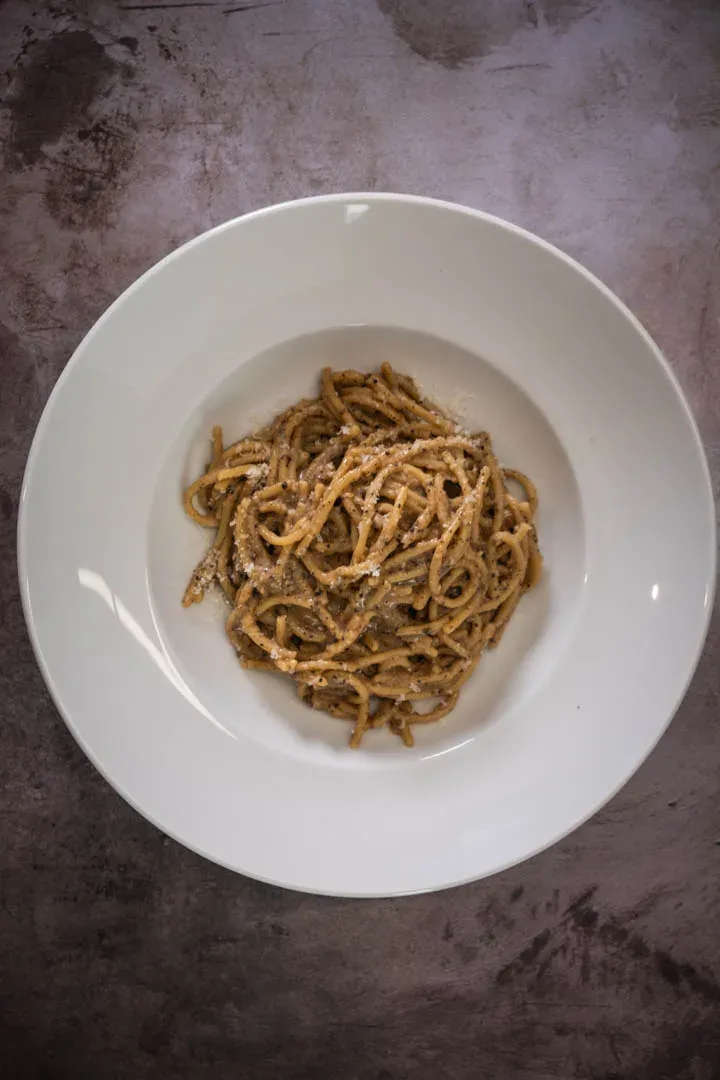
Authentic Cacio e Pepe Recipe
Five ingredients. Zero cream. The Roman pasta that makes your date put their phone down mid-bite. Cheese, pepper, and pure confidence.
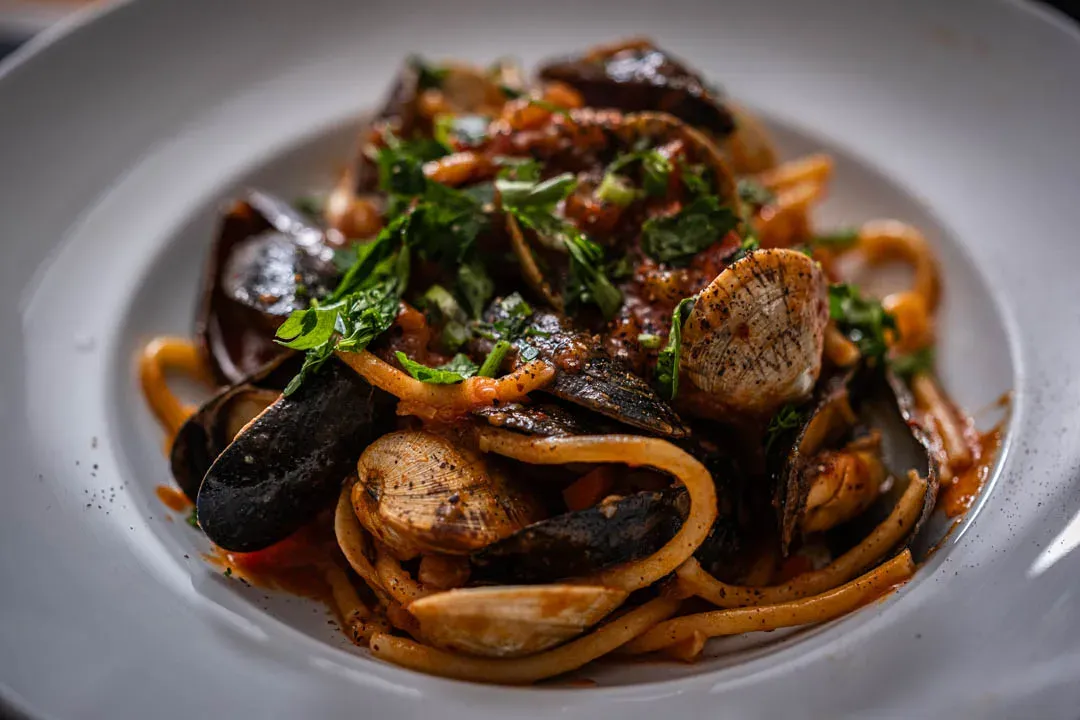
Spicy Gochujang-Kimchi Seafood Bucatini
Gochujang, kimchi, and three kinds of seafood on bucatini. Spicy, funky, and the kind of bold you cook when you're trying to impress.
Victor Vu
Victor is a Montreal home cook with a decade of experience developing date night recipes. Every dish is tested at least three times before publishing.
About the author →Frequently Asked Questions
Can I reuse frying oil?
Yes, with some care. Strain it through a fine-mesh sieve lined with a paper towel to remove food particles, then store in a sealed container in a cool, dark spot. Use it within two to three weeks and for the same type of food (fish oil stays fish oil). Don't mix oils, and if it smells off or looks cloudy, toss it. Rancid or contaminated frying oil is not worth the dish.
Is expensive olive oil actually worth it?
For finishing and cold applications, absolutely. A quality extra virgin olive oil on finished pasta, crusty bread, or a simple salad has genuine complexity: grassy, peppery, sometimes fruity. You taste the difference and so will your date. For cooking at medium heat, a mid-range bottle in the $15-25 range does the job well. Save the premium bottle for the final drizzle.
How do I know if my oil has gone bad?
Smell it. Rancid oil has a distinct off-note: like crayons, old nuts, or a faintly chemical mustiness. If you've been wondering for a while, it's probably past its peak. Most oils last 6 to 12 months after opening. The fix is simple: buy smaller bottles if you cook infrequently, and label them with the date you opened them.
Do I really need multiple oils?
Two gets you through most things: a high-heat neutral oil (refined avocado oil is the easiest all-purpose choice) and a decent extra virgin olive oil. Add toasted sesame oil if you cook Asian dishes, and ghee if you sear proteins often and want that extra depth. Beyond that, you're building a collection, not covering a need.