Sous Vide Cooking for Date Night
Sous vide steak for date night. Step-by-step guide to restaurant-quality meat at home. Precise, foolproof, and genuinely impressive without the stress.

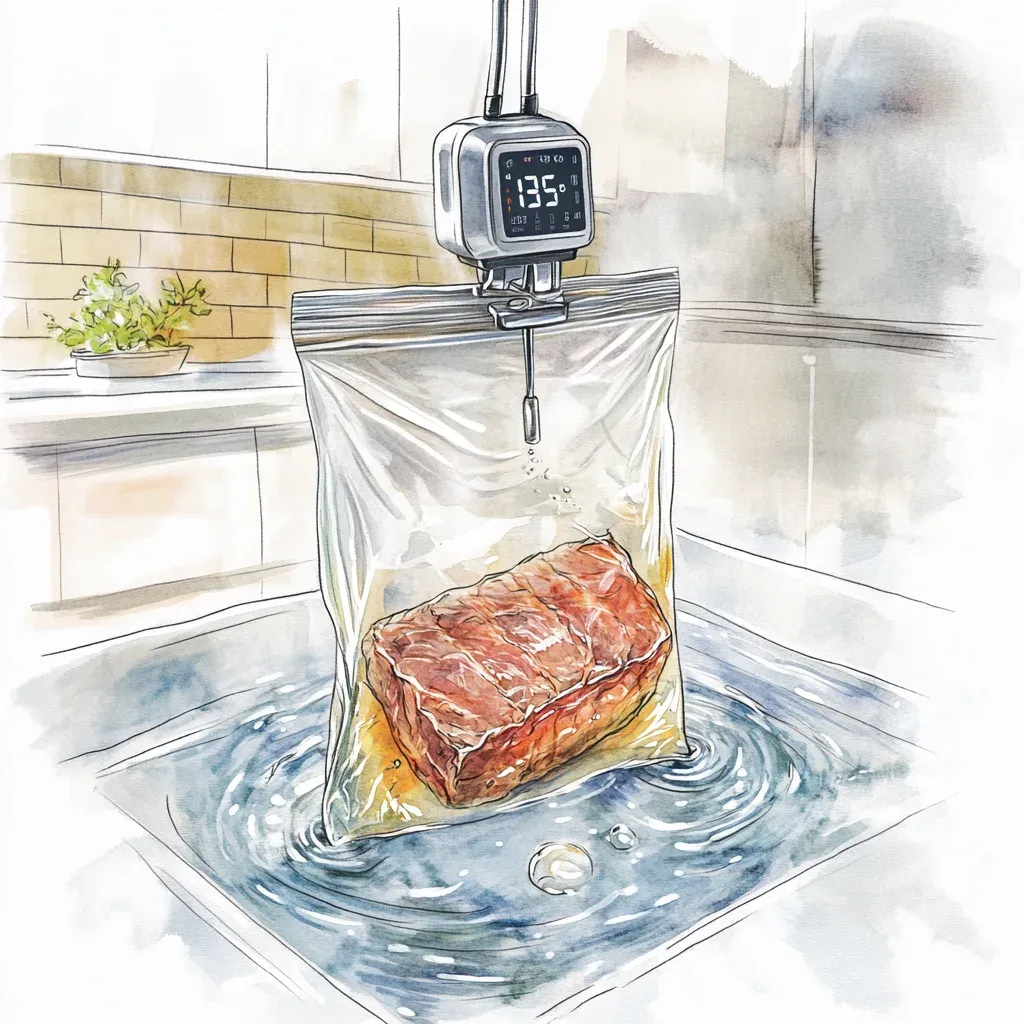
Sous vide cooking delivers consistently perfect results by holding food at a precise temperature in a water bath. You season your protein, seal it in a bag, set the temperature, and walk away. The water bath does the rest. No guesswork, no hovering over the stove, no anxiety about overcooking a $40 steak while your date is sitting in the next room.
This guide covers everything you need to cook your first sous vide meal with confidence: the equipment, the key temperatures, the process, the mistakes to avoid, and a complete timeline for pulling off a steak dinner without breaking a sweat.
What sous vide actually is
Sous vide means “under vacuum” in French. The technique is simpler than the name suggests. You seal food in a bag, submerge it in a water bath, and an immersion circulator holds the water at the exact temperature you choose. The food cooks slowly and evenly until it reaches that temperature all the way through. Then you pull it out, dry it off, and give it a quick sear for colour and crust.
The circulator clips onto any large pot or container and keeps the water within a fraction of a degree of your target. A steak set to 130°F will be 130°F edge to edge, whether you pull it at two hours or four. The food physically cannot overcook because the water never exceeds the temperature you set. You have removed the variable that causes most cooking failures: heat that keeps climbing while you are not paying attention.
Why it is perfect for date night
The hardest part of cooking for someone is not the cooking itself. It is the timing. You want to be at the door with a glass of wine when they arrive, not doing mental math about whether the chicken is done.
Sous vide separates the cooking from the serving. You can start a steak at 4:00 PM, leave the kitchen entirely, and finish with a two-minute sear whenever you are ready to eat. The protein holds at temperature without degrading. There is no narrow window where it tips from perfect to overcooked, because the window is as wide as you make it.
That timing flexibility changes the entire dynamic of the evening. You can prepare everything in advance, clean the kitchen, set the table, and be fully present when your date walks in. No last-minute scrambling. No sweat. Just you, relaxed and in control, pulling off a restaurant-quality plate like it was nothing.
And here is the confidence factor that really matters: when you know the protein is already cooked to exactly the right temperature, you stop worrying about the most stressful part of the meal. All that is left is a 60-second sear and plating. The anxiety disappears, and what your date sees is someone who looks like they have done this a hundred times.
What you need to get started
An immersion circulator is the one piece of equipment you actually need. Anova and Joule are the two reliable brands, both in the $100 to $200 range. If you are buying your first one, our Anova vs Joule comparison breaks down which is worth the money for home cooks. The circulator heats the water and keeps it at your target temperature. Everything else on this list you probably already own.
Any large pot works as the water bath. A dedicated container with a lid is nicer for long cooks because it reduces evaporation, but a stock pot handles anything under four hours without trouble.
For bags, standard ziplock freezer bags work for nearly everything. Use the water displacement method to get the air out: lower the open bag slowly into the water and let the pressure push the air up and out before you seal it. Low-tech, effective, free. A vacuum sealer becomes worth owning eventually for longer cooks and better storage, but it is not a starter requirement.
For the finishing sear, a cast iron skillet is your best tool. You want it genuinely, uncomfortably hot. A kitchen torch is a nice addition for touch-ups and scallops, but the skillet does the heavy lifting for steaks and chicken.
Temperatures and timing
These are the numbers worth knowing. Sous vide is all about precision, so the temperatures here are the ones that actually matter for a date night dinner.
Steak: 129 to 134°F for medium-rare, 1 to 4 hours. This is the range most restaurants target. Edge-to-edge pink, no grey band, no guessing.
Chicken breast: 140 to 145°F for 1.5 to 4 hours. Juicy in a way that stovetop chicken almost never is. Not rubbery, not dry.
Salmon: 125°F for 30 to 40 minutes. The texture is silky and slightly translucent at the center, which sounds alarming but is both safe and genuinely the best salmon you will have made.
Eggs: 167°F for 13 minutes for a jammy soft egg. Useful as a side or garnish.
Scallops: 120°F for 30 minutes. Sweet, tender, almost creamy. Pair them with a cold white wine and you are done.
The basic process goes like this: season the protein with salt, pepper, and a few aromatics. A crushed garlic clove, a sprig of thyme, a knob of butter if you are feeling generous. Go lighter than you normally would, because flavours concentrate inside a sealed bag and overseasoning is the most common beginner mistake. Bag it, displace the air, drop it in the bath, and walk away. When the timer goes, pull the protein out, pat it completely dry (every bit of moisture left on the surface will steam instead of sear), get your cast iron screaming hot, and sear 30 to 60 seconds per side. Serve immediately.
The active work is under five minutes. The rest is hands-off.
Common mistakes to avoid
Skipping the sear is the big one. Sous vide produces perfectly cooked protein, but it comes out of the bag looking pale and unappetizing. The Maillard reaction, the browning that creates the flavour and texture contrast you actually want, only happens with high direct heat. Always finish with a sear. It takes 60 seconds and it makes the difference between impressive and underwhelming.
Overseasoning is the second trap. A garlic clove that would disappear into a pan sauce becomes aggressive inside a sealed bag. Half of what you would normally use is usually the right call. The same goes for fresh herbs: one sprig, not a bouquet.
Using the wrong bag seal is the third. If air stays trapped in the bag, the food floats and cooks unevenly. The water displacement method handles this for cooks under four hours. For longer cooks, a vacuum sealer gives you a better seal and peace of mind.
All three mistakes are easy to make once and never again.
Your date night game plan
Here is a complete timeline for a 7:30 PM steak dinner that lets you be present for the entire evening:
- 4:00 PM: Season steaks, bag them, start the sous vide bath at 130°F
- 4:15 PM: Steaks are in the water. Clean up the kitchen, set the table
- 6:00 PM: Date arrives. Pour drinks, set out something to snack on
- 7:00 PM: Start any sides (salad, roasted vegetables, whatever you like)
- 7:25 PM: Pull steaks from the bath, pat them completely dry
- 7:28 PM: Sear in screaming-hot cast iron, 60 seconds per side
- 7:30 PM: Plate and serve
You were present and relaxed for the entire evening. The cooking managed itself and you got the credit anyway.
For your first sous vide project, salmon at 125°F for 35 minutes is the best place to start. The texture is genuinely different from any other method: silky, barely set, rich. It pairs well with the bright, fresh flavours in our Quinoa-Crusted Salmon. For the full impression play, a ribeye at 130°F for two hours gives you edge-to-edge pink, a proper sear crust, and a texture that costs significantly more at a restaurant. And for braised meat that applies the same low-and-slow patience, our Pork Osso Buco rewards controlled heat with fall-apart tenderness that sous vide fans will appreciate.
Scallops at 120°F for 30 minutes are the most romantic option on this list. Effortless, tender, and impressive in a way that seems completely out of proportion to the work involved.
The confidence factor
The real value of sous vide for date night is not the precision or the fancy equipment. It is the confidence. Knowing that the protein is already cooked to exactly the right temperature eliminates the single biggest source of kitchen anxiety. You are not guessing, not poking, not cutting into your steak to check. You know.
That confidence shows. You move through the kitchen calmly. You plate without rushing. You sit down and actually enjoy the meal instead of worrying about whether you nailed the doneness.
The technique rewards planning over instinct. You decide in advance exactly what you want, set it in motion, and step away. By the time your date arrives, the hardest part is already done.
Not sure which cut to buy or how to prep it before it goes in the bag? The perfect steak date night guide covers cut selection, resting times, and what to look for at the butcher counter.
Related Recipes
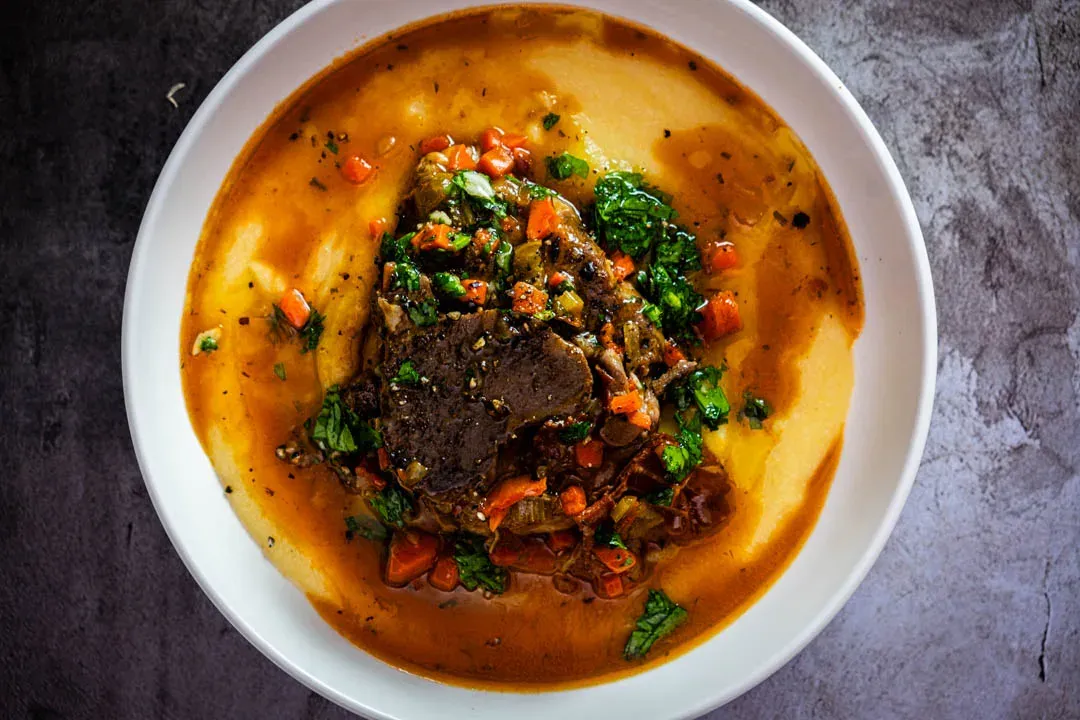
Pork Osso Buco with Creamy Polenta
Fall-apart pork shanks, white wine, creamy polenta, bright gremolata. The kind of dinner that turns a Tuesday into something worth talking about.
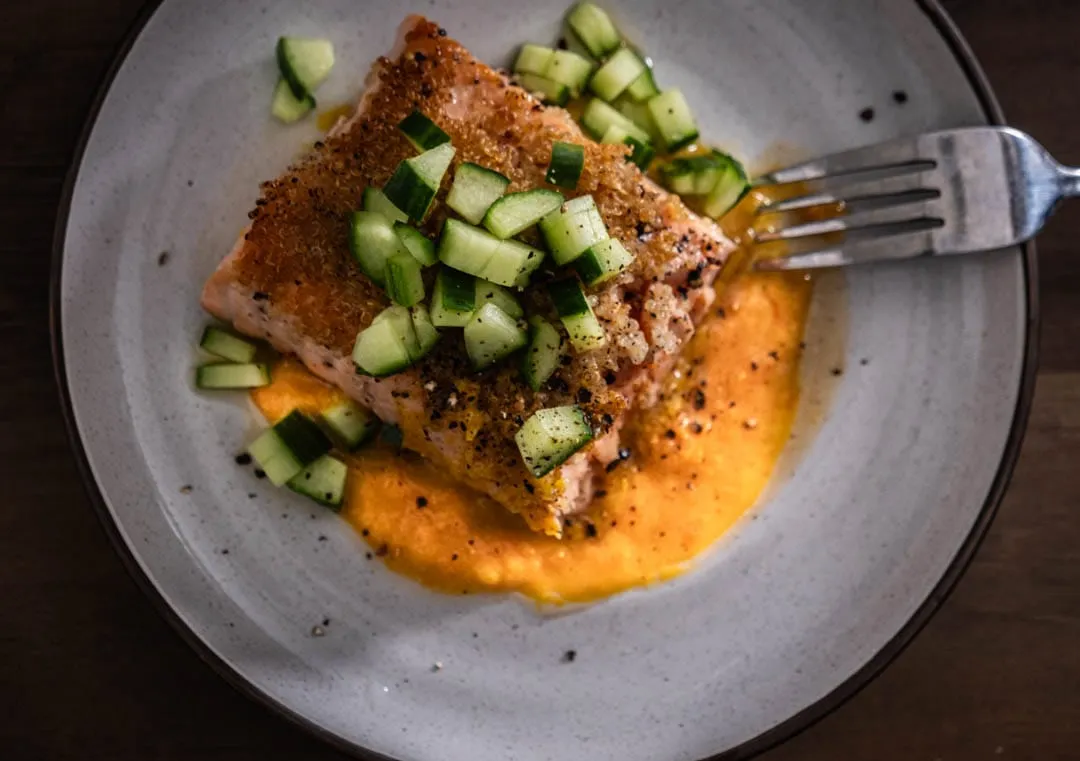
Quinoa-Crusted Salmon, Miso Sauce
The quinoa crust shatters like tempura, the Nikkei miso glaze sticks to every flake, and it takes 40 minutes. A recipe worth making for a date night.
Victor Vu
Victor is a Montreal home cook with a decade of experience developing date night recipes. Every dish is tested at least three times before publishing.
About the author →Frequently Asked Questions
Is sous vide cooking safe at lower temperatures?
Sous vide cooking is safe because pasteurization works through time, not just temperature. A steak held at 130°F for two hours is just as safe as one blasted past 160°F. The science on this is well-documented by the USDA. The only rule is respecting the minimum time for your chosen protein and temperature.
Can I cook frozen protein directly in a sous vide bath?
Yes. Drop it in frozen and add 30 to 60 minutes to your normal cook time. Season before you freeze, bag it, and when date night rolls around you go straight from freezer to water bath. Zero overnight planning required, which is the kind of adulting that actually works.
Do I need a vacuum sealer to get started with sous vide?
A ziplock freezer bag and the water displacement method handle anything cooked under four hours. Slowly lower the open bag into the water and let pressure push the air out before sealing. A vacuum sealer earns its counter space later for longer cooks and marinating, but it is not a starter requirement.
What if I do not own a kitchen torch for the finishing sear?
A cast iron pan is actually better than a torch for most cuts. Get it screaming hot, add a thin layer of high smoke-point oil, and sear 30 to 60 seconds per side. The non-negotiable step: pat the protein completely dry first. Wet protein steams instead of browning. Paper towels are your best friend here.