Why Not Well-Done Steak on a Date
Ordering well-done is burning your money and maybe your second date. Learn the science of steak doneness and what to order to impress instead.

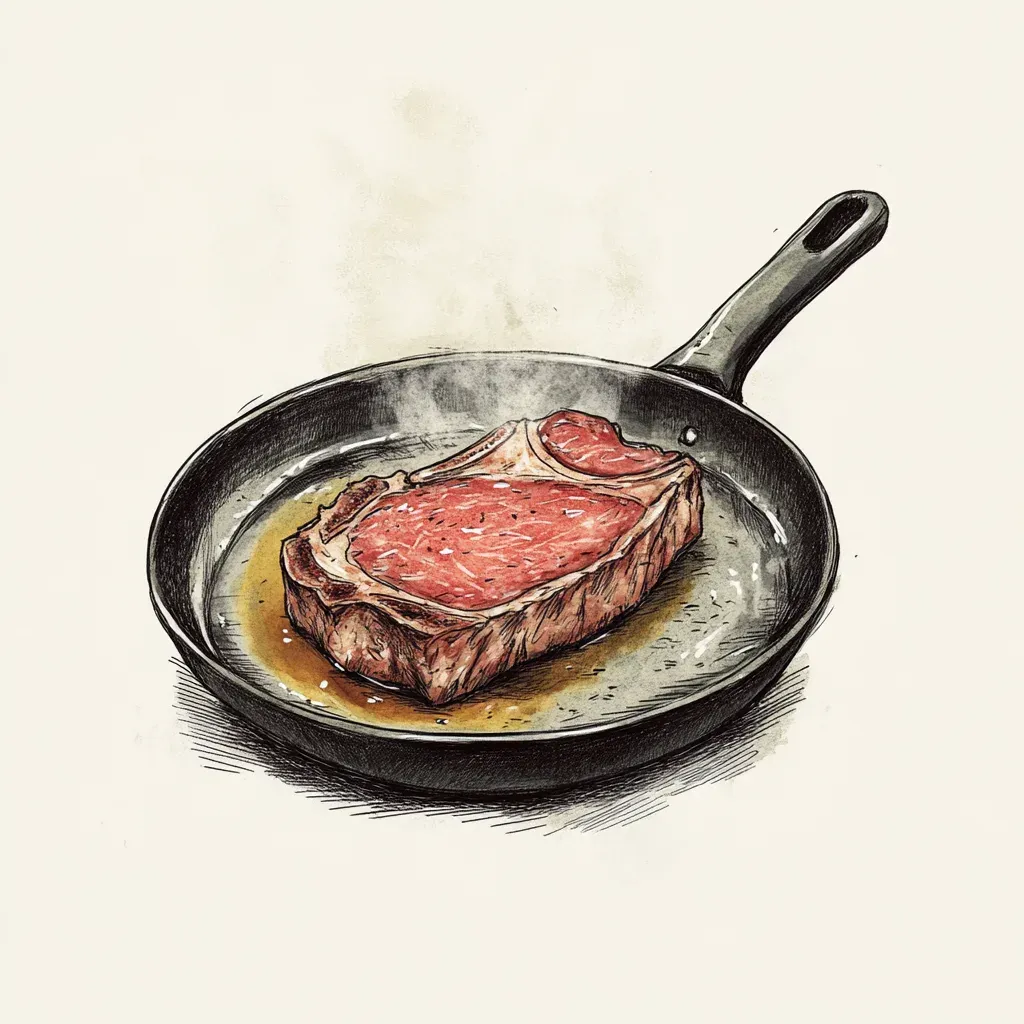
When you sit down at a nice steakhouse on a date, your steak order communicates more than just how you like your food cooked. It says something about how you engage with the experience, how you spend your money, and whether you trust the kitchen that is about to feed you. Understanding steak doneness helps you make better choices and actually appreciate what you are paying for.
I am not here to shame anyone. But I do think you deserve to know what happens to that $65 ribeye when you send it past 160 degrees. So let me walk you through it.
Why well-done steak has a bad reputation
Cooking a steak to well-done eliminates most of the qualities that make premium beef special in the first place. The marbling, the dry aging, the careful butchering: all of that careful work becomes less noticeable the longer the steak sits on heat. Chefs will tell you, usually with a diplomatic pause, that extended cooking masks the difference between a prime cut and a grocery store one. That is why well-done orders sometimes get lower-grade meat from the kitchen. Not out of spite. The chef knows you will not taste the difference anyway.
That is a hard truth, but it is worth hearing before you spend steakhouse money on something that could have come from anywhere.
What actually happens inside a steak as it cooks
The science here is genuinely fascinating, and understanding the sequence makes the whole doneness conversation click.
At rare to medium-rare (120 to 135 degrees), the intramuscular fat is melting and basting the steak from the inside out. Muscle proteins are relaxed. The Maillard reaction gives the outside a deep brown crust while the interior stays juicy and tender. Think of it like butter melting on warm bread. Everything stays soft and rich. This is where premium beef delivers exactly what you paid for.
By medium to medium-well (140 to 150 degrees), muscle fibers are tightening up and squeezing out moisture as they contract. The fat keeps melting, but the texture gets noticeably firmer. Think of squeezing a wet sponge: some juice escapes, but there is still moisture left. A medium steak still has real flavor, and it makes a perfectly solid entry point if you are transitioning from well-done.
Above 160 degrees, most proteins have squeezed out their moisture completely. The inside turns uniform gray-brown. The fat has either melted away or dried out. Food science writer J. Kenji Lopez-Alt found you lose up to 25 percent of the steak’s moisture compared to medium-rare. Think of wringing out that sponge until there is nothing left. You are paying steakhouse prices for the sensory experience of a grocery store cut. That is not a judgment. It is just what the physics produces.
Let’s clear up some myths
The most common reason people hold the line at well-done is food safety, so let me address that directly. Steak is different from ground beef. Bacteria only live on the surface of whole muscle cuts, so as long as the outside gets a proper high-heat sear, you are good to go. Food safety guidelines suggest 145 degrees (medium) as a safe minimum, but medium-rare has been enjoyed safely for generations across every serious food culture. Ground beef is a different story because grinding distributes surface bacteria throughout the patty. That needs to be cooked all the way through. But if you are ordering a whole steak, the pink is the point.
Then there is the “I just prefer well-done, it’s personal taste” line. I hear you. But many people who say this have never actually tried another temperature. The difference in texture and flavor is so significant that it is worth experimenting at least once before you decide.
And the idea that ordering well-done shows you care about food safety? At any reputable restaurant, the kitchen takes safety seriously regardless of your order. Ordering well-done is about personal preference at that point, not protection. I get why people feel more comfortable with it, but the facts are the facts.
What to order instead
If you are nervous about making the jump from well-done, do not go straight to rare. Baby steps. Here is how I would approach it.
Start with medium. The center is warm and slightly pink, still juicy, cooked enough to feel familiar. It shows you are willing to trust the restaurant, and it is a perfectly respectable order at any table. No one will raise an eyebrow. This is the best starting point for anyone making the switch.
When you are ready, move to medium-rare. This is what most chefs order for themselves. The interior is warm and red, incredibly tender, and you finally taste why people drop serious money on good beef. Order it on a ribeye or a New York strip and you will understand what all the fuss is about.
If you are ever curious about rare: cool red center, maximum tenderness, maximum flavor. It is not for everyone, but it teaches you what the ingredient actually is. Worth trying once with a good cut.
One extra note: for leaner cuts like filet mignon, medium is often the smarter call because the lower fat content means less natural self-basting at lower temperatures. At a steakhouse, ask your server “What do you recommend for this cut?” It demonstrates engagement and curiosity, and the answer is usually genuinely useful.
How to handle this on a date
Your steak order can create subtle dynamics at the table. Ordering something outside your comfort zone shows openness and curiosity, which are attractive qualities in any social situation. At a candlelit dinner, that is not nothing.
Ask the server for their recommendation. It signals you are present and engaged, not just scanning the menu for the safest option. Once you decide, order without a lot of deliberation. Hesitating over something this simple reads as less assured than just picking something and committing to it.
If your date seems curious about doneness, share what you know briefly without turning it into a lecture. If they do not seem interested, skip it and enjoy the steak. Reading the room matters more than being right. And if your date orders well-done? Be open to sharing plates or sampling different preparations, but never make them feel judged. A simple “I’m going medium-rare, but order whatever you love” is genuinely the only correct move.
If you are in Montreal and want a relaxed spot to practice ordering, McKiernan on the Lachine Canal does rotisserie and Quebec comfort in a setting where no one is watching your every move. If you want to get comfortable with beef before the stakes are this high, the beef ragu pappardelle at home is a genuinely low-pressure way to build confidence. For another slow-cooked showstopper that takes the guesswork out of cooking meat, our pork osso buco braises until fork-tender and never asks you to judge doneness by touch. And if precise temperature control is what you are after, our guide to sous vide cooking for date night removes the uncertainty entirely. The perfect steak date night guide is the right read if you want cut selection, sear technique, and temperature targets sorted before you shop.
The bottom line
If you have been ordering well-done your whole life, I am not telling you that you are wrong. I am telling you that there is a version of steak you have never tried that might genuinely surprise you. Visit a reputable steakhouse. Order medium or medium-rare. Pay attention to the texture and flavor. You may discover that your previous preference was based on familiarity rather than actual taste.
Expensive beef is expensive because of what happens before 160 degrees. Ordering well-done at a fine dining steakhouse without knowing what you are giving up is just leaving money on the plate. Try medium next time. If you like it, try medium-rare. And if you try everything and land back at well-done? At least it is a choice you made with your eyes open.
Related Recipes
Victor Vu
Victor is a Montreal home cook with a decade of experience developing date night recipes. Every dish is tested at least three times before publishing.
About the author →Frequently Asked Questions
What if I genuinely can't handle seeing pink in my meat?
Pivot, no apology needed. Order short ribs, roasted chicken, or fish. Those are often the most interesting things on a steakhouse menu anyway, and choosing something with conviction outside the doneness debate reads as confident, not avoidant. Nobody has ever been judged for ordering the braised short rib.
Will the chef judge me for ordering well-done?
No professional kitchen will refuse your order. Will the chef quietly exhale? Maybe. Servers at quality steakhouses will often steer you toward medium because they want you to taste what you're actually paying for. Take it as a tip from someone who sees a hundred steaks a night, not a critique of your character.
What if my date orders well-done?
A quick 'I'm going medium-rare, but order whatever you love' is genuinely the only correct move. This is a date, not a seminar on meat science. People have different comfort levels, and many have never tried anything below well-done. Your job is to be interesting, not annoying. Let it go.
Is caring about steak doneness just food snobbery?
Knowing that a $60 ribeye is a fundamentally different product at medium-rare versus well-done is being an informed consumer, not a snob. The snobbery starts when you make someone feel bad about their plate. Know the science, order with confidence, and keep your opinions about other people's steaks to yourself.